

Ancient Coins
Discover our exceptional collection of ancient coins spanning civilizations from India, Greece, Rome, Egypt, and China. Our curated selection features ancient coins of India with comprehensive charts and images, including rare Mughal, Gupta, and Mauryan specimens. Browse through detailed ancient coins images with names showcasing gold, silver, and copper pieces from different historical periods. Whether you’re seeking ancient Greek coins, ancient Roman coins, or old ancient Indian coins, our collection caters to serious numismatists and history enthusiasts alike. Each coin comes with verified authenticity, historical context, and clear pricing. From ancient gold coins of India to rare Egyptian and Chinese specimens, explore pictures of ancient coins that tell stories of empires, trade routes, and cultural heritage spanning thousands of years.
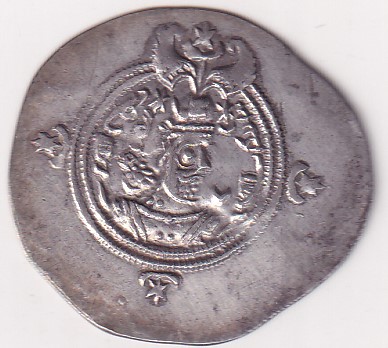
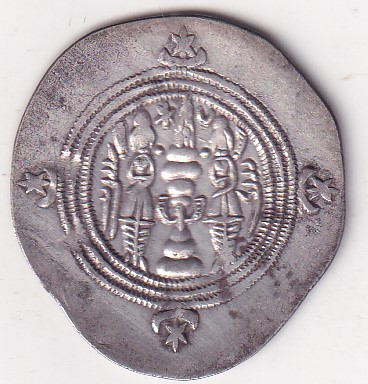
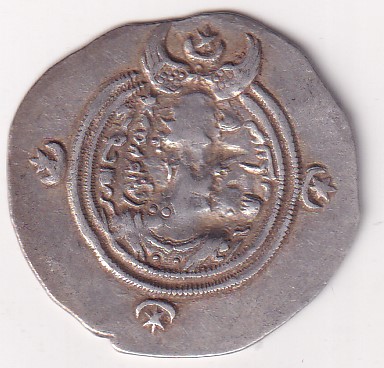
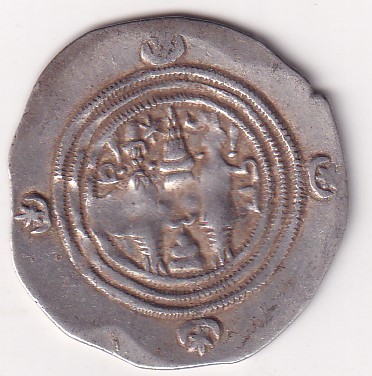
Explore the World's Finest Ancient Coins Collection
Welcome to our comprehensive marketplace for ancient coins, where history meets numismatics. Our extensive collection features authentic coins of ancient times from major civilizations including India, Greece, Rome, Egypt, and China. Each piece in our inventory represents not just currency, but a tangible connection to the empires and cultures that shaped human civilization.
Ancient Coins of India - A Rich Numismatic Heritage
India's numismatic history is among the world's oldest and most diverse. Our ancient coins of India chart provides collectors with detailed information about different dynasties and periods. From punch-marked coins used in ancient India dating back to 600 BCE to magnificent ancient Mughal coins featuring intricate calligraphy, we offer authenticated specimens with complete provenance. Explore ancient Indian coins history through our collection of Gupta gold dinars, Kushan copper coins, and Indo-Greek drachmas. Our detailed ancient coins of India images help collectors identify and appreciate the artistic craftsmanship of different eras.
We specialize in ancient gold coins of India, ancient silver coins of India, and ancient copper coins from various dynasties. Each listing includes high-resolution ancient coins images with names, making it easy for collectors to study details like inscriptions, symbols, and minting techniques. Understanding ancient Indian coins value requires expertise, and our team provides accurate assessments based on rarity, condition, and historical significance.
Global Ancient Coinage - From Mediterranean to the Far East
Beyond India, our collection encompasses the most sought-after pieces from world history. Ancient Greek coins include stunning examples from Athens, Corinth, and Alexander the Great's empire, featuring iconic designs like the Athenian owl and Pegasus. Our ancient Greek gold coins and ancient Greek silver coin selections represent the pinnacle of classical numismatic art.
Roman numismatics enthusiasts will find an impressive array of ancient Roman coins spanning the Republic and Imperial periods. From Julius Caesar denarii to Constantine solidi, our ancient Roman gold coins and silver coin of ancient Rome offerings include both common and rare specimens. Each ancient coin picture in our gallery showcases the portrait artistry and propaganda messages of Rome's emperors.
Ancient Egyptian coins and ancient Egyptian gold coins from the Ptolemaic period represent the fusion of Greek and Egyptian culture. Meanwhile, our ancient China coins and ancient Chinese coins collection features cash coins, knife money, and spade coins, with detailed information about ancient Chinese silver coins from various dynasties.
Information, Authentication, and Pricing
We understand that ancient coins information is crucial for collectors. Each listing provides comprehensive details including dynasty, approximate date, metal composition, weight, and historical context. Our ancient coins chart helps buyers understand different types, periods, and relative values across civilizations.
Wondering about ancient coin price or ancient coins for sale options? We offer competitive pricing based on current market values, with detailed explanations of factors affecting ancient coins value. From affordable entry-level pieces to rare ancient coins commanding premium prices, our inventory serves collectors at every level.
Visual Resources and Educational Content
Browse our extensive gallery of pictures of ancient coins and images of ancient coins of India to study minting techniques, iconography, and historical evolution. We also feature ancient coin drawing reconstructions for damaged specimens, helping collectors visualize original designs.
Whether you're researching coins and seals of ancient India, studying historical coins of ancient times, or seeking specific pieces for your collection, our platform provides the resources and inventory you need. Explore about ancient coins through our blog, authentication guides, and numismatic resources designed for serious collectors.
Start your journey through history today with authenticated old ancient coins that connect you directly to the civilizations that created them.
What are ancient coins and how old must they be to be considered "ancient"?
Ancient coins are monetary pieces minted by civilizations before approximately 500 CE, though definitions vary. Generally, coins from ancient India, Greece, Rome, Egypt, China, and Persia dating from around 600 BCE to 500 CE are classified as ancient. Indian numismatics sometimes extends this to include early medieval coins up to 1200 CE. The key factor is historical significance rather than just age—coins must represent authentic pieces from documented ancient civilizations with archaeological and historical importance.
How can I verify the authenticity of ancient coins of India before purchasing?
Authentic ancient Indian coins can be verified through several methods: examine weight and metal composition using non-destructive XRF testing, study patina formation (artificial aging appears different from natural oxidation), compare with published references in ancient coins of India charts, verify provenance documentation, and consult certified numismatists. Look for consistent wear patterns, correct metallurgy for the period, and die characteristics matching known specimens. Reputable dealers provide certificates of authenticity and allow third-party verification before purchase.
What factors determine ancient coins value and pricing?
Ancient coin values depend on multiple factors: rarity (mintage numbers and survival rate), historical significance (important rulers or events), condition (grading from poor to mint state), metal content (gold, silver, or copper), provenance (documented history), artistic quality, and market demand. For ancient coins of India, dynasty popularity affects pricing—Gupta gold coins typically command higher prices than common Kushan copper pieces. Portrait quality, inscription clarity, and centering also impact value significantly.
Are ancient gold coins of India a good investment?
Ancient gold coins of India, particularly from Gupta, Kushan, and Mughal periods, have shown steady appreciation and can be sound investments. Their intrinsic gold content provides a baseline value, while historical significance and rarity add numismatic premium. However, investment potential depends on authenticity, condition, and market knowledge. Gold dinars of Samudragupta or Chandragupta II have appreciated significantly over decades. Consult numismatic experts and treat ancient coins as long-term investments rather than quick returns, and always prioritize authenticated pieces with proper documentation.
What's the difference between ancient Greek coins and ancient Roman coins?
Ancient Greek coins (circa 600 BCE - 30 BCE) typically feature artistic, high-relief designs with deities, mythological creatures, and city-state symbols, struck on irregular flans. They pioneered coinage and emphasized aesthetic beauty. Ancient Roman coins (circa 300 BCE - 476 CE) evolved to include political propaganda, imperial portraits, and standardized denominations (denarius, aureus, sestertius). Roman coins show greater uniformity and were used across a vast empire. Greek coins are prized for artistry; Roman coins for historical documentation and portrait realism.
Where can I find reliable ancient coins images with names for research?
Reliable resources for ancient coins images with names include: academic institutions' online databases (British Museum, American Numismatic Society), specialized websites like WildWinds.com and CoinArchives.com, published references such as "Coins of Ancient India" by Bopearachchi, auction house archives (Heritage Auctions, CNG), and museum collections with digital catalogs. For ancient coins of India images specifically, consult the Reserve Bank of India's monetary museum resources and archaeological survey publications. Always cross-reference multiple sources to ensure accurate identification.
What are the most sought-after rare ancient coins for collectors?
Highly sought-after rare ancient coins include: Greek—Athenian dekadrachms, Syracuse decadrachms by Kimon, Macedonian gold staters of Alexander; Roman—EID MAR denarius of Brutus, early Republic didrachms, gold aurei of Caligula; Indian—gold dinars of Kumaragupta I with horseman design, punch-marked karshapanas of Magadha, Indo-Greek portrait drachmas; Egyptian—Ptolemaic octadrachms; and ancient Chinese knife money. Rarity, historical importance, and artistic excellence drive demand, with some specimens selling for hundreds of thousands of dollars.
How should I store and preserve ancient copper coins and silver coins?
Ancient coins require careful storage to prevent deterioration: use inert holders (Mylar flips, archival capsules) free from PVC which causes green corrosion; store in stable, low-humidity environments (30-40% relative humidity); avoid direct handling—use cotton gloves; never clean ancient coins with abrasives or chemicals as patina indicates authenticity; keep copper coins separate from silver to prevent galvanic corrosion; store in acid-free albums or trays; and maintain consistent temperature (65-70°F). For valuable pieces, consider professional conservation consultation. Proper storage preserves both condition and long-term value.
What is the historical significance of coins used in ancient India?
Coins used in ancient India revolutionized trade and economy from 600 BCE onwards. Punch-marked karshapanas were among the world's earliest coins, facilitating Mauryan Empire commerce. Indo-Greek coins introduced portraiture and Greek legends, influencing Indian artistic traditions. Gupta gold coins depicted Hindu deities and royal achievements, documenting religious and political history. Kushan coins spread Buddhist imagery across trade routes. Mughal coins combined Persian and Indian traditions with exquisite calligraphy. These coins provide crucial archaeological evidence about dynasties, trade networks, religious evolution, and economic systems that shaped Indian civilization.
Can I legally buy ancient coins for sale, and what regulations should I know?
In most countries, buying ancient coins for sale is legal for collectors, but regulations vary significantly. In India, the Antiquities and Art Treasures Act (1972) restricts ownership of certain antiquities, though coins are generally collectible with proper documentation. International purchases must comply with UNESCO conventions against illicit trafficking. Reputable dealers provide provenance showing pre-1970 collection history or documented legal export. Avoid coins from recent unauthorized excavations or uncertain origins. When purchasing, request export permits if applicable, maintain purchase receipts, and verify the seller's reputation. Responsible collecting supports preservation while respecting cultural heritage laws.