

Error Coins
Explore our exceptional collection of error coins—fascinating numismatic rarities created by minting mistakes that make them highly sought-after by collectors worldwide. Our authenticated inventory features error coins of India, British India error coins, and error coins of republic India, each representing unique production anomalies that occurred during the minting process.
From valuable 5-rupee error coins to rare mint error coins across various denominations, our selection caters to specialized collectors seeking these extraordinary pieces. Whether you’re searching for planchet error coins, die error coins, or coin rim errors, we offer authenticated specimens with detailed documentation explaining each error type.
Understanding error coins of India value requires expertise—we provide transparent pricing based on error rarity, visibility, and demand. Perfect for collectors seeking rare error coins or error coins worth money with genuine investment potential. Each piece is verified for authenticity and graded accurately.
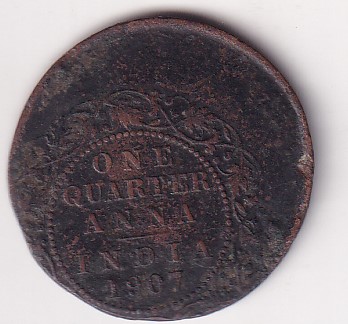
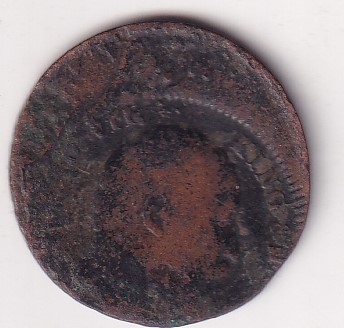
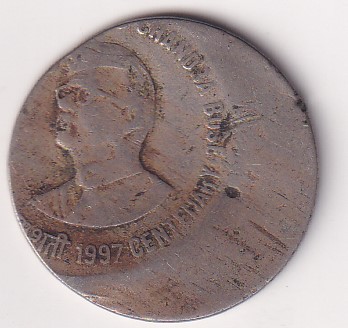
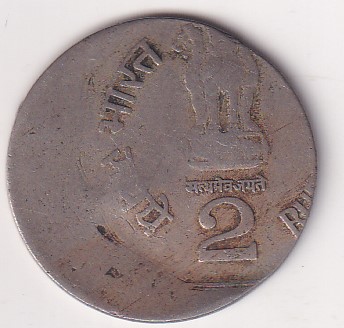
Welcome to the fascinating world of error coins, where minting mistakes transform ordinary currency into extraordinary numismatic treasures. These accidental rarities represent some of the most sought-after collectibles in numismatics, offering unique stories of production anomalies and manufacturing quirks that occurred at various mints worldwide.
Understanding Error Coins and Mint Errors
Error coins are coins that exhibit mistakes made during the minting process, making them distinct from regular production. Unlike deliberately created commemoratives or variations, these mint error coins result from mechanical malfunctions, die failures, or human oversight during production. The appeal lies in their unintentional creation, limited occurrence, and the fascinating glimpse they provide into the coin-making process.
Our comprehensive coin errors list educates collectors on identifying various error types including off-center strikes, double strikes, wrong planchet errors, die cracks, cuds, clipped planchets, broadstrikes, and more. Understanding common coin errors versus truly rare anomalies helps collectors make informed acquisition decisions.
Error Coins of India Collection
Our specialized inventory of error coins of India spans the nation's numismatic history, from colonial-era British India error coins to modern error coins of republic India. These pieces represent fascinating documentation of India's minting evolution across multiple facilities including Mumbai, Kolkata, Hyderabad, and Noida mints.
Error coins of India value varies dramatically based on error type, visibility, denomination, and rarity. Our transparent pricing reflects current market conditions supported by auction results and dealer networks. The 5 rupee error coin category includes dramatic off-center strikes, double strikes, and die errors that appeal to both Indian numismatic specialists and general error coin collectors.
We maintain detailed documentation on error coins India republic value, tracking market trends for specific error types across different denominations and eras. Our Indian error coins for sale section features authenticated pieces with clear photographs highlighting each error characteristic.
International Error Coins
Beyond Indian issues, explore our selection of rare error coins from around the world. Our Australian error coins inventory includes the popular Australian 2 dollar coin error varieties, Australian 20 cent coin errors, and Australian 50 cent coin errors that attract global collector interest. The Australian $2 coin errors section features multiple varieties documented by numismatic researchers.
Canadian coin errors showcase diverse mistake types from Royal Canadian Mint production, while US error coins represent some of the most extensively documented and valuable error categories globally. Specific series like Sacagawea coin errors, dollar coin errors Sacagawea, and John Adams dollar coin errors demonstrate how even modern production experiences occasional anomalies.
Error Coin Categories and Types
Planchet Error Coins: These occur before striking, including wrong metal composition, incorrect thickness, or damaged blanks. Planchet error coins often show dramatic visual differences from normal production.
Die Error Coins: Resulting from damaged, cracked, or misaligned dies, these die error coins include doubled dies, die cracks, die breaks (cuds), and die clashes. Some die errors appear across multiple coins before detection, while others are unique.
Coin Rim Errors: Distinctive coin rim errors include incomplete reeding, damaged edges, or collar malfunctions creating unusual edge characteristics. These errors are particularly dramatic on larger denomination coins.
Valuation and Authentication
Understanding error coin values requires considering multiple factors: error type rarity, visibility and drama of the mistake, base coin denomination and metal content, overall condition, and market demand for specific error categories. Our error coin price guides reflect current market realities, with regular updates based on auction results and dealer transactions.
Mint error coins value can range from modest premiums to thousands of dollars for spectacular examples. Rare mint error coins with dramatic visual impact and limited occurrence command the highest premiums. We document error coins worth money with transparent explanations of valuation factors.
Error Coins for Sale - Authenticated Inventory
Our error coins for sale undergo rigorous authentication processes distinguishing genuine mint errors from post-mint damage or alterations. We work with experienced graders familiar with error coins to look for and their characteristic features. Each listing includes detailed photographs, error type descriptions, and market valuations.
For those seeking specific pieces, we maintain want lists and source rare India error coins through collector networks, estate acquisitions, and international dealer relationships. Our connections with error coin buyers also facilitate sales for collectors looking to liquidate holdings.
Why Collect Error Coins?
Error coin collecting offers unique advantages: genuine scarcity (most errors are destroyed before release), fascinating production stories, strong collector community and research networks, cross-collecting appeal (attractive to both country-specific and error-type collectors), and appreciation potential for dramatic, well-documented errors.
Whether you're seeking new coin errors from recent production or historical mistakes from decades past, our inventory provides authenticated access to these accidental numismatic treasures.
FAQs
What are error coins and how are they created?
Error coins are coins with mistakes made during the minting process, creating unintentional variations from standard production. These mint error coins occur through various mechanisms: planchet errors (defective blanks before striking), die errors (damaged or misaligned dies during striking), and striking errors (mechanical failures during the actual strike). Common examples include off-center strikes where the planchet isn't properly positioned, double strikes where coins are struck twice, wrong planchet errors where blanks intended for different denominations are used, die cracks creating raised lines, and clipped planchets showing missing segments. Unlike intentional varieties or commemoratives, error coins result from accidents, equipment malfunctions, or oversight during quality control, making them genuinely scarce and highly collectible.
How much are error coins of India worth?
Error coins of India value varies dramatically based on several factors. Error coins of India value depends on: error type and rarity (dramatic errors like major off-centers command premiums), error visibility (obvious errors are more valuable than subtle ones), denomination (errors on higher denominations typically worth more), condition (uncirculated errors command significant premiums), and documentation (errors with clear provenance and authentication). A 5 rupee error coin with minor die crack might be worth ₹50-200, while a dramatic off-center strike could fetch ₹2,000-10,000+. British India error coins and error coins India republic value can reach five figures for spectacular examples. We provide transparent error coin price assessments based on current market conditions and recent auction results.
What types of error coins should I look for?
When considering error coins to look for, focus on these valuable categories: Major Off-Center Strikes (20%+ off-center with visible date), Double Strikes (coins struck twice, especially if rotated), Wrong Planchet Errors (coins struck on blanks for different denominations), Broadstrikes (struck without collar, creating oversized coins), Die Cuds (raised blobs from die breaks), Multiple Strikes (three or more impressions), Clipped Planchets (missing segments, especially straight clips), Die Cracks and Breaks (dramatic raised lines), and Mule Errors (mismatched obverse/reverse combinations). Among common coin errors, not all carry significant value—focus on dramatic, visible mistakes. Rare mint error coins with multiple simultaneous errors are particularly valuable.
Are Australian error coins valuable?
Yes, Australian error coins can be quite valuable, particularly striking examples. The Australian 2 dollar coin error varieties include off-center strikes, double strikes, and die errors that attract strong collector interest both domestically and internationally. Australian 20 cent coin errors and Australian 50 cent coin errors are popular due to these larger denominations providing more dramatic visual impact. Australian $2 coin errors with significant off-center strikes or multiple errors can fetch hundreds to thousands of dollars Australian. Australian error coins benefit from strong domestic collecting community, comprehensive documentation and research, relatively recent production (making authentication easier), and crossover appeal to international error collectors. Values range from modest premiums for minor errors to significant sums for spectacular pieces.
How can I tell if my error coin is authentic?
Authenticating error coins requires distinguishing genuine mint error coins from post-mint damage or deliberate alterations. Genuine characteristics include: error consistency with known mint equipment and processes, appropriate wear patterns (errors show uniform wear if circulated), correct weight and metal composition despite the error, striking evidence visible under magnification, and error types documented from that mint/era. Red flags include: damage appearing post-mint (scratches, dents showing wrong metal), errors impossible given mint equipment, weight discrepancies suggesting alterations, and "errors" that are actually common die varieties or deliberate damage. We authenticate every error coin using precision equipment, comparison with documented examples, and expertise in mint processes. For valuable pieces, third-party authentication by major grading services provides additional assurance.
What are the most valuable error coins?
The most valuable error coins worldwide include spectacular pieces combining rarity, drama, and historical significance. Rare error coins commanding premium prices include: major US double denomination errors (like quarters struck on dime planchets), dramatic multiple error combinations, historical error coins from significant periods, off-metal errors (coins struck on wrong metal entirely), and unique errors with only one or few examples known. In Indian numismatics, rare India error coins from early republic era, British India error coins with multiple simultaneous errors, and dramatic off-center strikes on higher denominations lead valuations. Error coins worth money share characteristics of obvious visual impact, verifiable authenticity, and strong collector demand. Documented five-figure sales exist for exceptional pieces.
Where can I sell my error coins?
If you're seeking error coin buyers, several options exist. Specialized numismatic dealers focusing on error coins (like us) provide expertise in authentication and fair valuation. Major auction houses handle significant error coin collections, particularly rare mint error coins with strong provenance. Online marketplaces allow direct sales but require authentication expertise to achieve proper prices. Numismatic shows provide in-person evaluation and sale opportunities. We purchase authenticated error coins of India, British India error coins, and international pieces, offering competitive prices based on current market values. Our evaluation process includes authentication, grading, and transparent pricing referencing recent sales data. For significant collections, we provide consignment options maximizing exposure to specialized collectors.
What are planchet and die error coins?
Understanding error categories helps collectors identify valuable pieces. Planchet error coins occur before striking and include: wrong planchet errors (blank intended for different coin), clipped planchets (missing segments from blank cutting), lamination errors (metal separation in layers), off-metal planchets (entirely wrong metal composition), and damaged blanks (defects before striking). Die error coins result from damaged or defective dies: doubled dies (hub impression shifted, creating doubling), die cracks (raised lines from cracked dies), die breaks/cuds (raised blobs from broken dies), die clashes (impressions from dies striking each other), and rotated dies (misaligned die installation). Both categories include coin errors list favorites, with dramatic examples commanding significant premiums in the error coin values marketplace.
Do modern coins have valuable errors?
Yes, new coin errors from modern production can be quite valuable despite advanced quality control. While modern minting technology reduces error frequency, this scarcity actually increases value for errors that escape detection. Recent production offers advantages: easier authentication (less time for clever fakes), better documentation (mint production records), and active collector interest in contemporary issues. Modern errors like US error coins from recent decades, current Australian error coins, and error coins of republic India from recent years all attract collector interest. Dramatic errors—major off-centers, wrong planchets, significant double strikes—command strong prices regardless of age. Even circulation finds can yield valuable discoveries when collectors examine pocket change systematically using error coins to look for guides.
What's the difference between error coins and varieties?
This distinction is crucial for collectors: Error coins are unintentional mistakes during production—each individual coin is unique or part of a very small group before the error was detected and corrected. Mint error coins weren't supposed to exist and typically show dramatic deviations like off-center strikes or wrong planchets. Varieties are intentional or systematic differences affecting entire production runs—like mint mark changes, designer modifications, or die characteristics appearing across thousands or millions of coins. Examples include different designer initials, intentional design modifications, or systematic die differences. Error coin price reflects genuine rarity and accident, while variety values depend on collector interest in cataloging differences. Some die error coins blur this line—early die states showing cracks might affect many coins before replacement. Authentication and proper categorization require expertise distinguishing accidents from systematic production features.