

Portuguese India Coins
Discover our exceptional collection of Portuguese India coins, rare numismatic treasures documenting over 450 years of Portuguese colonial presence in India (1505-1961). Our authenticated inventory features Portuguese India coins for sale 1886 Quarto and other denominations from Estado da Índia territories including Goa, Daman, and Diu.
From early coins of 1505 Portuguese India marking the beginning of European coinage in the subcontinent to late colonial issues, our selection spans the complete history of Portuguese coins in India. Whether you’re seeking rare Portuguese India 15 reis coins, valuable Tanga denominations, or Portuguese India gold coins, each piece is verified for authenticity.
Perfect for collectors studying coins of Portuguese India, specialists in colonial numismatics, or enthusiasts of Indo-European history. Explore old coins of Portuguese India with detailed historical context, transparent pricing reflecting current India Portuguese Quarto Tanga coin value, and comprehensive documentation for serious numismatists.
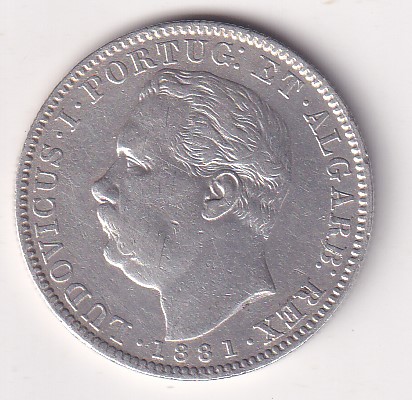
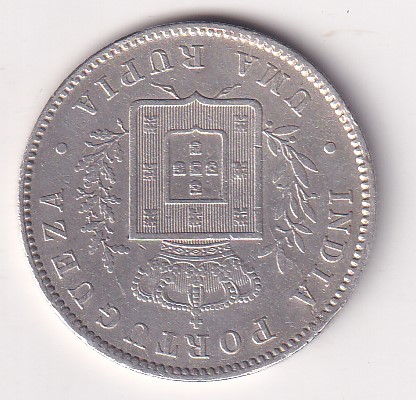
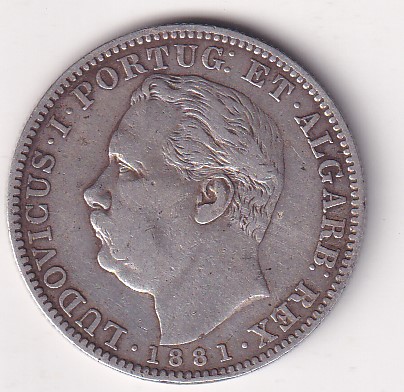
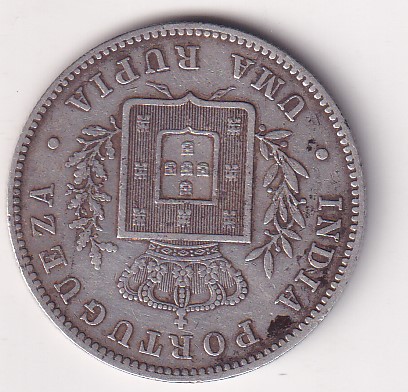
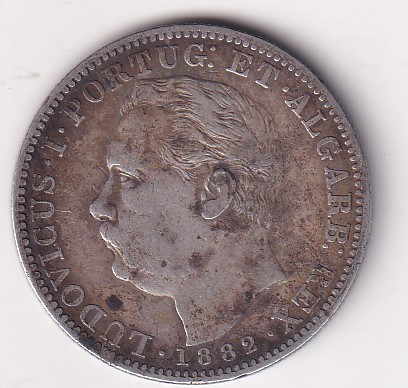
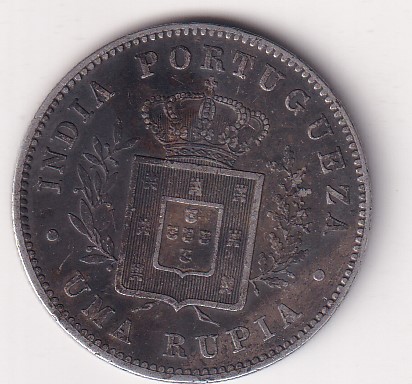
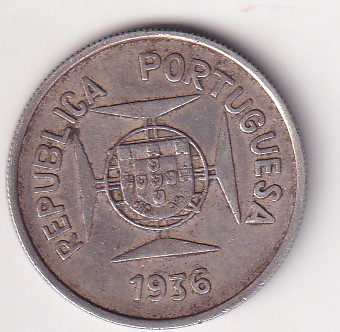
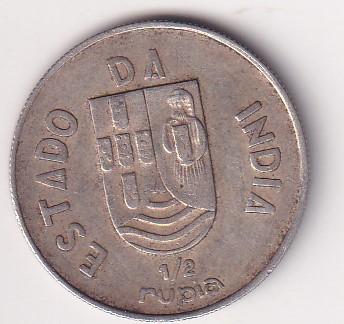
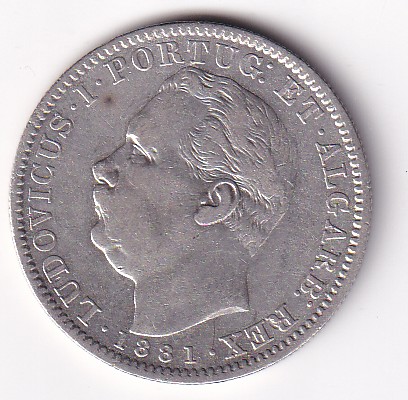
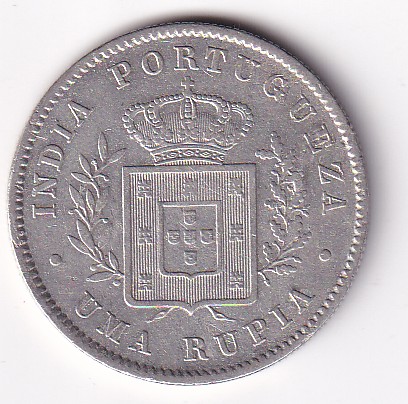
Welcome to India's premier collection of Portuguese India coins, where European colonial numismatics meets Indian history. The coins of Portuguese India represent a fascinating intersection of cultures, documenting Portuguese Estado da Índia from Afonso de Albuquerque's conquest of Goa (1510) through Indian annexation (1961). Our authenticated collection provides access to these historically significant pieces that chronicle over four centuries of Luso-Indian commercial and cultural exchange.
History of Portuguese Coins in India
Understanding the history of Portuguese coins in India reveals a complex evolution reflecting colonial expansion, economic changes, and cross-cultural influences. The Portuguese coins in India history begins with early 16th-century silver tangas and gold moidores struck at Goa mints, progressing through distinctive copper bazarucos used for local trade, the introduction of reis-denominated coinage aligning with metropolitan Portuguese standards, and finally late colonial issues (1870s-1950s) featuring modernized designs and compositions.
The coins of 1505 Portuguese India period (technically 1510 onwards when minting began in Goa) represent some of the earliest European coinage produced in Asia. These pioneering issues combined Portuguese royal symbols with adaptations to Indian commercial practices, creating unique numismatic artifacts.
Portuguese India Coin Denominations and Types
Tanga and Quarto: The Tanga served as a silver standard denomination, while the Quarto (quarter) represented smaller fractional values. The India Portuguese Quarto Tanga coin value varies significantly based on year, condition, and rarity. Our Portuguese India coins for sale 1886 Quarto listings feature this popular denomination from the late colonial period, when standardized European-style coinage replaced earlier Indo-Portuguese types.
Reis Denominations: Portuguese India 15 reis coins and related reis-denominated copper pieces (5, 10, 15, 20 reis) represent the alignment with Portuguese metropolitan monetary standards. These copper coins circulated extensively and remain accessible to collectors today, offering affordable entry into Portuguese India numismatics.
Bazaruco: Unique small copper coins designed specifically for local Indian commerce, bazarucos represent Portuguese adaptation to regional economic practices. These distinctively Indian-influenced pieces showcase cross-cultural numismatic synthesis.
Gold Coins: Portuguese India gold coins including moidores and other gold denominations represent the highest value pieces from this colonial series. These rare specimens command significant premiums due to precious metal content, limited mintages, and historical significance.
Silver Tangas: Heavy silver coins that formed the backbone of Portuguese India's monetary system for centuries, tangas evolved through multiple design iterations while maintaining their essential character.
Portuguese India Mints and Territories
Portuguese India minting occurred primarily at Goa (the capital and main mint), with occasional issues from Daman and Diu (smaller Portuguese territories). Understanding mint attributions enhances appreciation for old coins of Portuguese India and affects Portuguese India coin value significantly.
The Goa mint produced the vast majority of coinage, featuring various Portuguese royal arms, shields, crosses, and later, standardized colonial designs. Smaller territories occasionally struck emergency or local issues, now extremely rare and valuable.
Collecting Portuguese India Coins
Portuguese India coin collecting offers multiple dimensions: Historical Significance: Documenting European colonialism in Asia and Indo-Portuguese cultural synthesis. Artistic Merit: Combining Portuguese heraldry with Indian-influenced designs. Rarity Factors: Many issues had limited mintages or suffered high melting rates. Affordability: Copper reis and bazarucos provide accessible entry points. Investment Potential: Rare early issues and gold coins show strong appreciation.
The Portuguese India coin value spectrum ranges from affordable copper pieces (₹500-2,000) through mid-range silver tangas (₹2,000-15,000) to rare gold coins and early issues commanding ₹50,000+. Condition dramatically affects pricing, with lustrous uncirculated examples commanding significant premiums over heavily circulated pieces.
Authentication and Grading
Authenticating coins of Portuguese India requires expertise in distinctive characteristics including appropriate patina development for centuries-old copper and silver, correct weight standards for each denomination and period, period-appropriate strike characteristics and die styles, proper metal compositions, and consistent heraldic details matching documented types.
We authenticate every Portuguese India coin through comprehensive examination including weight verification, metallurgical assessment, style analysis comparing with documented specimens, and expert consultation when needed. Our documentation provides historical context, date attribution, mint identification, and transparent condition grading.
Why Collect Portuguese India Coins?
Old coins of Portuguese India offer collectors unique advantages: relatively undervalued compared to British India coinage, rich historical narrative spanning 450+ years, distinctive artistic styles blending European and Indian elements, manageable collecting scope (compared to vast British India series), and strong appreciation potential as specialist interest grows.
These coins represent tangible connections to Goa's Portuguese heritage, Indo-Portuguese cultural synthesis, and early European engagement with India. They appeal to collectors of colonial numismatics, Indian history, Portuguese imperial coinage, and cross-cultural artifacts.
Building Your Collection
Whether you're seeking specific Portuguese India coins for sale 1886 Quarto pieces, assembling comprehensive type sets, or acquiring rare early issues, our curated inventory provides authenticated access to these historically significant coins. Filter by denomination, metal, period, or mint to find pieces matching your collecting focus.
Start your Portuguese India numismatic journey today with authenticated coins documenting this fascinating chapter of Indo-European history.
FAQs
What are Portuguese India coins and where were they used?
Portuguese India coins are currency issued by Portuguese colonial authorities in their Indian territories (Estado da Índia) from approximately 1510 to 1961. These coins of Portuguese India circulated primarily in Goa (capital and largest territory), Daman (Damão), and Diu—three enclaves on India's western coast controlled by Portugal. They also circulated in smaller Portuguese holdings including fort settlements and trading posts. Unlike British India coinage which spread across the entire subcontinent, Portuguese India coin circulation remained geographically limited to these specific territories. However, they influenced regional commerce and occasionally circulated in adjacent Indian regions through trade. The coins reflected Portuguese sovereignty through royal arms, crosses, and shields, while denominations often adapted to local Indian commercial practices, creating unique Indo-Portuguese numismatic synthesis combining European and Asian monetary traditions.
How much are Portuguese India coins worth?
Portuguese India coin value varies dramatically based on several factors. Common late-period copper reis coins (1870s-1940s) in circulated condition typically range ₹500-2,000. The India Portuguese Quarto Tanga coin value for mid-grade specimens runs ₹2,000-5,000, with uncirculated examples reaching ₹8,000-15,000+. Early silver tangas from the 16th-17th centuries command ₹10,000-50,000+ depending on condition and rarity. Portuguese India gold coins are quite rare and valuable, typically starting at ₹50,000 and exceeding ₹200,000 for exceptional pieces. Coins of 1505 Portuguese India (actually 1510s when minting began) are extremely rare museum-quality pieces commanding premium prices. Portuguese India 15 reis coins and similar small copper denominations offer affordable entry points. Condition is critical—lustrous uncirculated examples command 3-10x circulated specimen prices. Rare dates, mints, or varieties significantly increase values.
What is the history of Portuguese coins in India?
The history of Portuguese coins in India spans 451 years (1510-1961). Portuguese coins in India history began when Afonso de Albuquerque conquered Goa in 1510, establishing it as the capital of Estado da Índia. Early coinage (1510-1600s) featured heavy silver tangas, gold moidores, and unique bazarucos adapted to local commerce. The middle period (1600s-1800s) saw evolving designs reflecting successive Portuguese monarchs and economic changes. Modern standardization (1870s-1961) introduced reis-denominated coinage aligning with metropolitan Portuguese standards—this period produced the Portuguese India coins for sale 1886 Quarto and similar issues. Throughout, Portuguese India coins combined European heraldry (shields, crosses, royal arms) with practical adaptations to Indian commerce, creating distinctive hybrid coinage. The series ended in 1961 when India annexed the territories, making these old coins of Portuguese India historical artifacts of colonial numismatics.
What denominations did Portuguese India use?
Coins of Portuguese India employed various denominations evolving over centuries. Early Period (1510-1870s): Gold moidores and pardaos (high-value transactions), silver tangas, meio-tangas, and vintems (medium value), copper bazarucos (small everyday transactions). Modern Period (1870s-1961): Reis-denominated system aligned with Portuguese metropolitan standards: Portuguese India 15 reis coins, plus 5, 10, 12, 20, 30, 60 reis (copper/bronze), 1/8, 1/4, 1/2, 1 rupia (silver, later copper-nickel). The Portuguese India coins for sale 1886 Quarto represents this later standardized period. The Quarto (quarter) and Tanga remained important denominations throughout. Understanding India Portuguese Quarto Tanga coin value requires knowing these denominations evolved significantly—early tangas were substantial silver pieces while later rupias reflected different monetary standards. Each metal served specific commercial purposes, with gold for large transactions, silver for substantial purchases, and copper for daily commerce.
Are Portuguese India coins rare?
Rarity varies significantly across the Portuguese India coin series. Generally, Portuguese India coins are considerably rarer than British India coinage due to: limited geographic circulation (only Goa, Daman, Diu), smaller population base in Portuguese territories, lower mintages compared to British India's massive production, metal recycling (many old coins of Portuguese India were melted), and 451-year timespan creating numerous date/variety combinations. Specific rarity factors: Very Rare: Coins of 1505 Portuguese India period (1510s-1600s), early gold coins, Daman and Diu mint issues. Moderately Rare: 18th-century issues, uncirculated examples of any period, specific rare dates. Relatively Available: Late period copper reis (1870s-1940s), common-date circulated pieces. Portuguese India gold coins are universally rare. The Portuguese India 15 reis coins and similar small denominations are most accessible to new collectors. Overall, these coins are significantly scarcer than comparable British India pieces, contributing to their appreciation potential.
What are bazarucos and why are they unique?
Bazarucos are distinctive small copper coins unique to Portuguese India, representing a fascinating example of colonial adaptation to local economic practices. Unlike metropolitan Portuguese coinage, bazarucos were specifically designed for Indian bazaar (market) commerce, hence the name. These old coins of Portuguese India featured small denominations suited to everyday purchases, distinctively Indian-influenced designs (compared to more European-style tangas and moidores), copper composition for durability in tropical conditions, and sizes/weights adapted to local preferences. Bazarucos show Portuguese recognition that successful commerce required accommodating Indian monetary customs rather than simply importing European systems. They circulated extensively in local markets alongside indigenous Indian coins. Today, bazarucos are highly collectible due to their cultural significance (representing Indo-Portuguese synthesis), historical importance (documenting colonial economic adaptation), and distinctive appearance (unlike standard European colonial coinage). They offer affordable entry into Portuguese India coin collecting while providing fascinating historical insights.
How can I authenticate Portuguese India coins?
Authenticating coins of Portuguese India requires examining multiple characteristics. Genuine Portuguese India coin specimens exhibit: Correct Weight: Each denomination/period has specific weight standards—verify with precision scales. Portuguese India 15 reis coins should weigh approximately 3-4 grams, tangas 9-11 grams depending on period. Appropriate Patina: Centuries-old copper and silver develop natural patina; artificial aging appears different under magnification. Period-Appropriate Striking: Examine strike characteristics—early coins show hand-struck irregularities, later issues have machine-struck uniformity. Correct Heraldic Details: Portuguese royal arms, shields, and crosses must match documented types for specific monarchs/periods. Metal Composition: XRF or acid testing verifies silver content in tangas, copper purity in reis. Die Style Consistency: Compare with authenticated references—modern fakes often show incorrect fonts, spacing, or design elements. Beware of contemporary counterfeits from the colonial period (different from modern fakes). We authenticate every Portuguese India coin through comprehensive examination, providing documentation and certificates for valuable pieces.
What makes Portuguese India coins historically significant?
The history of Portuguese coins in India represents profound historical significance on multiple levels. Colonial History: They document the longest European colonial presence in India (1510-1961, outlasting British India by 14 years). Economic Documentation: They reveal economic policies, trade patterns, and monetary evolution across 450+ years. Cultural Synthesis: Portuguese India coins show Indo-European cultural blending—Portuguese heraldry meeting Indian commercial practices. Numismatic Innovation: Early issues were among the first European coins struck in Asia, pioneering European-Asian numismatic interaction. Political Changes: Coin designs reflect successive Portuguese monarchs, constitutional changes, and eventually decolonization. Regional Identity: They're integral to Goan and Portuguese-Indian cultural heritage. For collectors, old coins of Portuguese India offer tangible connections to this complex history—each piece documents specific moments in Indo-Portuguese relations. Their historical depth exceeds their numismatic recognition, making them potentially undervalued compared to their significance.
Where can I buy authentic Portuguese India coins?
To purchase authentic Portuguese India coins for sale, use reputable dealers specializing in colonial Indian numismatics. Our platform offers authenticated Portuguese India coins for sale 1886 Quarto and pieces from all periods, featuring: comprehensive authentication (weight, metal, style verification), detailed cataloging (date, mint, denomination, monarch identification), high-resolution images showing both sides and important details, transparent pricing reflecting current Portuguese India coin value, historical context for each piece, and certificates of authenticity for valuable items. When buying elsewhere, verify dealer credentials and expertise in Portuguese India coinage, request clear photographs and specifications, compare prices across multiple sources, understand return/guarantee policies, and ensure proper documentation for resale. Avoid unverified marketplaces where fakes appear. Portuguese India coins require specialized knowledge—general Indian coin dealers may lack expertise to authenticate properly. Our specialization protects collectors while providing access to genuinely rare old coins of Portuguese India spanning all denominations and periods.
What should I focus on when starting a Portuguese India coin collection?
Starting a coins of Portuguese India collection benefits from strategic focus. Consider these approaches: Chronological Collection: Attempt to acquire coins from different periods—early colonial (1510-1700), middle period (1700-1870), modern standardized (1870-1961)—documenting monetary evolution. Type Collection: Gather examples of major denominations—bazaruco, reis, tanga, rupia, gold coins—showing the monetary system's structure. Metal-Based Focus: Specialize in copper (most affordable Portuguese India 15 reis coins and bazarucos), silver (tangas and rupias), or save for rare Portuguese India gold coins. Condition Focus: Prioritize higher-grade specimens even if this means fewer pieces—uncirculated examples dramatically outperform circulated long-term. Historical Themes: Collect by specific monarchs, mints, or historically significant periods. Budget-Conscious Start: Begin with late-period copper reis (₹500-2,000), gradually adding silver pieces and rare issues. Research the history of Portuguese coins in India thoroughly—understanding context enhances collecting satisfaction. Join specialized numismatic communities focusing on Portuguese colonial coinage for knowledge and acquisition opportunities.