

State Coins
Explore our diverse collection of state coins—a fascinating category encompassing Indian princely state coinage, United States coins, and modern state-issued currencies from around the world. Our authenticated inventory features rare Indian princely state pieces including Kinnar state coin, Gwalior state coins, Bundi state coins, and dozens of other princely territories that issued their own currency before Indian independence.
We also offer United States of America coin collections featuring classic denominations like the penny United States coin, nickel United States coin, dime United States coin, and the United States one dollar coin. Additionally, find foreign state currencies including state of Qatar coin and state of Bahrain coin pieces, with transparent information on values like state of Qatar 50 dirhams coin value in Indian rupees and state of Bahrain 100 coin value in India.
Perfect for collectors specializing in regional numismatics, princely state enthusiasts, or those building comprehensive geographical coin collections with authenticated pieces spanning continents.
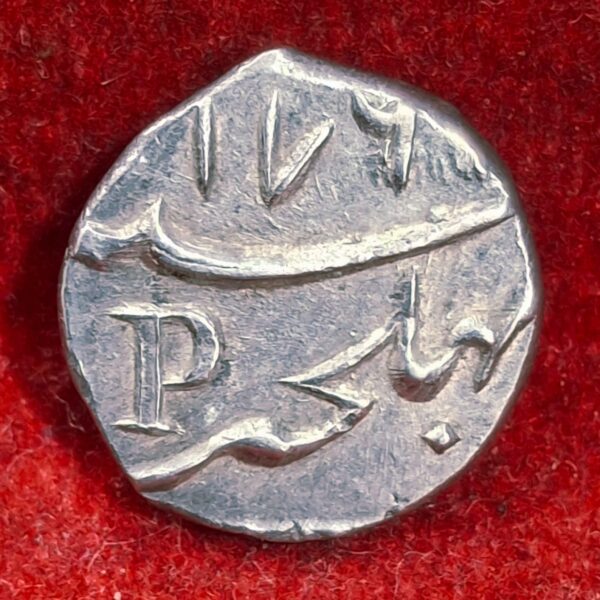
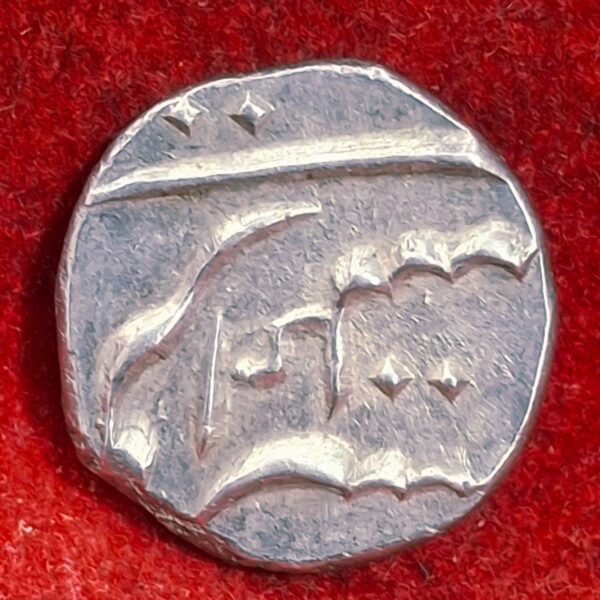
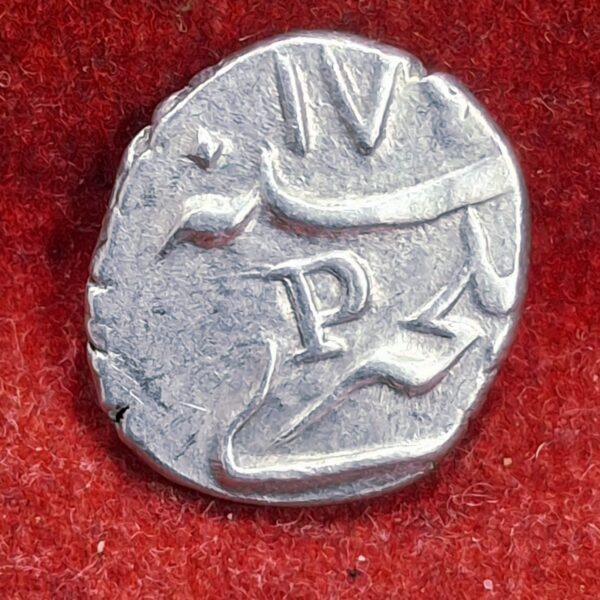
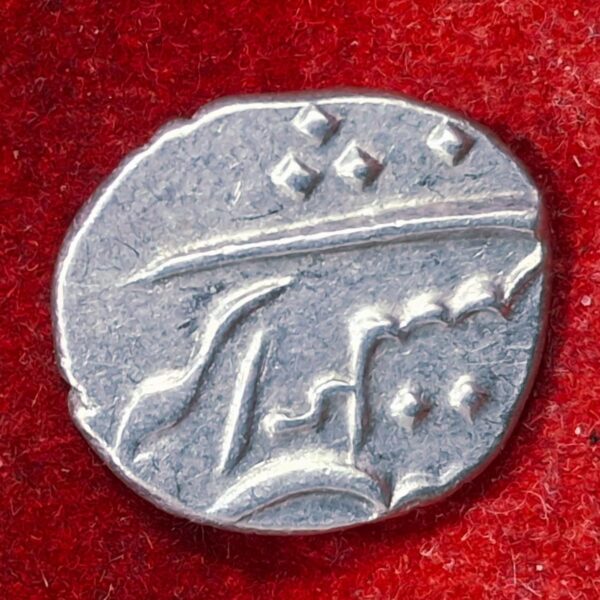
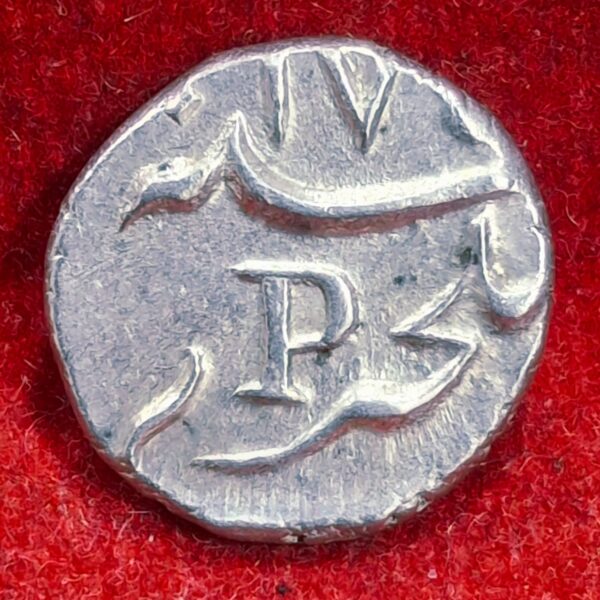
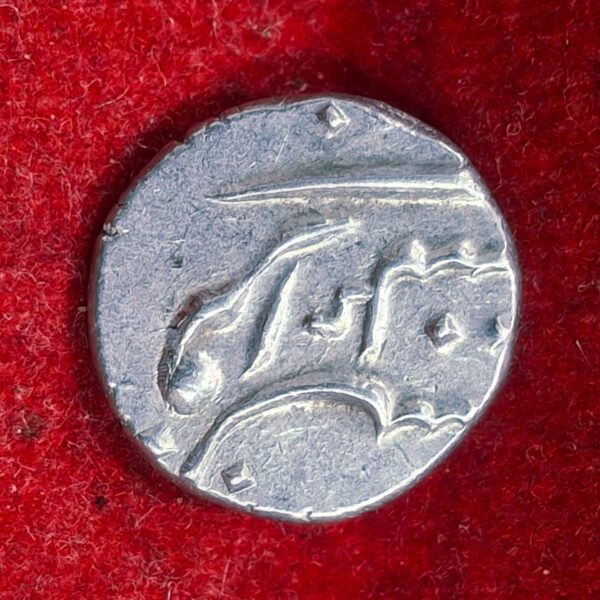
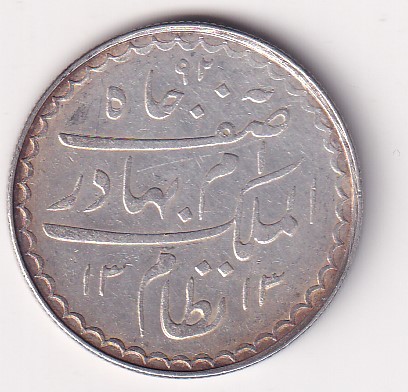
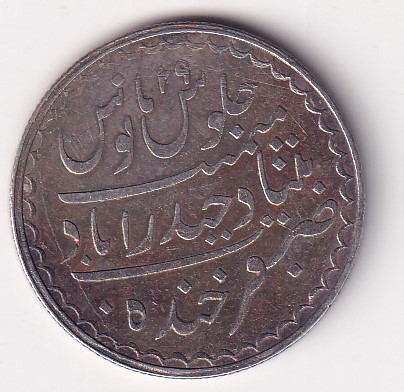
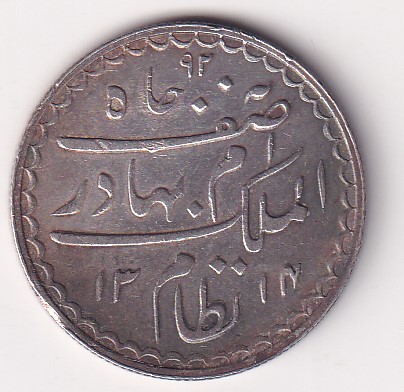
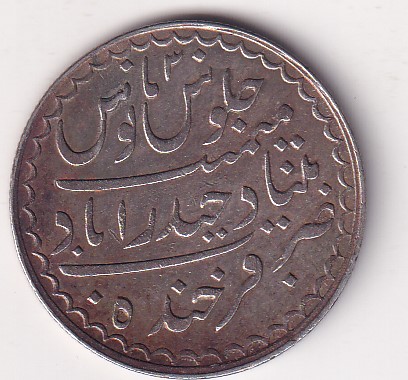
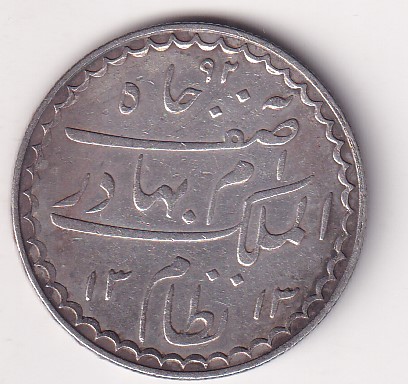
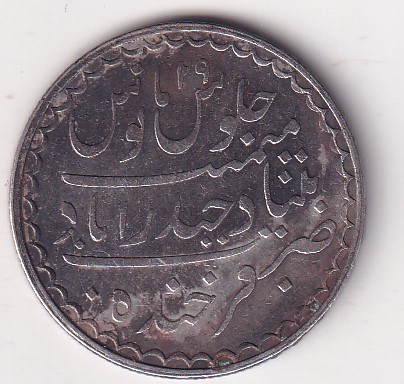
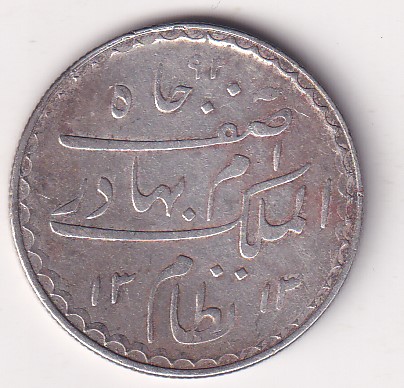
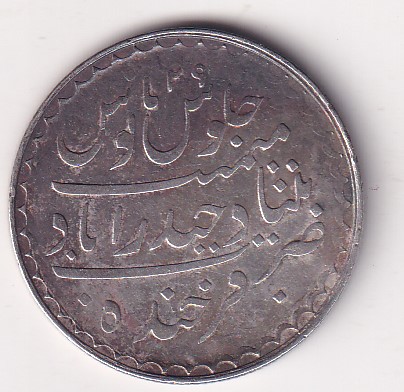
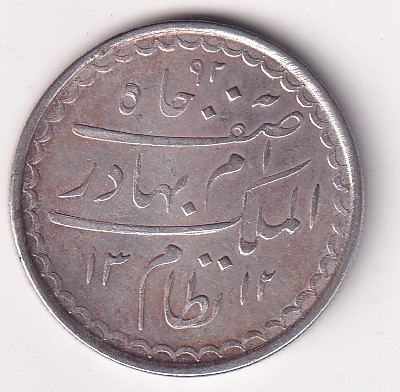
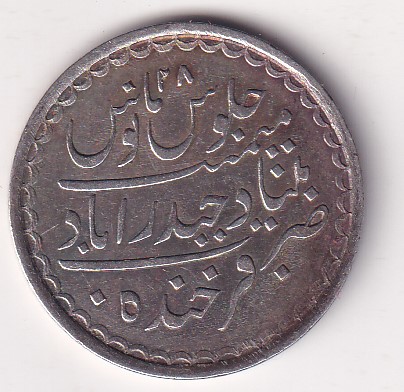
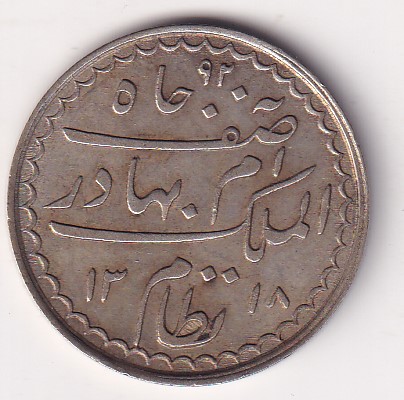
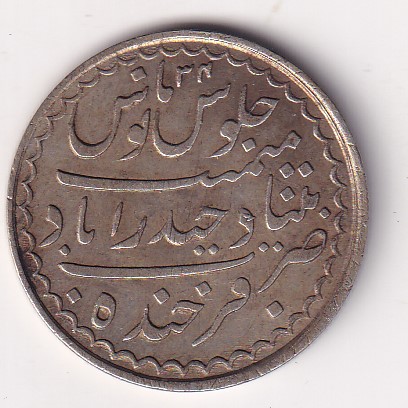
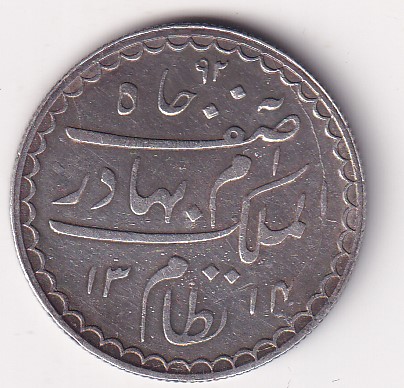
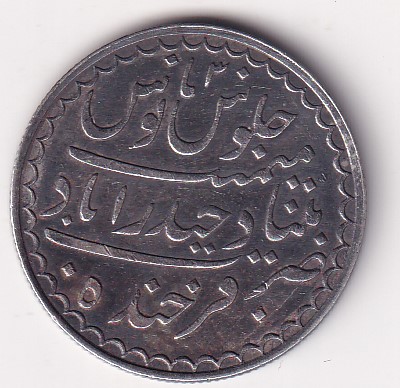
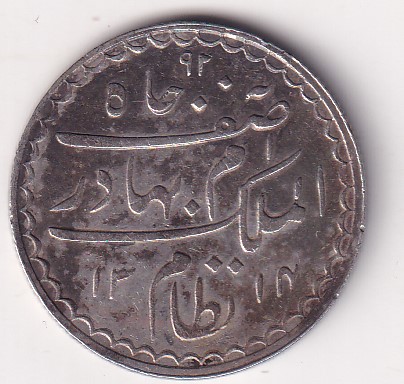
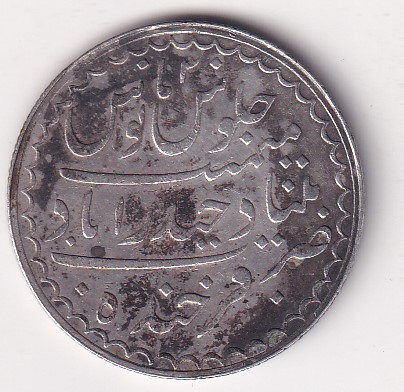
Welcome to our comprehensive state coins collection, where regional numismatic heritage from Indian princely states, United States denominations, and modern nation-state currencies converge. This diverse category celebrates the fascinating world of territorially-specific coinage, from the hundreds of Indian princely states that issued their own currency to standardised national coinages bearing state identities.
Indian Princely State Coins
India's pre-independence era featured over 560 princely states, many issuing distinctive coinage reflecting local rulers, cultures, and artistic traditions. Our collection of Indian princely state coins includes authenticated pieces from major and minor states:
Major Princely State Coins: Gwalior state coins from the Scindia dynasty, featuring distinctive designs and various denominations in gold, silver, and copper. Baroda state coin issues from the Gaekwad rulers, known for artistic excellence. Mysore state coins from the Wodeyar dynasty and Tipu Sultan period. Bhopal state coins represent one of India's few Muslim-ruled princely states. Indore state coins from the Holkar dynasty. Hyderabad state coins (covered separately but related to princely coinage).
Smaller Princely States: Bundi state coins from this Rajputana state, known for its miniature painting traditions. Dewas state coins (Senior and Junior branches). Alwar state coins from this historic Rajput kingdom. Junagadh state coins from Gujarat's famous princely state. Nawanagar state coins from the Jadeja dynasty. Ratlam state copper coin and other denominations. Sailana state coins represent smaller but numismatically significant territories.
Himalayan State Coins: The famous Kinnar state coin from the remote Himalayan region (Kinnaur). The Kinnar state coin 1936 price and Kinnar state coin 1936 history make these pieces particularly intriguing, representing one of India's most isolated princely states with limited coinage production. These rare pieces command significant collector interest due to scarcity and historical significance.
United States Coins
Our United States coins collection features classic American denominations spanning historical periods:
Cent/Penny: The penny United States coin, includes varieties from Indian Head cents through modern Lincoln cents, representing America's smallest denomination with a wide collecting variety.
Nickel: The nickel United States coin (5 cents) features Buffalo nickels, Jefferson nickels, and earlier Shield and Liberty varieties. The dime United States coin has varied throughout history—our collection includes silver dimes (pre-1965, 90% silver) and modern clad composition pieces. Understanding dime United States coin varieties helps collectors identify valuable dates and mint marks.
Quarter Dollar: The United States quarter dollar coin value varies significantly based on date, mint mark, condition, and silver content. Pre-1965 quarters contain 90% silver, commanding premiums over face value. State quarter series (1999-2008) and America the Beautiful quarters offer thematic collecting opportunities.
Dollar Coins: The United States one-dollar coin category includes historic silver dollars (Morgan, Peace), Eisenhower dollars, Susan B. Anthony dollars, Sacagawea dollars, and Presidential dollars. The oldest United States coin specimens in our inventory include early federal issues and colonial-era pieces predating the U.S. Mint.
Our United States of America coin collection also includes commemoratives, territorial issues, and special mint sets, providing comprehensive coverage of American numismatic history. United States currency coins evolved from commodity money through precious metal standards to modern clad coinage, documented in our inventory.
Middle Eastern State Coins
State of Qatar: The state of Qatar coin collection includes various denominations with information on the state of Qatar coin value in India for collectors outside Qatar. The 50 dirhams coin state of Qatar and state of Qatar coin 25 dirhams represent higher denominations. We provide transparent information on state of Qatar 50 dirhams coin value in Indian rupees for Indian collectors assessing purchases.
State of Bahrain: State of Bahrain coin pieces include various denominations. The state of Bahrain 100 coin is particularly sought by collectors, with information on state of Bahrain 100 coin value in India, state of Bahrain 100 coin to Indian rupees conversion, and specific issues like state of Bahrain 100 coin value 1995, helping collectors make informed decisions.
United Arab Emirates: While sometimes confused in searches, the United Arab Emirates coin should properly reference "United Arab Emirates coins"—we clarify this distinction and offer authentic UAE coinage.
Modern Indian State Banking Coins
State Bank of India Coins: The state bank of India 5 rupees coin value and 5 rupee coin state bank of India value relate to commemorative issues celebrating the bank's anniversaries and milestones. While circulating coins don't bear SBI branding, commemoratives exist. Additionally, the State Bank of India gold coin and the State Bank gold coin rate today relate to bullion products offered by SBI for investment purposes, with the State Bank of India gold coin rate updated regularly.
Building Your State Coins Collection
Whether you're specialising in Indian princely states (with their incredible diversity), assembling comprehensive United States denomination sets, or collecting modern state currencies from specific regions, our authenticated inventory provides access to properly documented pieces with transparent pricing and historical context.
FAQs
1. What are Indian princely state coins, and why are they collectable?
Indian princely state coins are currency issued by the 560+ semi-autonomous kingdoms, princely states, and territories that existed under British paramountcy before Indian independence (1947-1950). These state coins are highly collectable because they represent incredible diversity—each state had unique rulers, artistic traditions, and monetary systems, creating hundreds of different coin types. Major states like Gwalior state coins, Baroda state coin issues, Mysore state coins, and Indore state coins produced sophisticated coinage rivalling British India quality. Smaller states like Bundi state coins, Dewas state coins, Alwar state coins, Junagadh state coins, and Nawanagar state coins offer rare, scarce pieces. Remote territories like the Kinnar state coin are exceptionally rare. Princely state coins feature distinctive designs (local languages, ruler portraits, state symbols), limited mintages (creating scarcity), historical significance (documenting regional autonomy), and artistic merit (reflecting local cultural traditions). They're more affordable than many realise, offering rich collecting opportunities.
2. What is the Kinnar state coin from 1936, and what is its value?
The Kinnar state coin represents coinage from Kinnaur, a remote Himalayan region in present-day Himachal Pradesh that maintained princely state status. Kinnar state coin 1936 history involves limited coinage production in this isolated territory under the rule of local chieftains (Rajas) who maintained sovereignty under British suzerainty. Due to the region's remoteness and small population, mintages were extremely limited, making these coins exceptionally rare today. The Kinnar state coin 1936 price depends on denomination, metal (copper, silver), condition, and authenticity verification, typically ranging from ₹5,000-50,000+ for authenticated specimens. These pieces are highly sought by specialised collectors of Himalayan princely states and regional Indian numismatics. Authenticating Kinnar state coin pieces requires expertise due to their rarity and the existence of modern fabrications. Our authenticated examples include provenance documentation and expert verification, ensuring the genuineness of these fascinating Himalayan numismatic treasures.
3. How much are United States coins worth?
United States coin values vary dramatically based on denomination, date, mint mark, condition, and metal content. Basic ranges: Penny United States coin: Most modern pennies are worth face value, but key dates (1909-S VDB, 1914-D, 1955 doubled die) are worth $500-$2,000+. Pre-1982 copper pennies have a slight metal premium. Nickel United States coin: Most modern worth face value, but pre-1965 "war nickels" (35% silver) worth $1-3+, Buffalo nickels $1-50+ depending on date. Dime United States coin composition changed in 1965—pre-1965 silver dimes (90% silver) worth $1.50-3+ in silver value alone, plus numismatic premiums for key dates. United States quarter dollar coin value: Pre-1965 silver quarters are worth $4-6+ in silver content, key dates are significantly more. United States one-dollar coin: Historic silver dollars (Morgan, Peace) worth $25-50+ in common dates, rare dates thousands. Modern dollar coins (SBA, Sacagawea, Presidential) are typically worth face value except for special issues. The oldest United States coin specimens (1700s-early 1800s) command substantial premiums. Condition is critical—uncirculated examples are worth multiples of circulated pieces.
4. What is the value of the State of Qatar coins in Indian rupees?
State of Qatar coin in India depends on the denomination and the current exchange rates. The Qatari Riyal (QAR) is Qatar's currency unit, with dirhams being subdivisions (though technically Qatar uses "dirhams" colloquially, their official subdivision is the dirham). For the 50 dirhams coin state of Qatar and state of Qatar coin 25 dirhams: these are commemorative issues rather than circulation coins. The state of Qatar 50 dirhams coin value in Indian rupees (if referring to standard exchange): 1 Qatari Riyal ≈ ₹22-23 INR (fluctuates with forex rates), so theoretically 50 "dirhams" (if meaning 50 riyals or a commemorative value) ≈ ₹1,100-1,150 INR. However, commemorative state of Qatar coin pieces often trade above face value based on metal content (if precious metal), mintage, and collector demand. For the accurate state of Qatar coin value in India, consider: official face value in QAR, current QAR-INR exchange rate, numismatic premium (for commemoratives/older issues), and precious metal content (if applicable). We provide transparent valuations for State of Qatar coin pieces, considering all factors.
5. What is the State of Bahrain 100 coin worth in India?
The state of Bahrain 100 coin refers to the 100 fils denomination from Bahrain (fils is Bahrain's subdivision; 1000 fils = 1 Bahraini Dinar). Understanding state of Bahrain 100 coin value in India requires considering face value conversion and numismatic value. Face Value: 100 Bahraini fils = 0.1 Bahraini Dinar (BHD). Current exchange: 1 BHD ≈ ₹220-225 INR, so 100 fils ≈ ₹22-23 INR face value. Numismatic Value: The state of Bahrain 100 coin to Indian rupees numismatic value depends on the year, condition, and rarity. The state of Bahrain 100 coin value, 1995 and other specific years may command premiums if scarce. Common circulation pieces: ₹20-50 INR, older or scarcer dates: ₹50-200+ INR, uncirculated or proof examples: ₹200-500+ INR. State of Bahrain coin collecting is relatively niche in India, so values reflect modest demand outside Gulf collectors. We provide accurate assessments of Bahrain 100 coin value based on specific date, condition, and current market conditions.
6. What makes Gwalior, Baroda, and Mysore state coins valuable?
Gwalior state coins, Baroda state coin issues, and Mysore state coins represent three of the most significant Indian princely states numismatically, making them valuable and collectable for several reasons: Historical Importance: These were "gun-salute states" (highest-ranking princely states) with substantial territories, populations, and sophisticated administrative systems, including well-organised mints. Artistic Excellence: Gwalior state coins feature beautiful calligraphy and designs reflecting Scindia dynasty patronage. Baroda state coin pieces show Gaekwad artistic sensibilities. Mysore state coins span fascinating periods, including Tipu Sultan's innovative coinage and Wodeyar restoration issues. Denomination Variety: All three states issued gold, silver, and copper coins in multiple denominations, providing comprehensive collecting opportunities. Mintage Quality: Professional minting created well-struck, consistent pieces. Historical Documentation: Extensive records exist, helping authenticate and catalogue pieces. Collecting Popularity: Strong collector interest from both Indian princely state specialists and regional historians. Values range from affordable copper pieces (₹500-2,000) through silver coins (₹2,000-10,000+) to rare gold coins (₹20,000-200,000+,) depending on rarity and condition.
7. Are there valuable varieties in common United States coins?
Yes, United States currency coins include numerous valuable varieties hidden in circulation and common-date collections. Key varieties to search for: Penny varieties: 1955, 1972 doubled die obverse (DDO) worth $1,000-2,000+, 1982 copper vs. zinc composition varieties, 1992-D Close AM vs. Wide AM. Nickel varieties: 2004-2005 bison/ocean nickels with die errors, 1942-1945 silver composition "war nickels" (35% silver). Dime varieties: Understanding dime United States coin composition helps identify pre-1965 silver dimes (90% silver, worth $1.50-3+ in melt value alone), 1982 no-mintmark Roosevelt dimes (very rare, $50-300+). Quarter varieties: 1970-D quarter over 1941 Canadian quarter error (extremely rare), state quarter errors (extra leaf Wisconsin quarters 2004, Minnesota doubled die 2005). Dollar varieties: Wide rim vs. narrow rim 1979 Susan B. Anthony dollars. Many valuable varieties result from die errors, composition changes, or minting anomalies. Learning to identify these turns United States coins pocket change into treasure hunts with real profit potential.
8. What are Bundi, Dewas, and smaller princely state coins?
Bundi state coins, Dewas state coins, and similar smaller princely state issues represent fascinating collecting areas combining affordability, historical interest, and reasonable availability. Bundi State Coins: From this Rajputana state famous for miniature paintings, featuring copper and silver issues with distinctive designs, relatively affordable (₹500-5,000 typical range), and documenting Hada Chauhan Rajput heritage. Dewas State Coins: Actually two separate entities—Dewas Senior Branch and Dewas Junior Branch (divided between two branches of the Puar dynasty), each issuing separate coinage, creating interesting comparative collecting. Other Smaller States: Alwar state coins (Rajput kingdom), Junagadh state coins (famous for the Nawab who wanted to join Pakistan in 1947), Nawanagar state coins (Jadeja rulers), Ratlam state copper coin and silver issues, and Sailana state coins (very small state, quite scarce). These smaller state coins offer advantages, including affordability compared to major states, interesting historical narratives, manageable collecting scopes (limited varieties), and authentic pieces of princely India heritage. They're perfect for collectors wanting historical depth without major states' premium pricing.
9. How do I authenticate Indian princely state coins?
Authenticating Indian princely state coins requires expertise due to the proliferation of modern fabrications targeting collectors. Verification methods: Weight and Dimensions: Each denomination from states like Gwalior state coins, Baroda state coin issues, etc., has standard specifications—verify with precision scales and callipers. Metal Composition: XRF or acid testing verifies silver/copper/gold content appropriate to the denomination and period. Strike Characteristics: Study striking quality—genuine pieces show period-appropriate die work, not modern crude strikes or overly sharp details suggesting recent manufacture. Patina and Wear: Authentic old state coins show natural patina development and wear patterns consistent with age and circulation. Design Details: Compare carefully against references for correct legends, symbols, and artistic styles specific to each state and ruler. Die Studies: Research known die varieties, marks, and characteristics for specific issues. Provenance: Documentation from reputable sources adds confidence. For rare pieces like Kinnar state coin specimens, professional authentication is essential. We authenticate every princely state coin through comprehensive examination, protecting collectors from the unfortunately common fakes plaguing this market segment.
10. What is the State Bank of India's connection to 5 rupee coins and gold coins?
The state bank of India 5 rupee coin value and 5 rupee coin state bank of India value queries often reflect confusion about commemorative vs. circulation coinage. Commemorative Issues: Occasionally, special 5 rupee commemorative coins are issued celebrating SBI milestones (like anniversaries), but these are government of India issues featuring SBI themes, not coins "issued by" SBI. They're legal tender but often saved as collectables, typically worth ₹5-20 depending on demand. Gold Coins: The State Bank of India gold coin, State Bank gold coin rate today, and State Bank of India gold coin rate refer to SBI's gold bullion coin program for investors. SBI sells small denomination investment-grade gold coins (typically 0.5g, 1g, 2g, 4g, 5g, 8g, 10g, 20g) for wealth preservation and gifting. These aren't numismatic coins but bullion products priced at current gold rates plus small premiums. The State Bank of India gold coin rate tracks gold market prices (₹6,000-7,000+ per gram currently, fluctuating with global markets). These investment coins differ from collectable numismatic state coins but serve portfolio diversification purposes. Always purchase from authorised SBI branches, ensuring authenticity and proper certification.