

Tokens
Discover our specialized collection of tokens—fascinating numismatic pieces that served as alternative currency, admission passes, gaming chips, and commercial instruments throughout history. Unlike official government coinage, token coins were privately issued by businesses, transportation companies, gaming establishments, and organizations for specific purposes.
Our curated inventory features historical trade tokens, transportation tokens, merchant tokens, gaming tokens, and commemorative pieces that document commercial and social history. Understanding token meaning in numismatics reveals these pieces as more than mere currency substitutes—they’re historical artifacts documenting local businesses, economic conditions, and community life.
Perfect for collectors specializing in exonumia (non-governmental numismatic items), local history enthusiasts, or those seeking affordable alternatives to expensive coins. From 19th-century merchant tokens to mid-20th-century transit tokens, each piece tells unique stories of commerce, necessity, and innovation. Explore authenticated tokens spanning industries, regions, and historical periods with comprehensive documentation and transparent pricing.
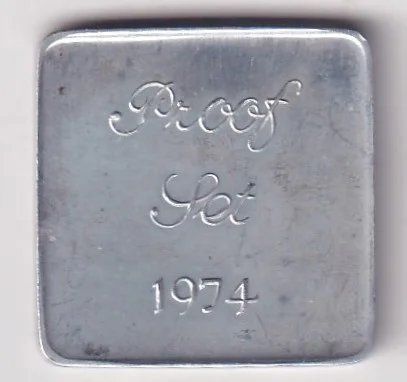
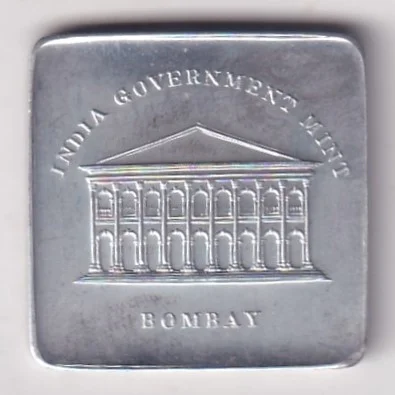
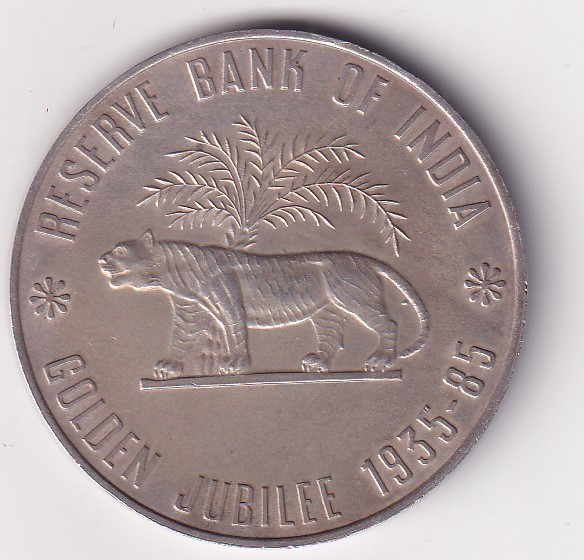
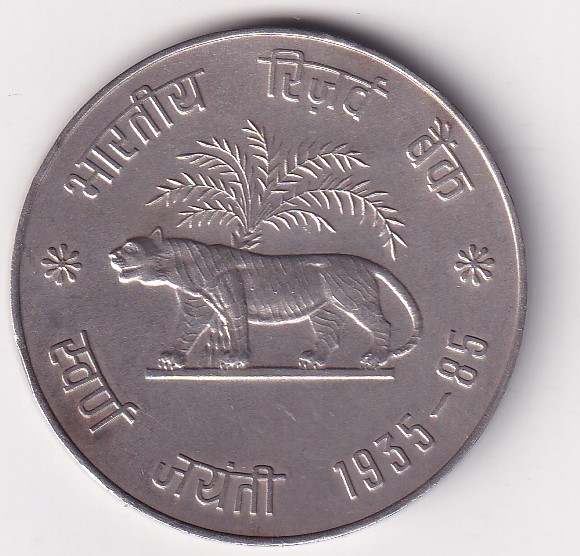
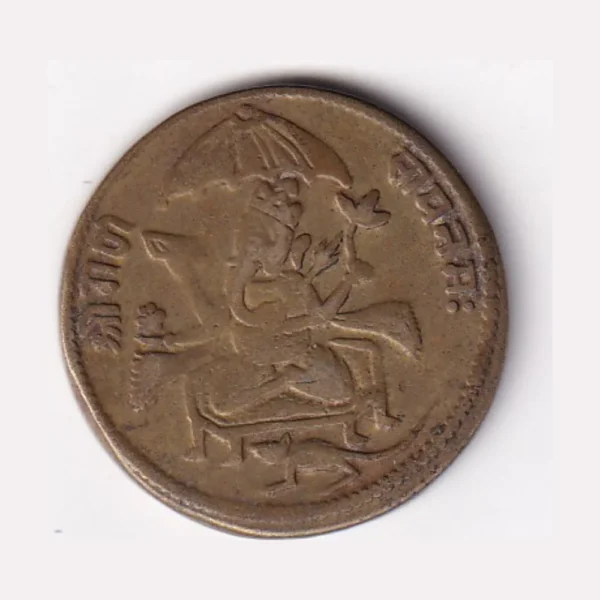
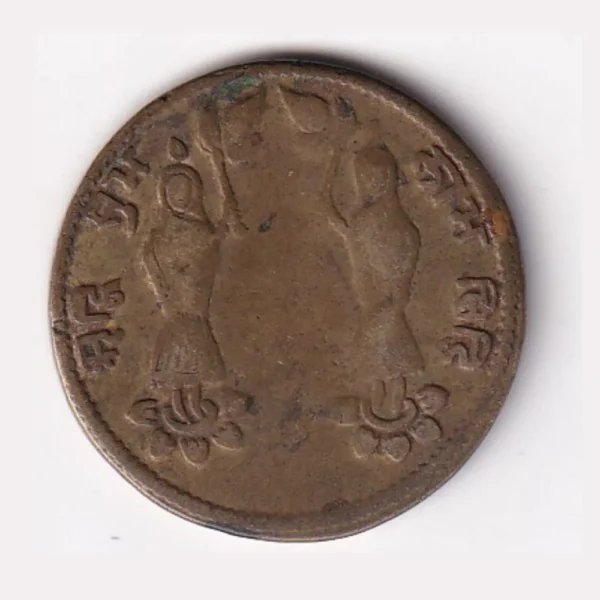
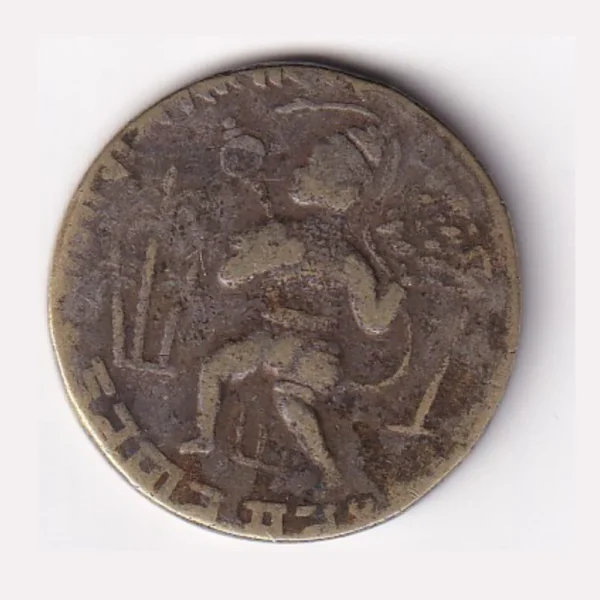
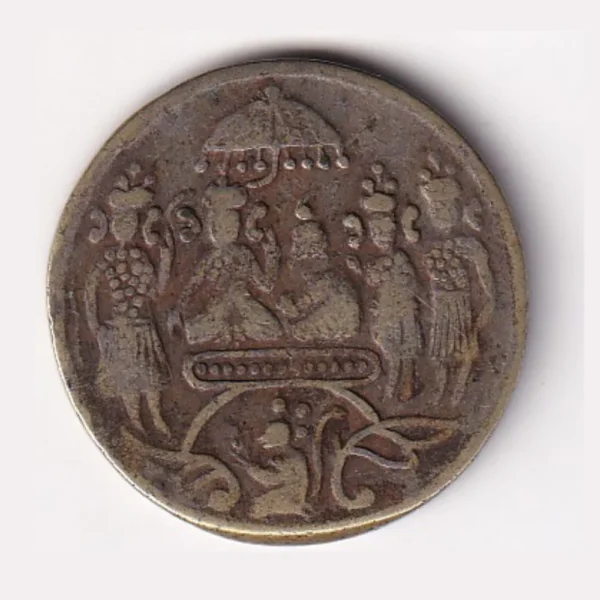
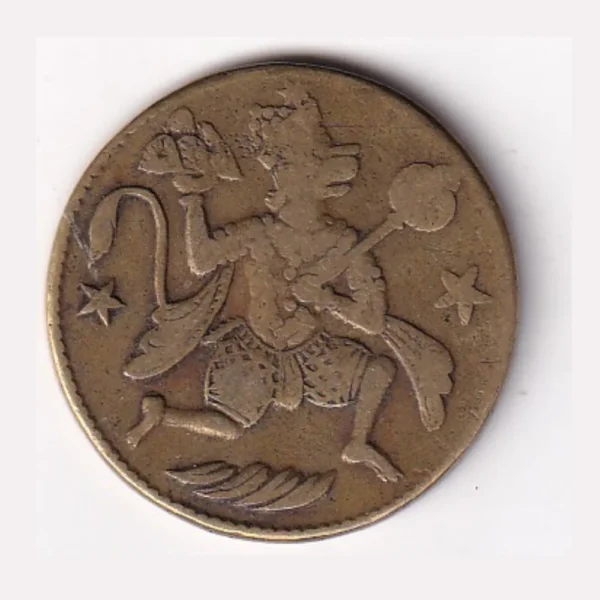
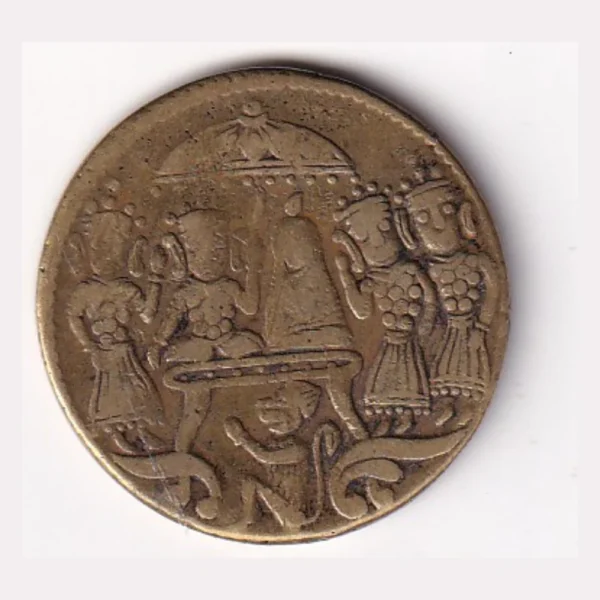
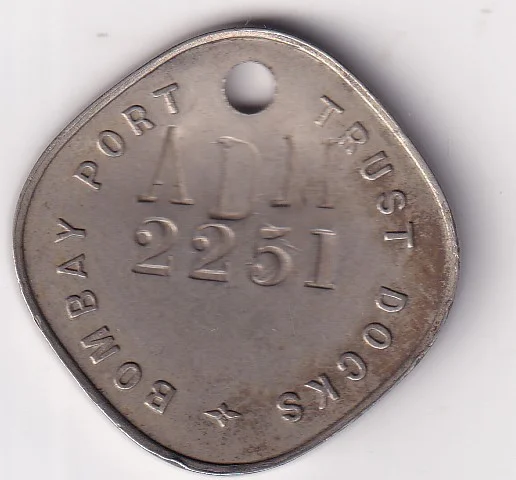
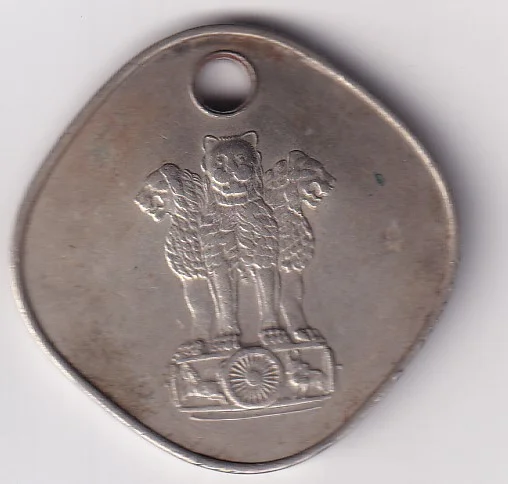
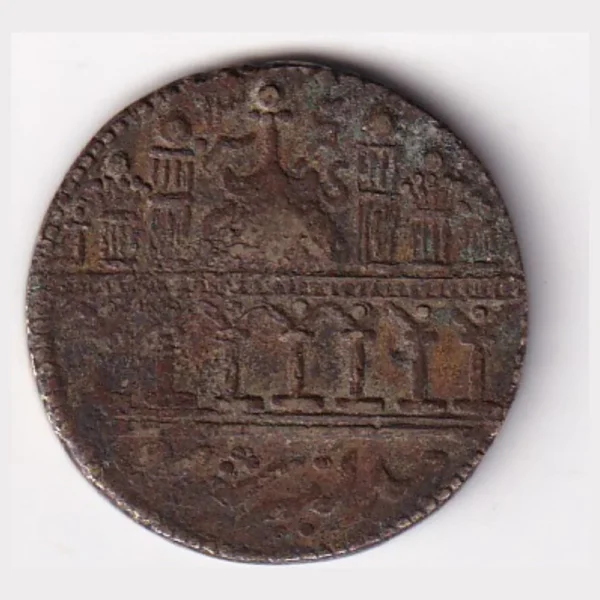
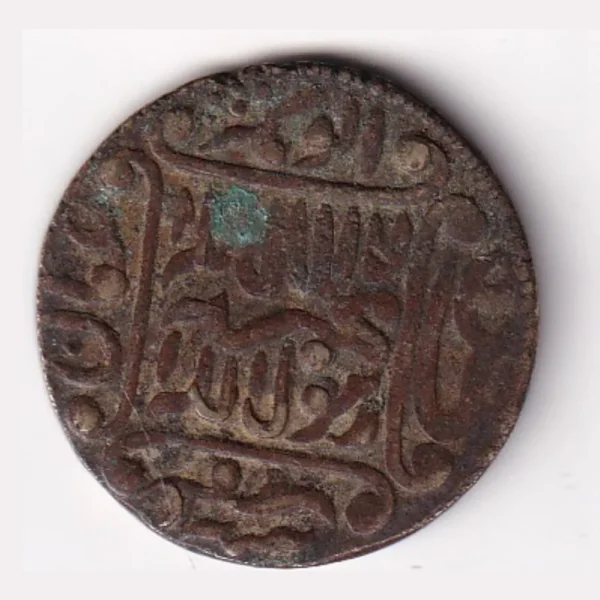
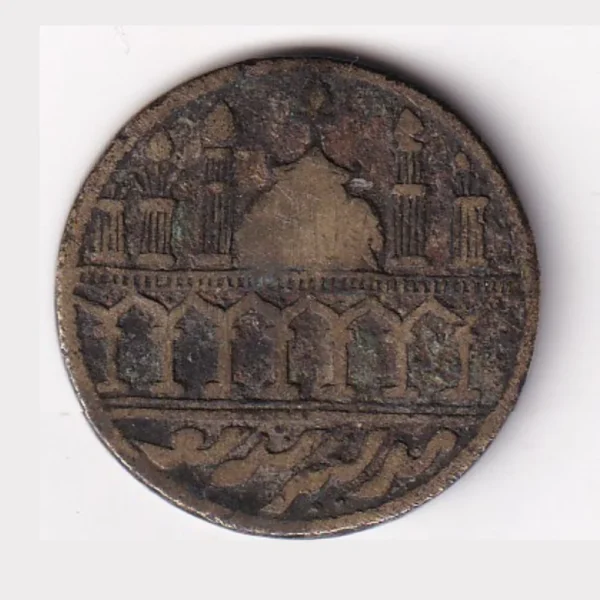
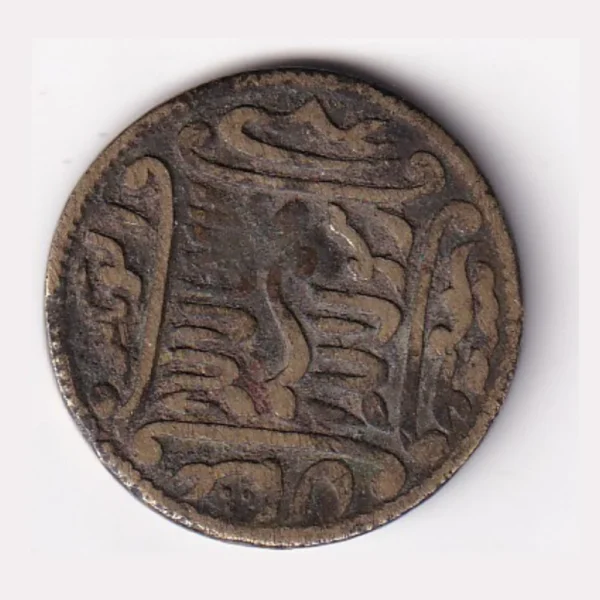
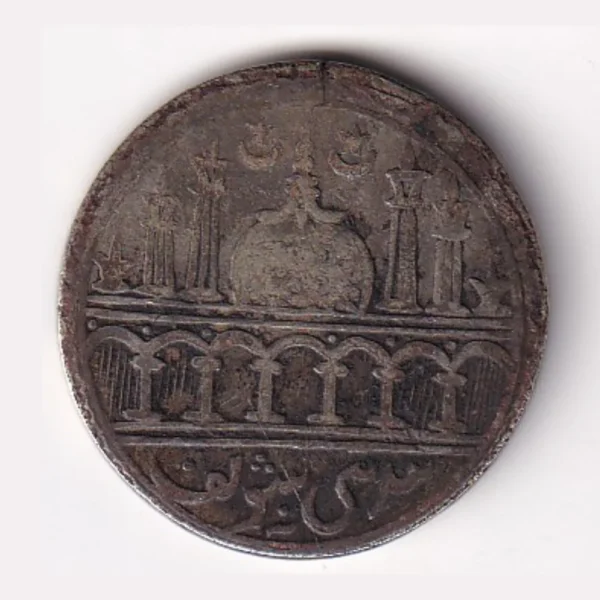
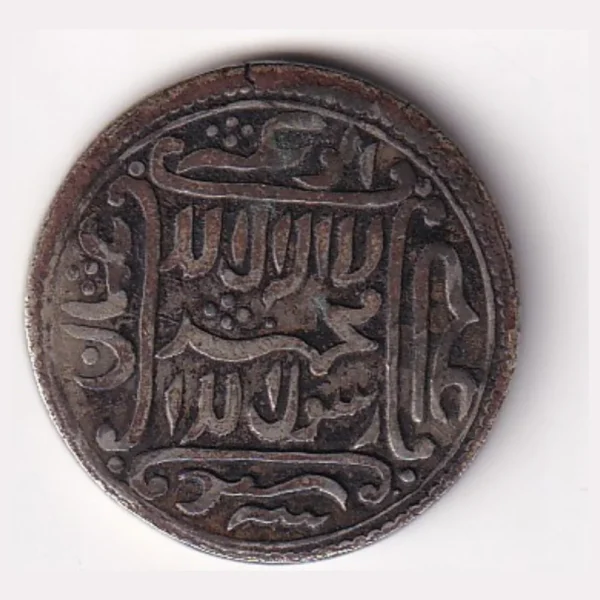
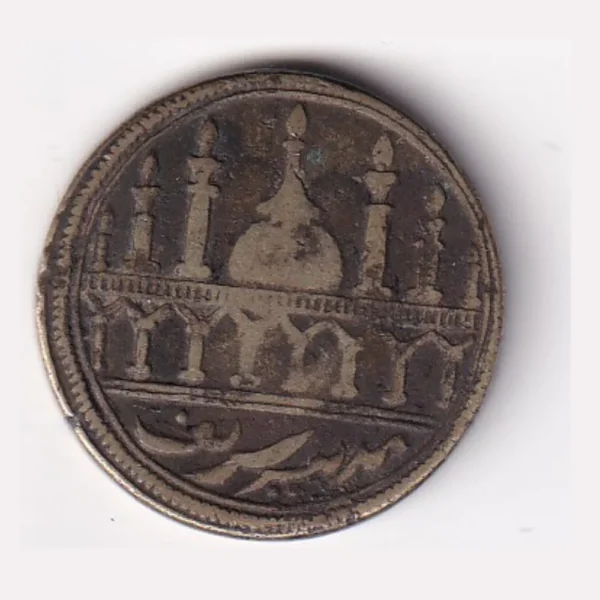
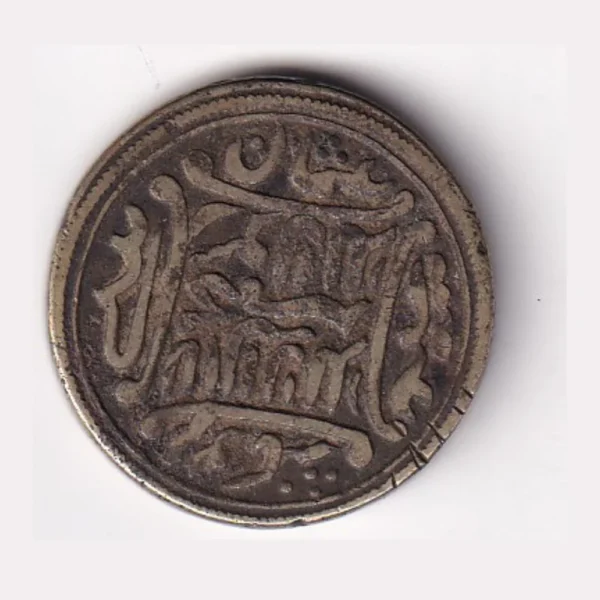
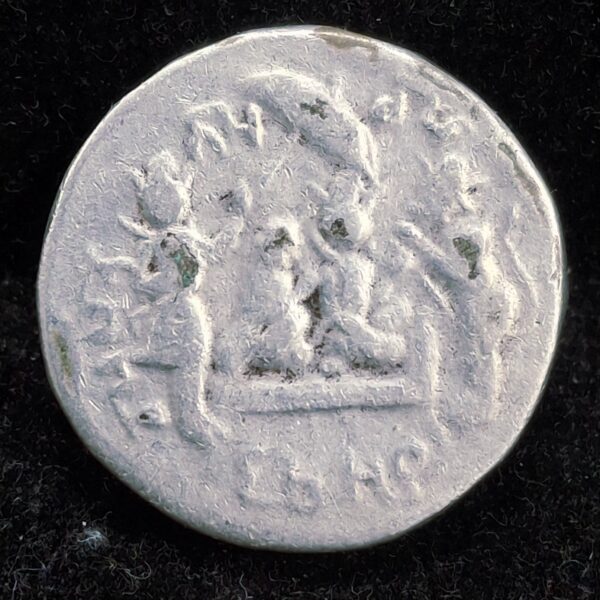
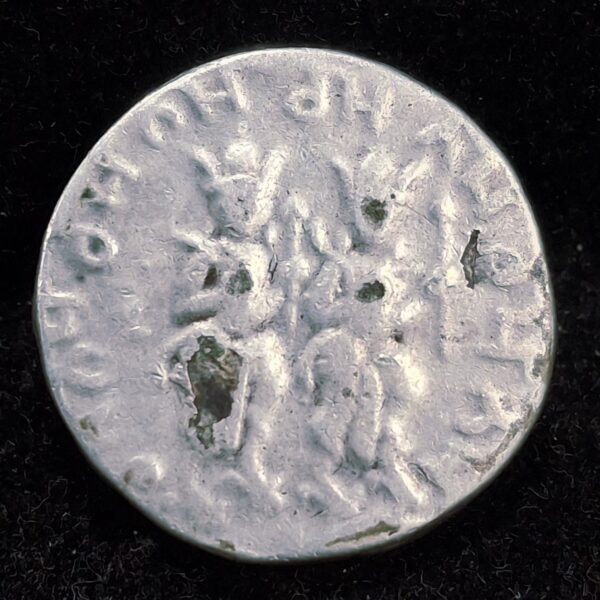
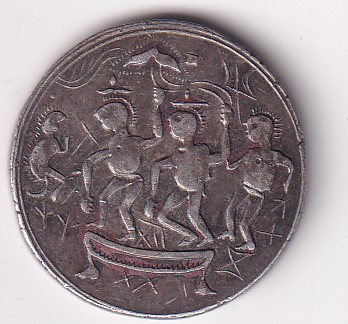
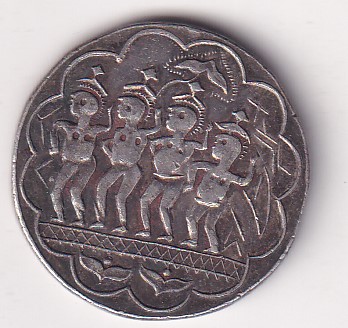
Welcome to our comprehensive tokens collection, where numismatic diversity meets historical documentation. In numismatics, tokens represent privately-issued pieces serving currency-like functions without being official government coinage. These fascinating token coins document commercial innovation, economic necessity, and social history across centuries and continents.
Understanding Tokens in Numismatics
Token meaning in the numismatic context refers to coin-like objects issued by private entities (businesses, organizations, municipalities) rather than governments. Unlike official currency with inherent legal tender status, tokens derive value from specific contexts: redeemability at issuing establishments, access to services (transportation, entertainment), gaming purposes within specific venues, or commemorative/promotional purposes.
Tokenization in traditional numismatics (distinct from modern digital tokenization meaning) refers to the practice of issuing these alternative currency instruments, often arising from: coin shortages during economic disruptions, business convenience (company stores, transit systems), gaming and entertainment venues, promotional marketing campaigns, and rationing systems during wartime.
Types of Numismatic Tokens
Trade Tokens: Issued by merchants and businesses, redeemable for goods or services. These token coins often bore business names, locations, and denominations, creating fascinating local history documentation. From general stores to saloons, trade tokens documented 19th and early 20th-century commerce before modern banking systems dominated.
Transportation Tokens: Perhaps the most common collectible tokens, transit tokens were issued by streetcar companies, bus systems, ferries, and bridges as prepaid fare instruments. Major cities worldwide issued distinctive transportation tokens, creating rich collecting opportunities organized by city, transit system, or era.
Gaming Tokens: Casinos, gaming halls, and amusement venues issued tokens for use within their establishments. These range from Old West saloon tokens through modern casino chips designed as collectibles.
Agricultural Tokens: In rural contexts, tokenization served agricultural commerce. Farmers received tokens redeemable at company stores or for services, documenting rural economic systems.
Military and Institutional Tokens: Military bases, prisons, and institutions issued tokens for internal economies, creating specialized collecting areas.
Commemorative Tokens: Issued for events, anniversaries, or promotional purposes, these tokens bridge numismatics and medallic art.
Historical Context and Significance
Tokens flourished during specific historical periods when official coinage proved inadequate. In America, the Civil War era saw massive private token production addressing coin shortages. Company towns issued tokens redeemable only at company stores, documenting controversial labor practices. Transit tokens dominated urban transportation from the 1880s through 1980s before electronic fare systems.
Internationally, tokens served similar purposes. British trade tokens from the Industrial Revolution, Canadian transportation tokens, and tokens from colonial territories document global economic history through small metal discs.
Token Coin Collecting
Collecting token coins offers unique advantages over traditional coin collecting:
Affordability: Most tokens remain remarkably affordable (₹100-1,000 range), making extensive collections accessible to average budgets.
Local History: Tokens document specific businesses, locations, and time periods, connecting collectors with community heritage.
Variety: Thousands of issuers across industries created virtually unlimited collecting possibilities.
Research Opportunities: Many tokens remain poorly documented, allowing collectors to contribute original research.
Visual Appeal: Many tokens feature attractive designs, advertising slogans, or artistic elements.
Historical Significance: Tokens document economic conditions, business practices, and social history tangibly.
Building a Token Collection
Collecting strategies include:
Geographic Focus: Collect tokens from your city, region, or areas with personal connections.
Type Focus: Specialize in transportation tokens, trade tokens, or specific industries.
Material Focus: Tokens were struck in brass, copper, aluminum, plastic, and other materials offering collecting dimensions.
Historical Period: Focus on specific eras like Civil War tokens, Prohibition-era speakeasy tokens, or Depression-era scrip.
Condition vs. Quantity: Decide whether to prioritize quality specimens or comprehensive coverage.
Authentication and Grading
While token counterfeiting is less common than coin counterfeiting (due to lower individual values), authentication remains important for rare pieces. Examine materials, striking characteristics, wear patterns, and compare against documented examples. Third-party authentication exists for valuable tokens.
Token Tokens vs. Modern Digital Concepts
Note: This category focuses on physical numismatic tokens—tangible historical artifacts. Modern digital/cryptocurrency concepts like curve dao token, lpn token, jwt token (JSON Web Token), sta token, and similar digital assets represent entirely different phenomena in blockchain and computer science contexts, not physical collectibles covered in this numismatic category.
Preservation and Display
Tokens require similar care to coins: proper storage in holders or albums, protection from moisture and corrosive environments, gentle handling, and organized cataloging. Many collectors create displays highlighting local history or specific themes.
Investment Potential
While most tokens remain affordable, rare examples from significant historical contexts (famous businesses, important transit systems, unusual materials) can appreciate significantly. Research and documentation enhance value through historical context.
Whether you're documenting local history through hometown merchants' trade tokens, assembling comprehensive transit token collections from major cities, or exploring agricultural tokens from rural America, our authenticated inventory provides access to these fascinating numismatic artifacts with detailed descriptions and fair pricing.
FAQs
1. What are numismatic tokens and how do they differ from coins?
Numismatic tokens are coin-like objects issued by private entities (businesses, transit companies, organizations) rather than governments, distinguishing them from official currency. Token meaning in numismatics encompasses pieces serving currency-like functions within limited contexts but lacking legal tender status. Key differences: Issuer: Coins issued by governments with sovereign authority; token coins issued by private businesses or organizations. Legal Status: Coins are legal tender by law; tokens have value only within specific contexts (redeemable at issuing establishments, admission to venues, etc.). Purpose: Coins serve general commerce; tokens serve specific functions (prepaid transit fares, company store credit, gaming chips). Backing: Coins backed by government authority; tokens backed by issuer's promise or limited utility. Collectibility: Both are numismatic collectibles, but tokens often more affordable and document local/commercial history while coins document national history. Token coins represent fascinating exonumia (non-governmental numismatic items) offering accessible, historically rich collecting opportunities documenting businesses, transportation systems, and social practices.
2. What types of tokens are most collectible?
Several token categories attract strong collector interest: Transportation Tokens: Transit tokens from streetcar, bus, subway, and ferry systems are highly collectible. Major cities (New York, Chicago, London, etc.) issued distinctive tokens creating geographic collecting opportunities. Trade Tokens: Merchant tokens from 19th-early 20th century businesses document local commercial history. Saloon tokens, general store tokens, and company store tokens are particularly sought. Civil War Tokens: American Civil War-era tokens (1861-1864) addressing coin shortages are extensively collected and catalogued. Hard Times Tokens: 1830s-1840s American tokens during economic depression document political and social commentary. Good For Tokens: "Good for 5¢ in trade" style tokens from various merchants across industries. Gaming/Casino Tokens: Historical gaming establishment tokens, Old West saloon chips, and vintage casino tokens blend numismatics with gambling history. Agricultural Tokens: Farm-related tokenization documenting rural economies. Milk Tokens: Dairy delivery tokens from door-to-door milk delivery era. Collecting strategies include geographic focus (hometown tokens), industry focus, or historical period specialization.
3. How much are tokens worth and are they a good investment?
Token coin values vary dramatically based on rarity, historical significance, condition, and collector demand. General value ranges: Common Tokens: Typical trade tokens, common transit tokens, and widely-produced pieces: ₹100-500. Scarce Tokens: Less common merchants, smaller transit systems, or better-preserved examples: ₹500-2,000. Rare Tokens: Unique merchants, rare materials (silver, gold), historical significance, or exceptional condition: ₹2,000-20,000+. Extremely Rare: Unique historical tokens, famous establishments, or museum-quality pieces: ₹20,000-200,000+. Investment Potential: Most tokens remain affordable collectibles rather than significant investments. However, rare examples with strong historical provenance appreciate steadily. Advantages for investors include undervalued market (less speculative than coins), strong local history interest supporting values, and research opportunities adding value through documentation. Best investment approach combines personal interest with strategic acquisition of well-documented, historically significant pieces. Unlike speculative digital tokens (curve dao token, lpn token, sta token), physical numismatic tokens offer tangible historical artifacts with established, stable collecting communities.
4. How do I identify and authenticate tokens?
Identifying and authenticating token coins requires research and careful examination: Research Resources: Token catalogues (Rulau's Standard Catalog of United States Tokens for American pieces, specialized references for other regions), online databases and collector forums, local historical societies (for hometown tokens), and specialized token collecting organizations. Physical Examination: Study material (brass, copper, aluminum, plastic, etc.), measure diameter and weight, examine edge characteristics (plain, reeded, lettered), inspect striking quality and wear patterns, and look for issuer information (business name, location, "Good For" denominations). Authentication Concerns: Token counterfeiting is less common than coin counterfeiting due to lower individual values, but valuable tokens warrant careful examination. Compare against documented examples, verify materials match known specifications, examine wear patterns (authentic circulation wear vs. artificial aging), and for valuable pieces, seek expert opinions. Documentation: Photograph both sides clearly, record measurements and materials, document provenance when known, and research issuer history. Proper identification enhances both collecting enjoyment and value through historical context.
5. What is the history of trade tokens in India?
While trade tokens are less extensively documented in India compared to Western nations, tokenization did occur in specific contexts: Colonial Period: British commercial establishments and tea plantations issued tokens in colonial India, creating numismatic artifacts documenting commercial practices. Princely States: Some princely states issued token-like pieces for specific purposes beyond regular coinage. Company Tokens: Tea estates in Assam and other plantation regions issued tokens ("batta" system) for workers, redeemable at company stores—documenting controversial labor practices. Transportation: Limited transit token usage in major Indian cities, though less extensive than Western systems. Modern Context: Contemporary promotional tokens and gaming tokens exist but lack the historical numismatic significance of 19th-20th century Western tokens. Agricultural Context: Some agricultural tokenization occurred in rural contexts, though documentation remains limited. For Indian collectors, Western tokens (particularly British and American) offer more extensive, well-documented collecting opportunities. However, researching Indian commercial token usage represents an underexplored area where collectors can contribute original scholarship documenting regional economic history through these fascinating numismatic artifacts.
6. How do transportation tokens document urban history?
Transportation tokens beautifully document urban development and transit evolution: System Documentation: Each transit system (streetcar, bus, subway, ferry) issued distinctive tokens identifying the operator, fare amount, and often the city. Collecting transit tokens from a single city documents its transportation evolution. Fare History: Token denominations document fare structures and economic conditions across decades. 5¢ streetcar tokens from 1900s vs. 50¢ subway tokens from 1980s show inflation and changing economics. Technology Evolution: Token designs evolved from simple brass discs to complex multi-metal compositions with security features preventing counterfeiting, documenting anti-fraud technology progression. Merger Documentation: Transit company consolidations appear in token changes—small private companies being absorbed into municipal systems, documented through token variations. Design Elements: Many tokens featured attractive designs—city landmarks, transit vehicle illustrations, or artistic elements—creating appealing collectibles beyond historical significance. Geographic Coverage: Major cities worldwide (New York, Chicago, London, Paris, Tokyo) issued extensive token series, while smaller systems produced scarce pieces. End of Era: Most systems transitioned to electronic fare payment (1980s-2000s), making tokens historical artifacts of now-obsolete technology. Transportation token collecting offers manageable scope, attractive pieces, and tangible urban history connections.
7. What are Civil War tokens and why are they significant?
Civil War tokens represent one of America's most important token series, issued 1861-1864 during massive coin shortages when citizens hoarded precious metal coins amid economic uncertainty. Token meaning during this period expanded to fill monetary gaps. Two main types: Patriotic Civil War Tokens: Featured patriotic designs, political slogans, military themes, and pro-Union (occasionally pro-Confederate) imagery. These documented public sentiment and political discourse during America's crisis. Over 10,000 varieties exist, catalogued extensively. Store Card Tokens: Merchant tokens serving as both advertising and currency substitutes, bearing business names and locations. These document specific businesses operating during the war. Significance: Historical Documentation: Civil War tokens tangibly document economic disruption and civilian adaptation during wartime. Political Expression: Patriotic tokens show public opinion, propaganda, and political debates. Economic History: Demonstrate how private tokenization filled governmental monetary failure. Numismatic Innovation: Represented America's largest private coinage episode, establishing token collecting as a serious numismatic pursuit. Accessibility: Remain relatively affordable (₹500-5,000 for most types), allowing comprehensive collections. Research Opportunities: Continuous discoveries and new attributions offer active research. Civil War token collecting combines affordable accessibility with profound historical significance, making them popular among American numismatists and history enthusiasts.
8. How should I store and preserve my token collection?
Proper token storage ensures long-term preservation: Individual Storage: Coin Holders: 2x2 cardboard/mylar holders (most common, affordable, protective), hard plastic capsules (for valuable tokens), or archival flips (for long-term preservation). Album Storage: Token Albums: Specialized albums with appropriately-sized holes, coin albums with adjustable holders, or custom albums for specific collections (transit tokens by city, trade tokens by state). Environmental Considerations: Store in cool, dry locations (avoid basements, attics with temperature/humidity extremes), use archival-quality materials (PVC-free plastic), avoid direct sunlight, and control humidity (30-50% relative humidity ideal). Handling: Handle by edges only, avoid touching faces, wear cotton gloves for valuable pieces, and clean gently only when necessary (usually just light dust removal). Organization: Catalog systematically (by type, location, date, issuer), photograph both sides, record details (measurements, materials, conditions), and document provenance. Security: For valuable collections, consider safes or safe deposit boxes, insurance for significant collections, and discrete storage (don't advertise valuable holdings). Display: Rotating displays (don't expose all tokens to light continuously), UV-protective frames if displaying, and regular inspection for environmental damage. Proper preservation maintains both physical condition and collecting value while allowing enjoyment.
9. Are there modern collectable tokens being issued?
Yes, modern token production continues, though contexts differ from historical examples: Commemorative Tokens: Events, anniversaries, and organizations issue commemorative tokens for participants or collectors—similar to medals but token-formatted. Gaming Tokens: Casinos and gaming establishments continue producing tokens, though many transitioned to electronic systems. Collectible casino tokens exist as specialty items. Promotional Tokens: Businesses occasionally use tokens for marketing campaigns or customer loyalty programs. Replica Tokens: Historical token reproductions for educational purposes or collector interest (clearly marked as replicas). Arcade Tokens: Modern amusement venues and arcades issue tokens, though declining with electronic systems. Cryptocurrency "Tokens": Note that modern digital "tokens" (curve dao token, lpn token, sta token, jwt token, etc.) are entirely different—blockchain-based digital assets, not physical collectible numismatic items. These exist in virtual form only. Collecting Modern Tokens: Generally less historically significant than vintage tokens (lacking the economic necessity context), but contemporary issues may become historically interesting decades hence. Serious numismatic collectors typically focus on historical tokens (pre-1980s) with documented economic/social significance. Modern commemorative tokens serve more as souvenirs or medals than authentic tokenization as historically practiced. The transition to electronic systems ended the practical token era, making historical pieces genuine artifacts of obsolete commercial practices.
10. What resources exist for learning about and collecting tokens?
Numerous resources support token collecting: Reference Books: "Standard Catalog of United States Tokens" by Russell Rulau (comprehensive American token reference), specialized books on Civil War tokens, Hard Times tokens, and transit tokens, regional token catalogues (California tokens, New York tokens, etc.), and international token references (British tokens, Canadian tokens). Online Resources: Token collecting websites and databases, online auction archives showing realized prices, digital collections from museums and libraries, and collector forums and discussion groups. Organizations: Token and Medal Society (TAMS) - premier organization for exonumia collectors, American Numismatic Association (includes token collecting), specialized groups (Civil War Token Society, transportation token collectors), and local coin clubs often including token collectors. Dealers: Specialized token dealers (often at coin shows), online marketplaces (eBay, specialized numismatic platforms), and auction houses (for rare tokens). Research Methods: Local historical societies (for hometown merchant tokens), old newspapers and city directories (identifying token issuers), library archives and photograph collections (documenting businesses), and cemetery records (researching token issuer biographies). Starting Recommendations: Join TAMS or similar organizations, acquire basic reference books, attend coin shows (token dealers often present), and start with affordable local tokens (hometown connections enhance enjoyment). Token collecting offers accessible entry points, rich historical connections, and active, welcoming collector communities supporting newcomers.