

World Coins
Discover our extensive collection of world coins—authentic numismatic treasures from over 200 countries spanning ancient civilizations to modern nations. Our curated world coin collection features rare and common issues documenting global monetary history, from the oldest coin in the world dating back millennia to contemporary circulation pieces.
Whether you’re seeking the rarest coin in the world, building comprehensive country collections, or exploring thematic sets, our authenticated inventory caters to all collecting interests. We provide transparent world coin price in India information, current world coin values, and detailed historical context for each piece.
Perfect for collectors specializing in foreign numismatics, geography enthusiasts documenting nations through currency, or investors seeking the most valuable coin in the world specimens. From affordable modern circulation coins to premium ancient rarities and the most expensive coin in the world tier pieces, explore authenticated international coinage with comprehensive documentation and fair pricing.
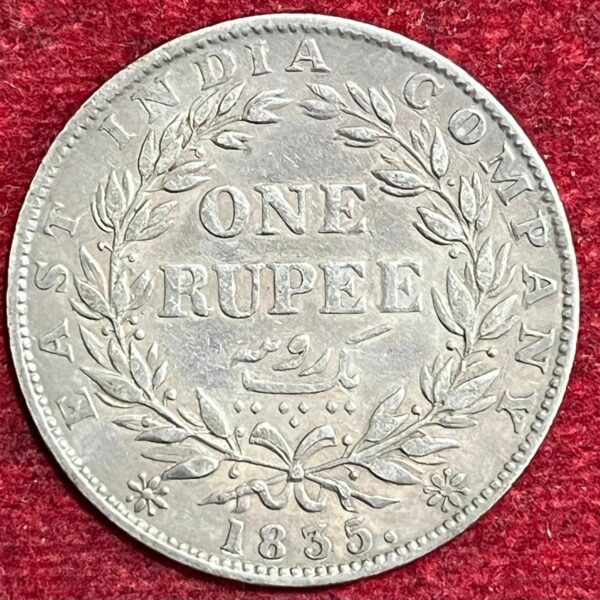
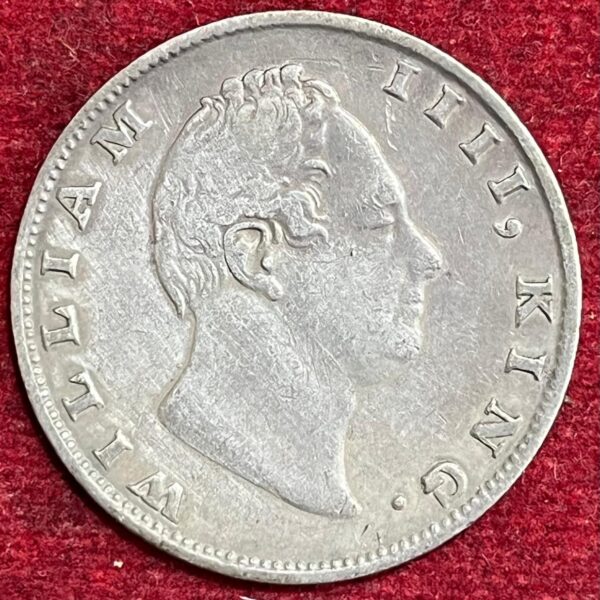
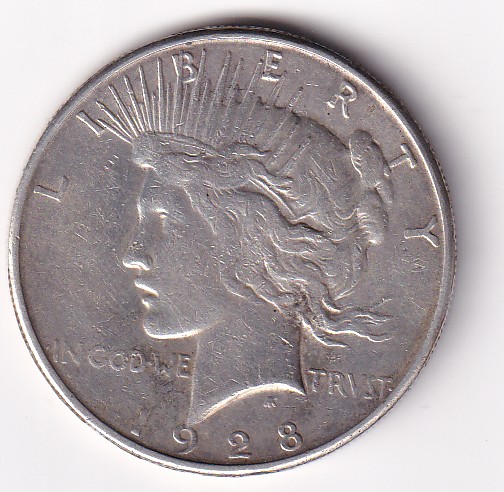
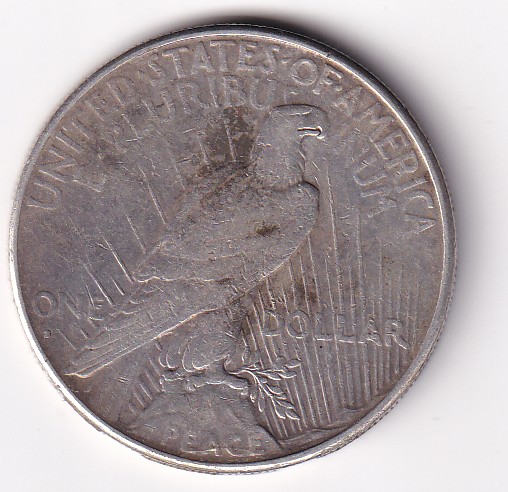
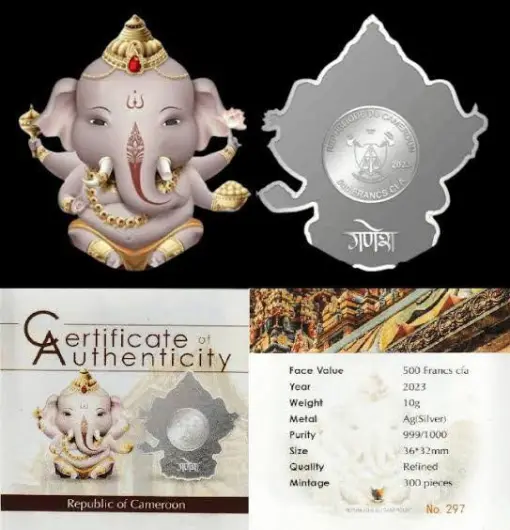
500 Francs Cameroon Very Unique Ultra Rare Pure Silver Ganesha Coin Minitage 300 pcs only Ultra Rare
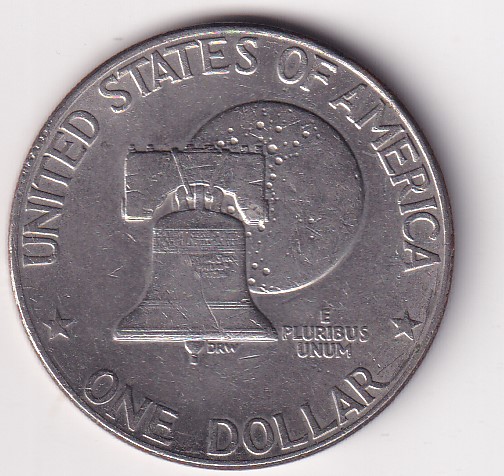
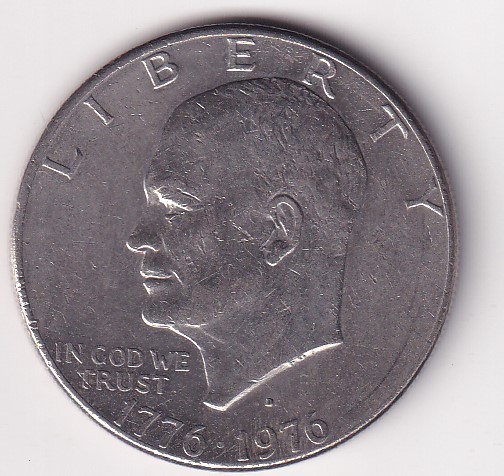
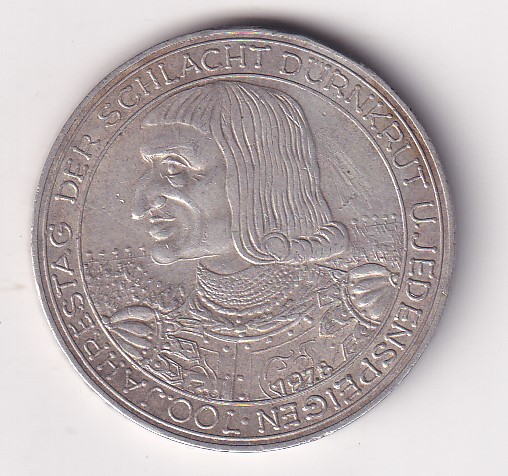
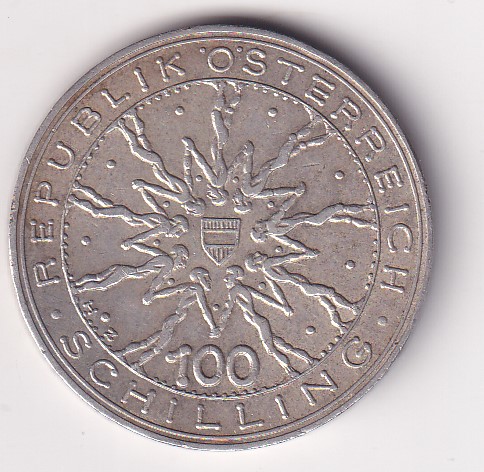
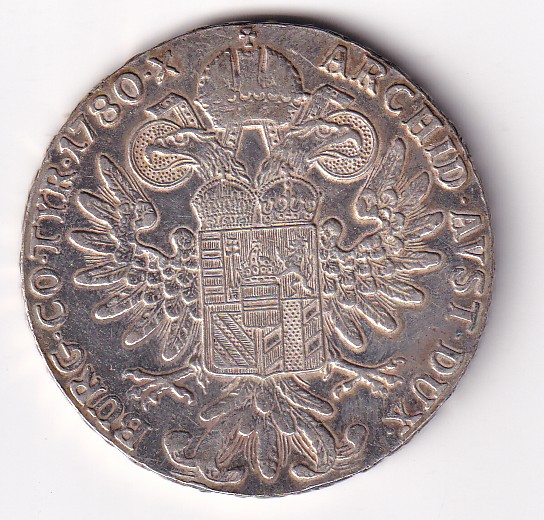
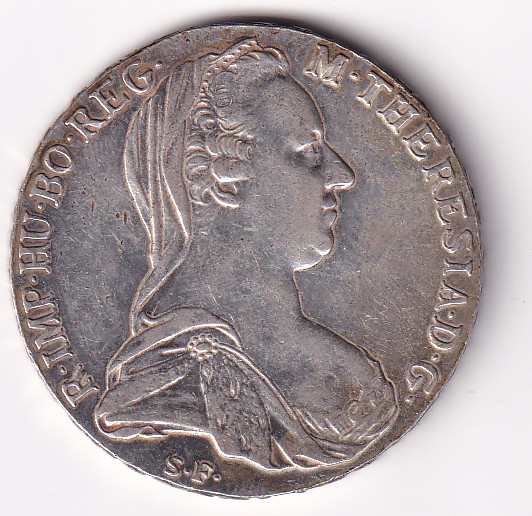
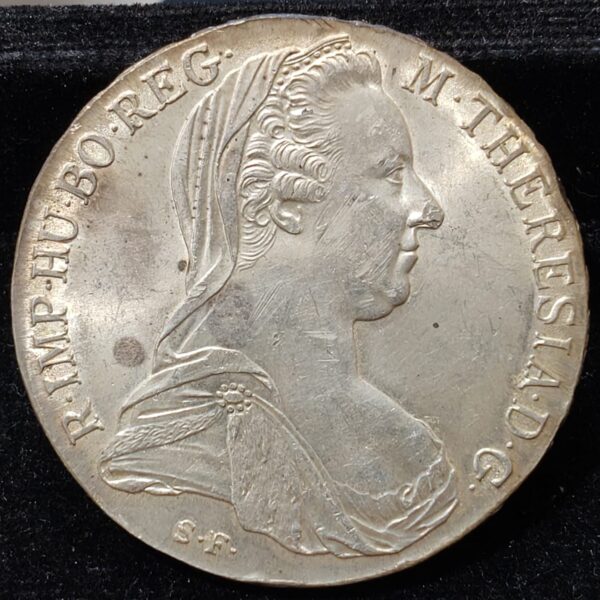
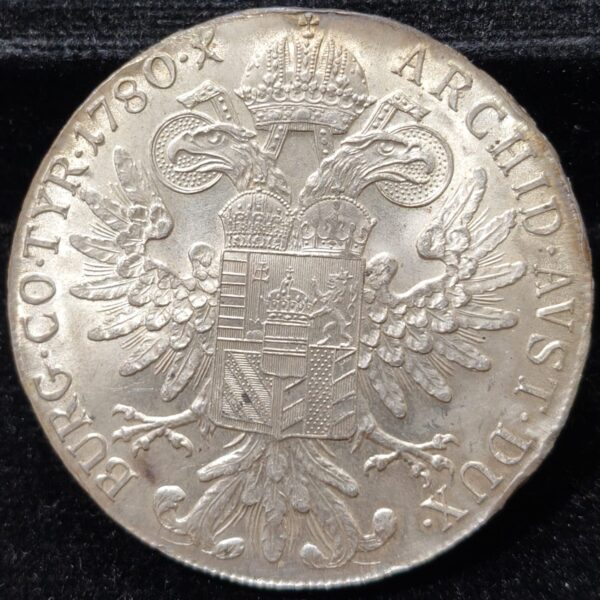
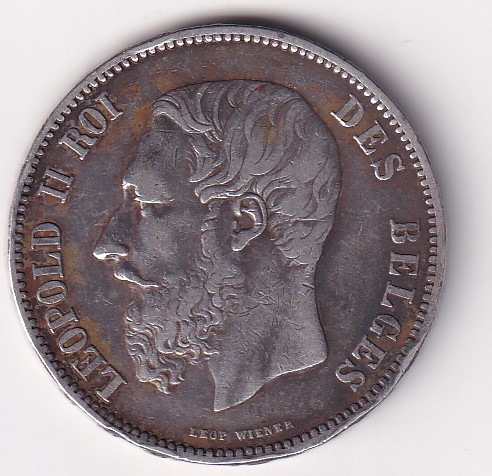
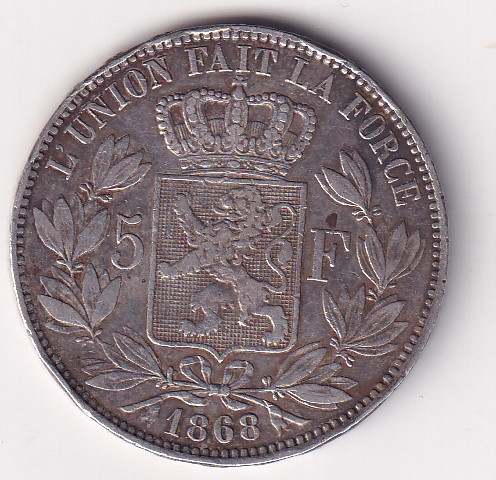
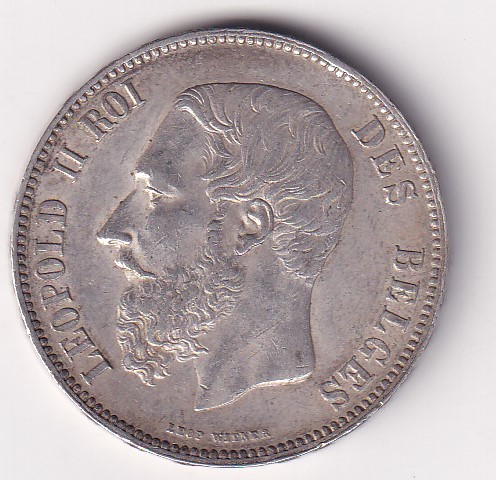
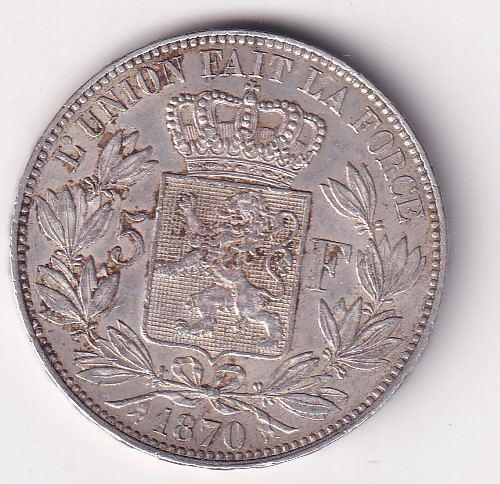
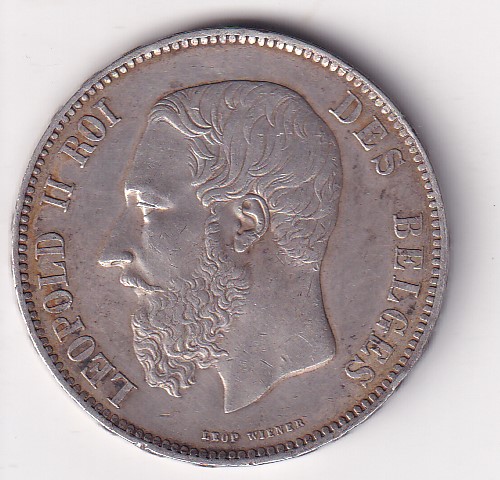
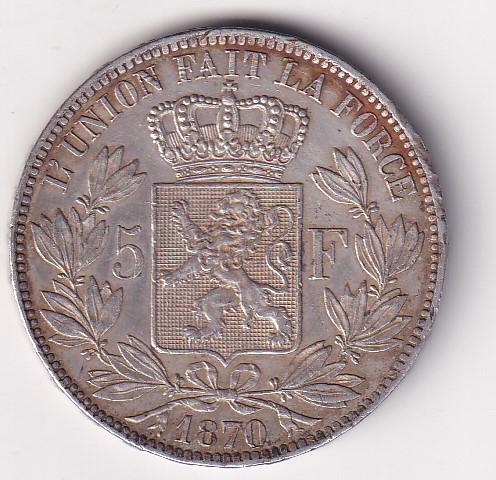
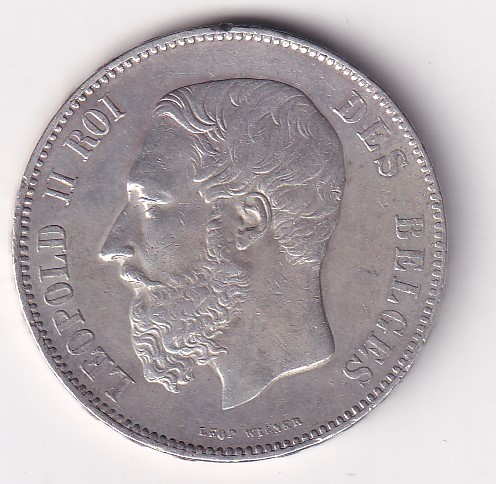
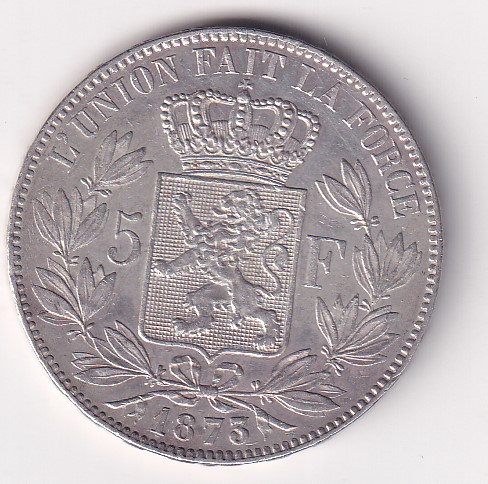
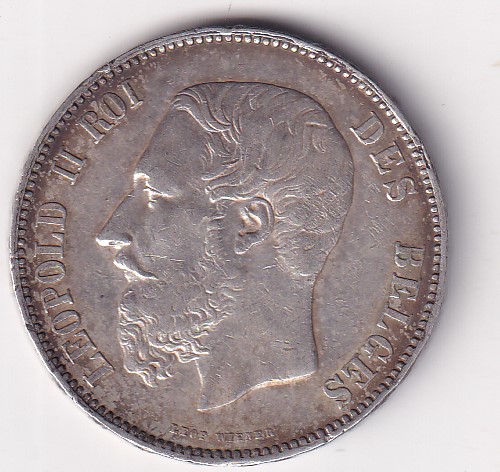
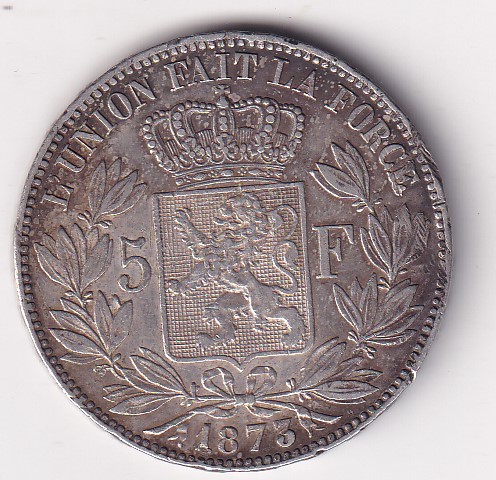
Welcome to our comprehensive world coins collection, where global numismatic heritage meets collecting passion. What is world coin collecting? It encompasses all non-domestic coinage—for collectors anywhere, world coins represent foreign currency from other nations, creating virtually unlimited collecting possibilities across 200+ countries and thousands of years of monetary history.
Understanding World Coin Collecting
World coin numismatics offers extraordinary diversity compared to single-country collecting. Benefits include virtually unlimited scope (every nation that ever issued coinage), cultural education (learning history, geography, and politics through currency), artistic variety (diverse designs reflecting global cultures), accessibility (many world coins remain affordable despite age or scarcity), and specialization opportunities (collecting by continent, theme, time period, or specific countries).
Our world coin collection provides authenticated access to this fascinating field, from ancient Greek and Roman coins through medieval European issues, colonial currencies, modern republic coinage, and contemporary circulation pieces documenting today's global economy.
World Coin Categories
Ancient World Coins: The oldest coin in the world specimens date to 7th century BCE Lydia (modern Turkey), where the first standardized coinage appeared. Our ancient collection includes Greek city-state coins, Roman Imperial issues, Byzantine pieces, ancient Chinese cash coins, and ancient Indian punch-marked coins documenting humanity's earliest monetary systems.
Medieval and Renaissance: European medieval coins showing feudal monetary fragmentation, Islamic caliphate coinage spanning vast territories, Asian dynasty coins (Chinese, Japanese, Indian sultanates), and pre-Columbian American cultures' monetary objects.
Colonial Era: Coinage from European colonial powers across Africa, Asia, and Americas, documenting imperial expansion and local adaptations.
Modern World Coins: Contemporary circulation and commemorative coins from current nations, documenting political changes (new nations, regime changes), economic developments (currency reforms, denominations), and cultural celebrations (commemoratives, special issues).
Record-Breaking World Coins
Most Expensive Coin in the World: The 1794 Flowing Hair Silver Dollar holds records exceeding $10 million at auction. The most valuable coin in the world category includes the 1933 Double Eagle ($18+ million), 1787 Brasher Doubloon ($9+ million), and 1343 Edward III Florin ($6+ million). These represent the expensive coin in the world pinnacle where rarity, historical significance, and condition converge.
Rarest Coin in the World: Defining the rarest coin in the world challenges experts—candidates include unique specimens like certain ancient coins with single surviving examples, error coins from modern mints with only a few escaping destruction, and pattern coins never officially released. The most wanted rarest coin in the world often depends on specific collecting specialties.
Oldest Coin in the World: Lydian electrum coins (circa 600 BCE) represent humanity's first true coinage, making them the first coin in the world in the modern sense of standardized, state-issued currency.
Biggest Coin in the World: The 2012 Canadian $1 Million Maple Leaf coin (100kg, 99.999% pure gold) holds modern records, while historical examples include massive Swedish plate money.
Smallest Coin in the World: Indian gold fanams and ancient Greek hemitetartemorion (1/8 obol) represent tiny historic issues, while modern Switzerland issued 1/4 Rappen coins under 2mm diameter.
World Coin Values and Pricing
Understanding world coin values requires considering multiple factors: rarity (mintage numbers, survival rates), condition (graded quality significantly affects prices), historical significance (key dates, important events), precious metal content (gold, silver coins have intrinsic value floors), and collector demand (popular countries command premiums).
Our transparent world coin price in India listings reflect current market conditions. The world coin price INR conversions help Indian collectors assess purchases from international sources. We provide world coin to INR calculations for foreign-denominated coins, factoring both numismatic value and currency exchange.
Building World Coin Collections
Geographic Approach: Collect by continent (European coins, Asian coins, African coins), by region (Southeast Asian coins, Scandinavian coins), or by country (comprehensive Germany, Japan, or Mexico collections).
Thematic Collecting: Animals on coins, ships and maritime themes, famous leaders, architectural monuments, Olympic commemoratives, or space exploration themes appearing across multiple nations.
Chronological Focus: Collect coins from specific eras—ancient world, medieval period, 19th century, 20th century, or contemporary issues.
Type Collecting: Acquire representative examples from each country regardless of date or variety, creating comprehensive geographic documentation.
Denomination Sets: Collect complete denomination sets from specific countries or eras.
Authentication and Research
World coin authentication requires specialized knowledge across multiple monetary systems, languages, and historical periods. We authenticate every piece through comparative analysis with reference materials, metallurgical testing when appropriate, weight and dimensional verification, and expert consultation for rare or questionable pieces.
Resources like world coin news publications, world coin auctions results, and specialized references help collectors stay informed about market trends, new discoveries, and authentication standards.
Investment Considerations
World coin collecting offers investment potential, particularly in rare ancient coins with proven appreciation, key-date modern rarities from popular countries, precious metal coins benefiting from metal value plus numismatic premiums, and historically significant pieces from pivotal moments (independence, revolutions, currency reforms).
The coin trade world encompasses international dealers, auction houses, and collector networks providing liquidity for quality pieces, though market sophistication varies by region and specialty.
Whether you're beginning your first world coin collection with affordable modern pieces or seeking museum-quality rarities representing the best coin in the world categories, our authenticated inventory provides access to global numismatic heritage with expert guidance and fair pricing.
FAQs
1. What are world coins and why collect them?
World coins are foreign currency from countries other than your own, encompassing all international coinage across history and geography. What is world coin collecting? It's acquiring and studying coins from multiple nations, creating collections documenting global monetary history, cultural diversity, and artistic traditions. Why collect world coins? Unlimited Variety: 200+ countries, thousands of years, millions of coin types offer endless collecting possibilities. Educational Value: Learn world history, geography, politics, and culture through tangible artifacts. Affordability: Many world coins remain inexpensive despite age or foreign origin—building substantial collections on modest budgets is possible. Artistic Diversity: Experience global artistic styles, languages, and iconography. Specialization Options: Focus on continents, specific countries, historical periods, or themes (animals, ships, famous people). Investment Potential: Rare world coins, particularly ancient issues and key-date modern pieces, appreciate significantly. Community: Active international collector networks facilitate trading, research, and friendship. World coin collection appeals to curious minds appreciating diversity and tangible connections to global heritage through accessible, fascinating numismatic artifacts.
2. What is the most expensive coin in the world?
The most expensive coin in the world title belongs to the 1794 Flowing Hair Silver Dollar, which sold for over $10 million, though the 1933 Double Eagle holds records approaching $19 million at certain sales. The most valuable coin in the world and expensive coin in the world categories include: 1933 Saint-Gaudens Double Eagle ($18.9 million, 2021)—illegal to own except specific examples, creating extreme rarity. 1794 Flowing Hair Silver Dollar ($10+ million)—first year of US federal coinage, historical significance. 1787 Brasher Doubloon ($9.36 million)—early American goldsmith piece. 1343 Edward III Florin ($6.8 million)—extremely rare medieval English gold coin. Umayyad Gold Dinar ($6 million)—early Islamic coinage. These prices reflect perfect storms of extreme rarity (few or single surviving examples), historical significance (first issues, pivotal moments), pristine condition (gem quality), provenance (famous collections), and wealthy bidder competition. For most collectors, these represent aspirational trophies rather than realistic acquisitions—but they demonstrate numismatics' investment potential and historical importance.
3. What is the rarest coin in the world?
Determining the rarest coin in the world and most wanted rarest coin in the world challenges experts because "rarest" can mean different things. Candidates include: Unique Specimens: Coins with literally one known example—certain ancient coins lost to history except single survivors, pattern coins never officially released, or error coins destroyed except escapees. Example: 1343 Edward III Double Leopard (one known). Extremely Limited Survivors: Coins with 2-5 known examples. Example: 1913 Liberty Head Nickel (5 known). Inaccessible Rarities: Coins in permanent museum collections or legally restricted from private ownership. Example: 1933 Double Eagles (most destroyed, few legal for private ownership). Ancient Rarities: Certain Greek city-state coins, early Roman pieces, or ancient Near Eastern coins with single surviving examples. Rarity Factors: Original mintage (lower = rarer), survival rate (disasters, melting, loss), legal restrictions (confiscations, prohibitions), and collector awareness (newly-discovered rarities unknown until recent). The most rare coin in the world might be an unknown ancient piece awaiting discovery, while the most wanted rarest coin in the world among collectors varies by specialty—American collectors covet 1913 Liberty Nickels, while ancient specialists seek rare Greek rarities.
4. What is the oldest coin in the world?
The oldest coin in the world depends on how we define "coin." The first coin in the world in the modern sense (standardized, state-issued, guaranteed weight/purity) appeared in Lydia (modern Turkey) circa 600 BCE. These earliest coins were electrum (natural gold-silver alloy) stamped with official marks guaranteeing value. Timeline of early coinage: Circa 600 BCE: Lydian electrum staters—first standardized coinage. Circa 560 BCE: Croesus of Lydia introduced separate gold and silver coins—first pure metal coinage. Circa 550-500 BCE: Greek city-states adopted coinage, creating diverse early types. Circa 400 BCE: Persian Empire issued standardized gold darics and silver sigloi. Circa 300 BCE: Indian subcontinent punch-marked coins. Circa 200 BCE: Roman Republic silver denarius established long-lasting standard. Pre-Coinage: Before standardized coinage, various cultures used proto-money including ancient Chinese cowrie shells and bronze implements, Mesopotamian metal ingots with marks, Egyptian gold rings as value standards, and commodity money (livestock, grain). The oldest coin in the world specimens represent humanity's revolutionary invention: trusted, portable, standardized value transfer mechanisms enabling complex trade, taxation, and economic development that shaped civilization's trajectory.
5. How much are world coins worth and how do I determine values?
World coin values vary dramatically from face value (modern circulation coins) to millions (record rarities). Determining world coin price in India or elsewhere requires considering multiple factors: Rarity: Low mintage numbers, few survivors, or discontinued issues command premiums. Condition: Graded quality (Poor through Mint State) dramatically affects prices—MS-65 examples worth 10-100x damaged specimens. Precious Metal Content: Gold and silver coins have intrinsic melt value floors plus numismatic premiums. Historical Significance: Coins from important events, first/last years, or pivotal moments carry premiums. Collector Demand: Popular countries (US, UK, Germany, Japan) show stronger markets than obscure nations. Valuation Resources: World coin price INR and world coin to INR conversions available through Standard Catalog of World Coins (Krause publications)—comprehensive multi-volume references, online price guides and auction archives, specialized country catalogues, professional appraisers and dealers, and coin shows where dealers provide estimates. Price Ranges: Common modern circulation coins: ₹10-100, older circulation coins (pre-1960): ₹100-1,000, scarce dates/mintmarks: ₹1,000-10,000, rare issues in high grades: ₹10,000-100,000+, and extreme rarities: ₹100,000-millions. Always verify authenticity before valuation—many counterfeit world coins exist, particularly expensive coin in the world category pieces.
6. What are the best world coins to collect for beginners?
Starting a world coin collection requires balancing interest, affordability, and educational value. Best beginning approaches: Modern Circulation Coins: Affordable: Often available at or near face value. Available: Easy to obtain through currency exchanges, online dealers, or collector trades. Educational: Learn current nations, currencies, and designs. Suggestions: Build type sets (one coin from each country), collect by continent (all European nations), or focus on specific denominations (all one-dollar/euro/pound equivalents). 20th Century Type Sets: Representative coins from various countries spanning 1900-2000, showing design evolution and historical changes (colonies gaining independence, regime changes). Typically ₹100-1,000 per coin. Thematic Collections: Animals: Coins featuring wildlife from various nations. Ships: Maritime themes appearing globally. Famous People: Leaders, scientists, artists across countries. Architecture: Buildings and monuments worldwide. Advantages: Focused collecting across multiple countries, educational about specific subjects, and often affordable. Regional Focus: Concentrate on one continent or region (Southeast Asia, Scandinavia, Middle East), learning geography and regional history through comprehensive coverage. What to Avoid Initially: Ancient coins (require authentication expertise, expensive), rare dates/mintmarks (demand experience identifying), heavily counterfeited issues (need authentication skills), and extremely expensive pieces. Starting with affordable, easily authenticated modern pieces builds knowledge foundation supporting more advanced collecting as expertise grows.
7. How can I authenticate world coins and avoid counterfeits?
World coin authentication requires vigilance because counterfeits exist across all categories. Authentication methods: Weight and Dimensions: Compare against published specifications—counterfeits often show weight/size discrepancies. Use precision scales and calipers. Metal Composition: Genuine coins use specific metals—magnetic testing (silver/gold aren't magnetic), density calculations (Archimedes principle), and XRF analysis (for valuable pieces) verify composition. Strike Characteristics: Examine under magnification—genuine coins show appropriate die characteristics, counterfeits often display mushy details, incorrect fonts, or wrong design elements. Edge Examination: Check reeding, lettering, or plain edges matching specifications. Sound Test (for silver): Genuine silver coins produce distinctive "ring" when tapped; fakes sound dull. Comparison: Compare against known authentic examples—use reference books with detailed photographs or examine certified examples. Common Counterfeits: Chinese counterfeits (mass-produced fakes of popular coins), cast copies (identifying casting bubbles/pitting), altered dates (genuine coins with dates changed), and wrong metal strikes (base metal pieces with gold/silver plating). Red Flags: Prices too good to be true, unknown sellers without guarantees, coins from high-counterfeit regions (China) without certification, and suspicious patina or wear patterns. Third-Party Grading: For valuable world coins, professional authentication by PCGS, NGC, or other services provides confidence, though costs justified only for higher-value pieces. When uncertain, consult expert dealers or collector organizations before purchasing expensive coin in the world category pieces.
8. What are the biggest and smallest coins in the world?
Record-breaking world coins demonstrate numismatic extremes. Biggest Coin in the World: 2012 Canadian $1 Million Gold Maple Leaf: 100kg, 99.999% pure gold, 53cm diameter—modern record holder. Swedish Plate Money (1644-1768): Copper plates up to 19.7kg used as high-denomination currency—historical record. 1991 $10,000 Australian Kangaroo: 1kg gold coin. 2007 $1 Million Canadian Coin: Original modern giant coin (before larger versions). Practical Issues: Biggest coins impractical for circulation—served commemorative, investment, or special purposes rather than daily transactions. Smallest Coin in the World: Indian Gold Fanams: Tiny gold coins under 4mm diameter, some under 0.1g—historical smallest circulation coins. Ancient Greek Hemitetartemorion: 1/8 obol, approximately 0.1g silver. Swiss 1/4 Rappen: Modern tiny coins under 2mm diameter. Nepal Dam: Small copper coins, approximately 10mm. Challenges: Smallest coins easily lost, difficult to handle, limited anti-counterfeiting features—practicality balanced against value needs. These extremes demonstrate how monetary systems adapt currency sizes to economic needs, available materials, and practical handling requirements—from massive copper plates representing substantial wealth to tiny gold specks for small-value gold standard transactions.
9. How do I store and organize a world coin collection?
Proper storage and organization preserves world coin collection value and enhances enjoyment. Storage Options: Albums: Country-specific albums (Whitman, Lighthouse brands), world coin albums organized by continent/country, or themed albums for specialized collections. Advantages: Protective storage, organized display, easy reference. Individual Holders: 2x2 cardboard/mylar flips for individual coins (labeling facilitated), hard plastic capsules for valuable pieces, or archival-quality supplies (PVC-free essential). Cabinet Storage: Multi-drawer coin cabinets for large collections, labeled sections by country/region, or systematic organization facilitating research. Organization Strategies: Geographic: Organize by continent, then country, then denomination/date—mirrors geographic learning. Chronological: Sort by era (ancient, medieval, modern) regardless of country—emphasizes historical development. Thematic: Group by subject matter (animals, ships, leaders) across multiple countries. Type Sets: Organize by representative examples from each nation. Labeling: Include country, date, denomination, mintmark, catalogue number (KM#), and acquisition information—future self/heirs appreciate documentation. Environmental Control: Store in climate-controlled spaces (avoid basements, attics), maintain 30-50% relative humidity, avoid direct sunlight, and use archival materials only. Documentation: Maintain inventory spreadsheets, photograph valuable pieces, record acquisition dates/prices/sources, and catalog using world coin references (Krause numbers). Security: Safe storage for valuable pieces, insurance for significant collections, and discrete collecting (don't advertise holdings). Organized storage makes collecting more enjoyable, facilitates research, preserves value, and ensures collections remain accessible rather than becoming disorganized accumulations.
10. Are world coins a good investment?
World coins offer investment potential when selected strategically, though they're better viewed as collectibles that may appreciate rather than pure financial instruments. Investment Advantages: Tangible Assets: Physical ownership without counterparty risk. Historical Appreciation: Quality rare coins show long-term value increases. Diversification: Alternative asset uncorrelated with traditional markets. Enjoyment: Aesthetic and educational satisfaction beyond financial returns. Portable Wealth: High value in small packages. Best Investment Categories: Ancient Rarities: High-quality ancient Greek, Roman, or Near Eastern coins with proven appreciation. Key Date Modern Rarities: Low-mintage issues from popular countries in high grades. Precious Metal Coins: Gold/silver coins benefiting from metal value plus numismatic premiums. Historically Significant Pieces: Coins from pivotal moments (independence, revolutions, first issues). Certified High Grades: Third-party graded coins (MS-67+, PR-69+) from desirable series. Investment Pitfalls: Liquidity: Specialized coins may take time to sell, unlike stocks or gold bullion. Expertise Required: Authentication and grading knowledge essential—mistakes costly. Market Fluctuations: Numismatic markets experience cycles—some areas appreciate, others stagnate. Storage/Insurance Costs: Proper preservation requires investment. Counterfeit Risk: Authentication critical. Realistic Expectations: Long-term holdings (10+ years) most rewarding, treat as collectibles first/investments second, diversify across categories, and prioritize quality over quantity. Most valuable coin in the world examples demonstrate potential, but average collections appreciate modestly—focus on collecting passion with investment considerations rather than purely financial speculation.