

World Notes
Explore our extensive collection of world notes—authentic international currency spanning over 200 countries and territories across six continents. Our curated inventory features everything from common circulation notes to extraordinary specimens like the highest currency note in the world and the largest currency note in the world ever issued.
Whether you’re seeking the biggest currency note in the world by physical size or denomination value, building comprehensive geographical collections, or pursuing historical notes documenting global monetary evolution, our authenticated world notes collection offers exceptional diversity. From European euros to Asian currencies, African banknotes to Americas specimens, we provide access to international currency that documents humanity’s monetary heritage.
Each note undergoes rigorous authentication ensuring genuine specimens from official government mints worldwide. Perfect for collectors building world currency portfolios, educational institutions, or numismatists specializing in international monetary history and comparative currency studies.
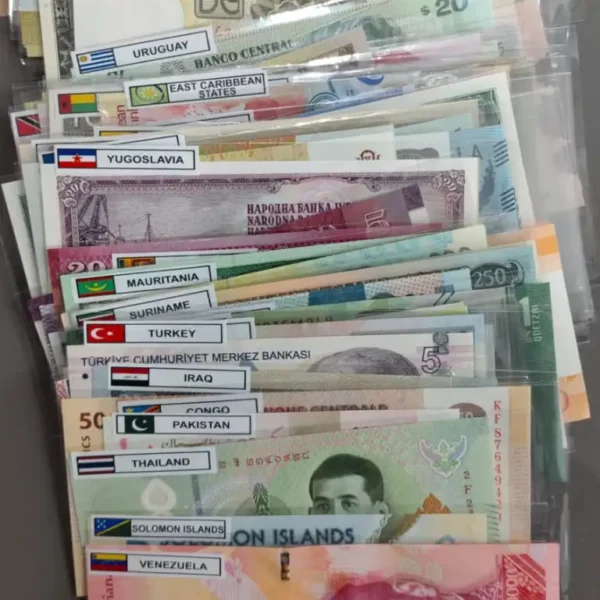
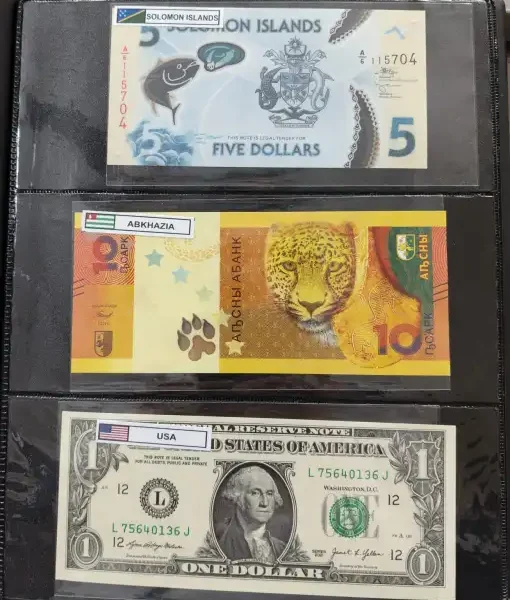
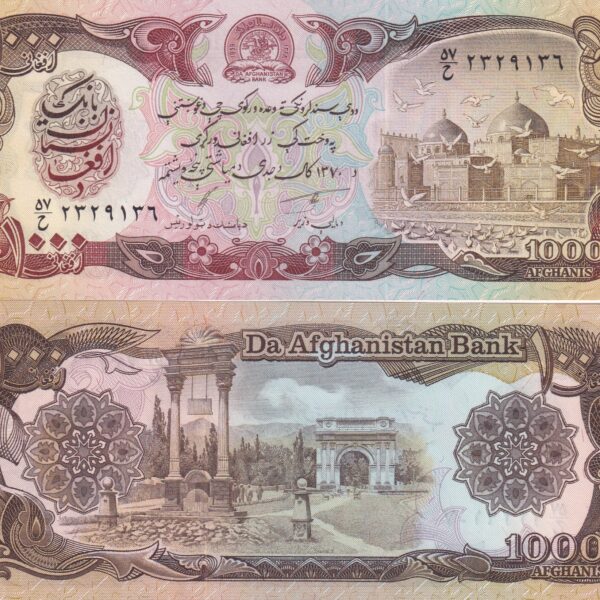
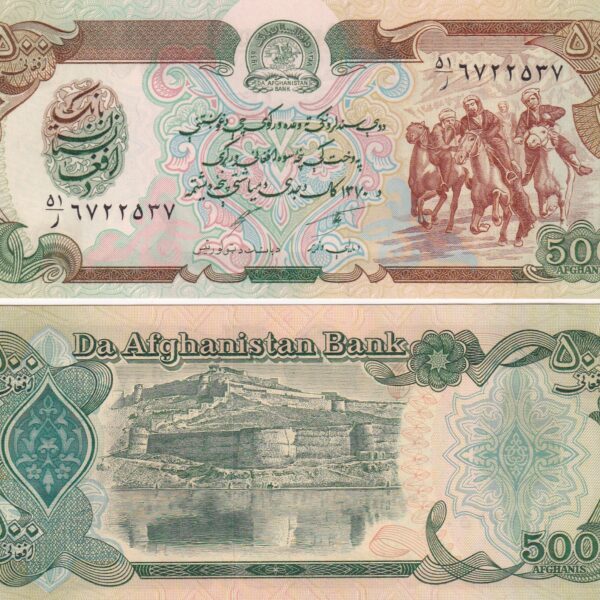
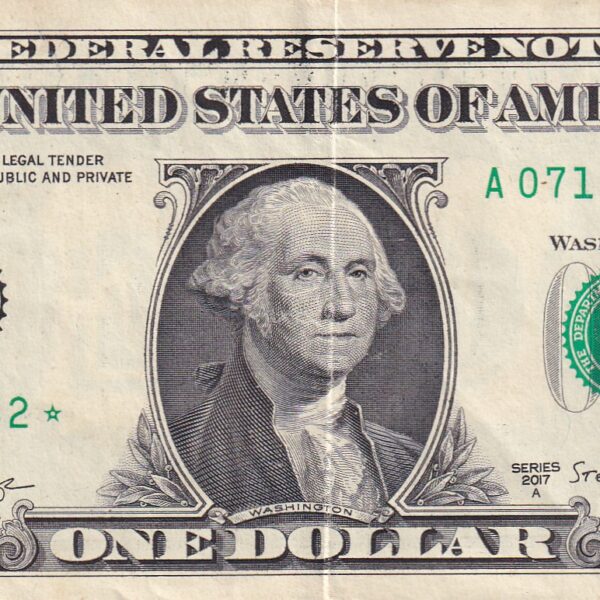
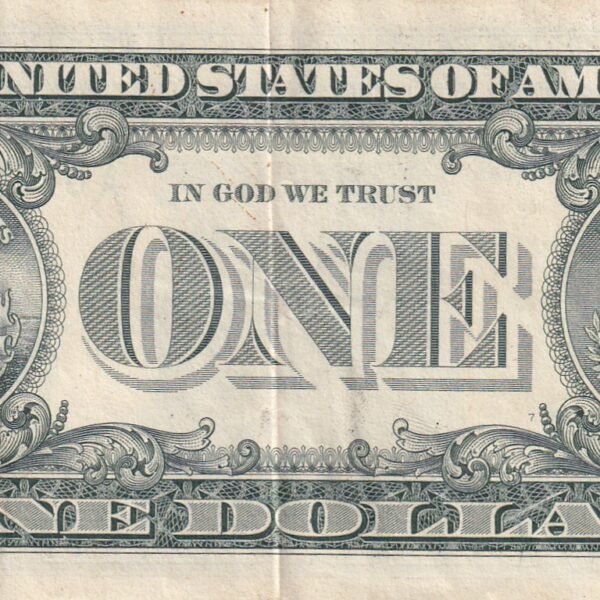
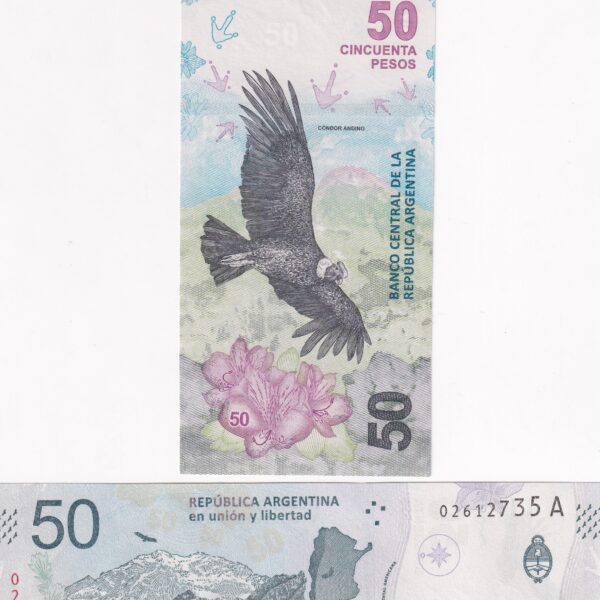
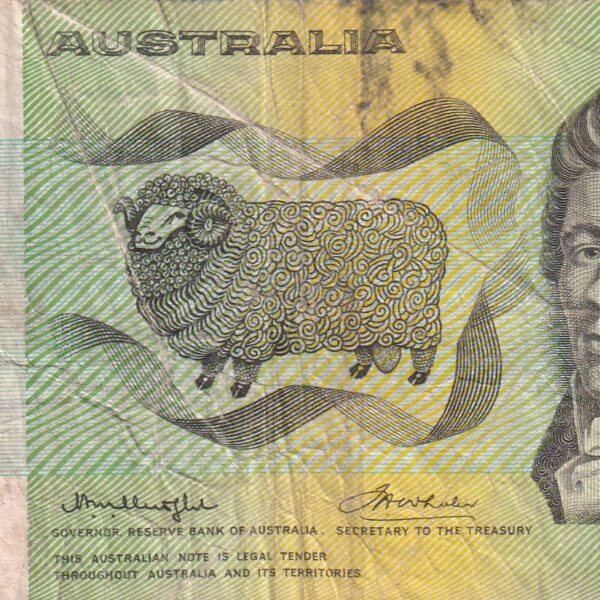
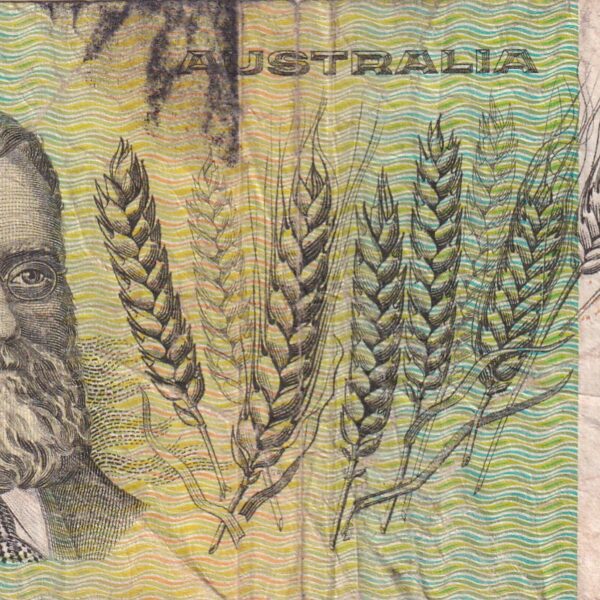
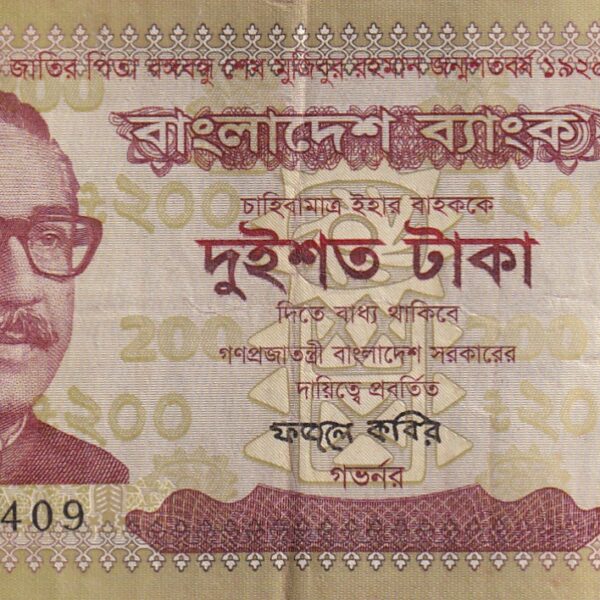
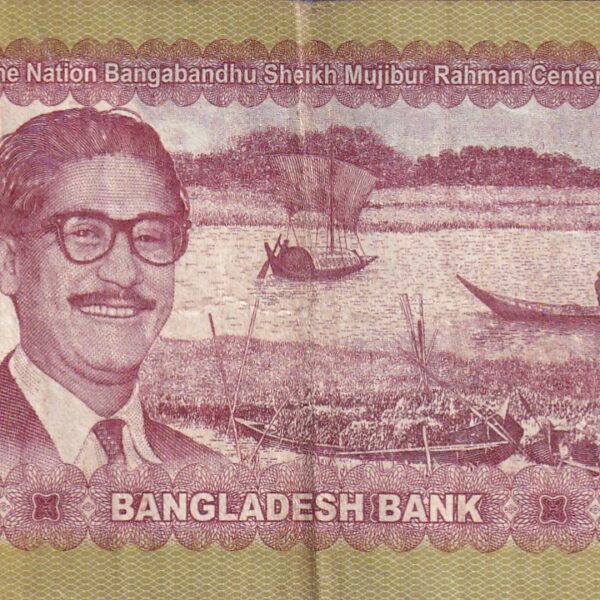
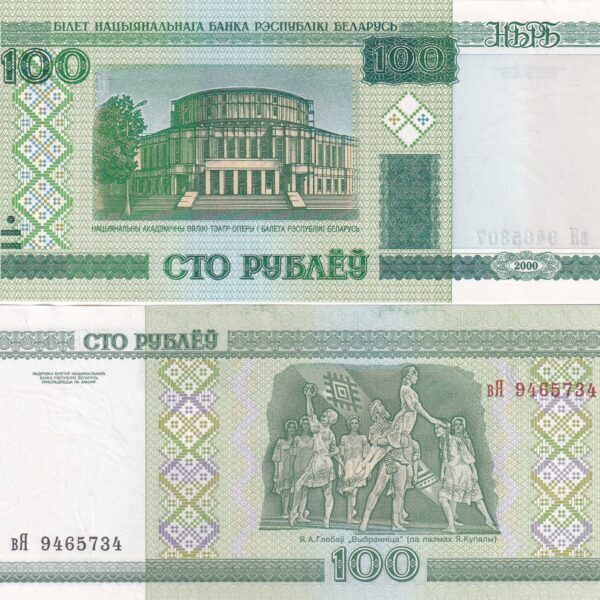
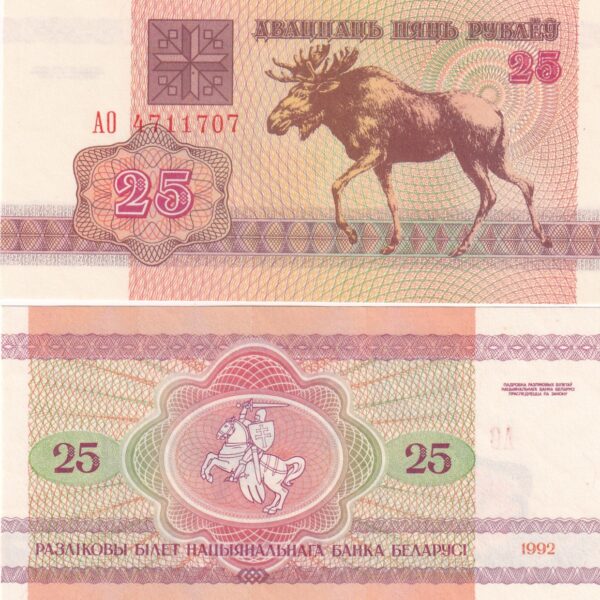
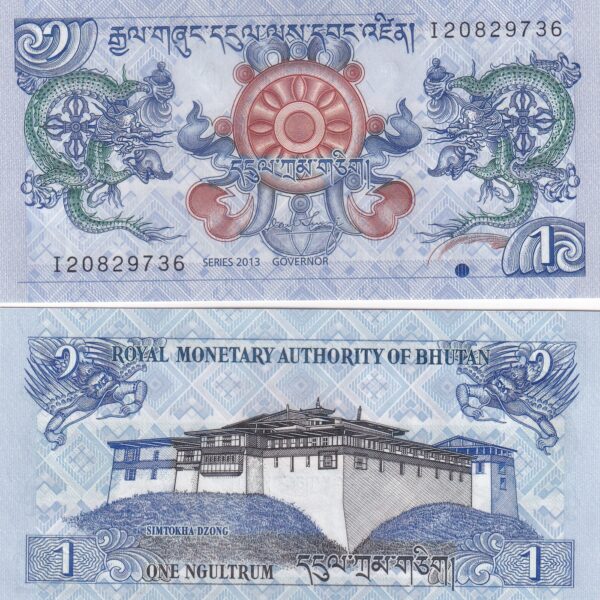
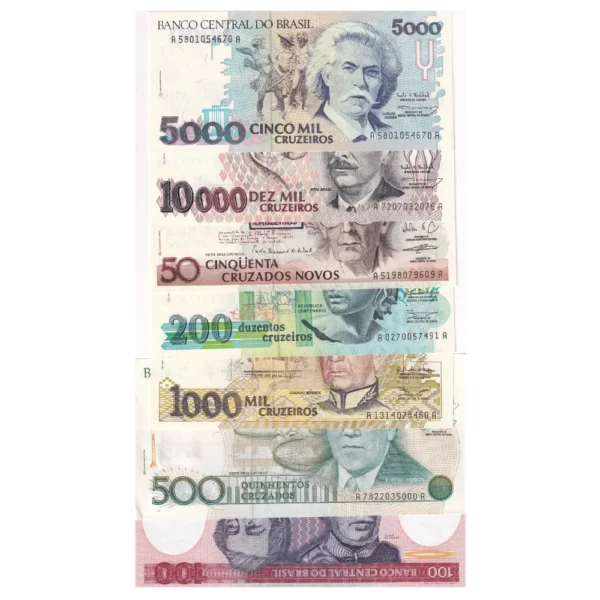
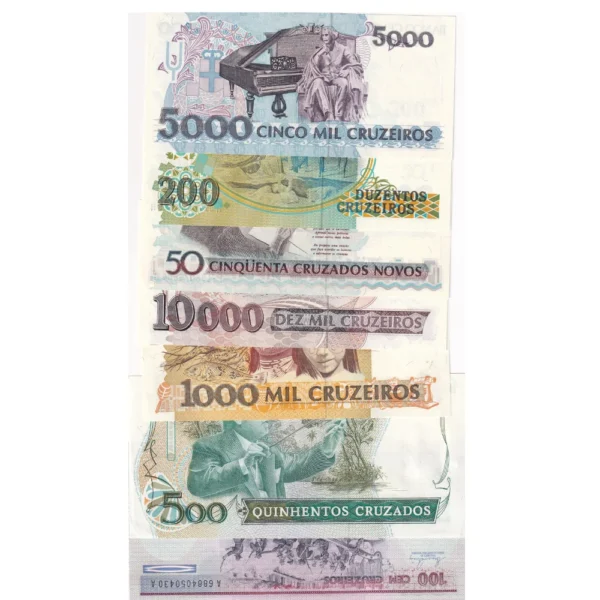
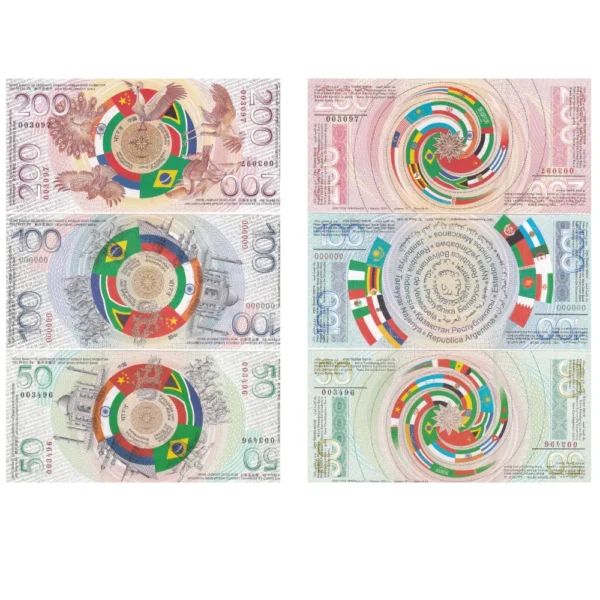
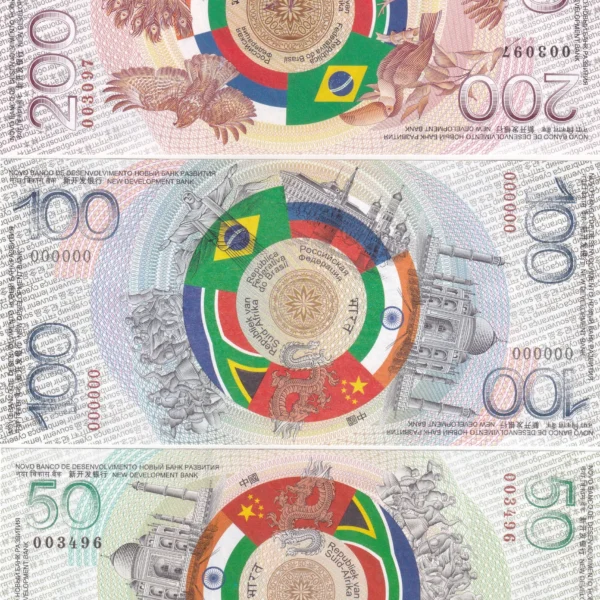
Welcome to the world's gateway for world notes—the most comprehensive collection of international currency available to serious numismatists. Our specialized inventory spans every inhabited continent, featuring authenticated banknotes from over 200 countries and territories, documenting the incredible diversity of global monetary systems throughout history and into the modern era.
The Scope of World Currency Collecting
Collecting world notes offers unparalleled diversity compared to single-country specialization. Each nation's currency reflects unique cultural heritage, artistic traditions, political history, and economic development. From ancient civilizations' paper money to cutting-edge polymer technology, world banknotes document humanity's relationship with money across cultures and centuries.
International currency collecting appeals to various interests: geographical completeness (acquiring notes from every country), thematic collecting (focusing on specific subjects depicted across nations), historical documentation (tracking currency through political changes), or investment diversification through rare international specimens.
Record-Breaking Currency Notes
Our collection includes documentation and, when available, specimens of extraordinary monetary achievements. The highest currency note in the world by denomination has varied throughout history—from Hungary's post-WWII hyperinflation notes reaching astronomical face values to Zimbabwe's 100 trillion dollar note. Understanding which represents the biggest currency note in the world depends on whether measuring by denomination, purchasing power, or physical dimensions.
The largest currency note in the world by physical size includes historical specimens from various nations experimenting with oversized currency for security or cultural reasons. These remarkable notes demonstrate the diverse approaches nations have taken toward currency design and production.
Geographical Diversity in Our Collection
European World Notes: From historic French francs and German marks to modern euros, our European collection spans centuries of monetary union and national currencies. Pre-euro specimens document individual national monetary sovereignty, while euro notes represent unprecedented multinational currency cooperation.
Asian Currency: The world's most populous continent offers incredible numismatic diversity—from ancient Chinese paper money traditions to modern Japanese yen, Indian rupees, and emerging Southeast Asian currencies. Asian world notes reflect thousands of years of paper money evolution.
African Banknotes: African currency documents colonial transitions, independence movements, and post-colonial monetary development. From South African rand to West African francs, East African shillings to North African dinars, the continent's currency tells stories of political transformation.
Americas Currency: North, Central, and South American notes span from US dollars and Canadian dollars to Latin American currencies reflecting diverse economic histories. Historical specimens document revolutionary periods, hyperinflation episodes, and monetary reforms across the hemisphere.
Oceania and Pacific: Australian dollars, New Zealand currency, and Pacific island notes—many featuring innovative polymer technology—represent this region's contributions to modern currency development.
Historical vs. Modern World Notes
Our inventory balances historical specimens with modern circulation notes:
Historical World Notes: Vintage currency from defunct nations, obsolete denominations, or replaced monetary systems. These notes document political changes—colonial independence, national dissolutions, currency unions—making them historically significant collectibles commanding premium prices.
Modern Circulation Notes: Current legal tender from active monetary systems, offering affordable entry into world collecting while documenting contemporary currency design, security features, and artistic traditions.
Thematic World Collecting
Beyond geographical collecting, many numismatists pursue thematic approaches across world notes:
Wildlife and Nature: Notes featuring animals, plants, or environmental themes from multiple countries create visually cohesive collections transcending borders.
Historical Figures: Comparing how different nations honor leaders, scientists, artists, and cultural icons through currency portraiture.
Architecture and Landmarks: Building collections around depicted structures, monuments, and architectural achievements across global currencies.
Technology and Innovation: Modern notes showcasing security features, polymer substrates, or innovative design elements representing cutting-edge monetary production.
Authentication and Quality
Each world notes specimen undergoes expert authentication verifying:
Genuine government issue from official mints
Appropriate security features for nation and period
Accurate identification of variety and printing details
Legitimate circulation or specimen status
Condition assessment following international grading standards
We guarantee authenticity across our entire international inventory, protecting collectors from the counterfeits and reproductions that unfortunately plague world currency markets.
Building Your World Collection
Starting world notes collecting requires strategic planning. Begin with affordable modern notes from diverse countries to understand global currency diversity. Progress toward historical rarities, specific geographical focuses, or thematic specializations as expertise develops.
Whether you're documenting the highest currency note in the world denominations, pursuing the largest currency note in the world specimens, or building comprehensive geographical collections, our authenticated world notes inventory provides exceptional international currency for serious collectors.
FAQs for World Notes Category
1. What are world notes in currency collecting?
World notes are international banknotes from countries worldwide, as opposed to collecting only domestic currency. World notes collections can include currency from 200+ countries and territories, spanning historical and modern issues. Collectors pursue geographical completeness (notes from every nation), thematic focuses (specific subjects across countries), or historical documentation (tracking monetary evolution globally). World currency collecting offers incredible diversity in designs, denominations, printing technologies, and cultural representations impossible in single-country specialization.
2. What is the highest currency note in the world by denomination?
The highest currency note in the world by face value has varied throughout history. Hungary's 100 quintillion pengő note (1946) and Zimbabwe's 100 trillion dollar note (2008) represent hyperinflation extremes with astronomical denominations but minimal purchasing power. For current legal tender, the 10,000 Singapore dollar note and 1,000 Swiss franc note represent high-value circulation currency. The "biggest" depends on whether measuring face value, actual purchasing power, or historical context of the currency system.
3. What is the largest currency note in the world by physical size?
The largest currency note in the world by physical dimensions includes historical specimens like certain Philippine peso notes and Chinese "flying money" from ancient periods. Modern currencies generally follow standardized sizing for practical handling and machine compatibility. Some commemorative or early paper currencies exceeded 300mm in length. Physical size often reflects printing technology limitations, cultural preferences, or anti-counterfeiting strategies of specific periods. Collectors prize oversized historical notes for their unusual dimensions and display impact.
4. How do I start collecting world notes?
Begin world notes collecting by: (1) Acquiring affordable modern notes from diverse countries to learn global currency variety, (2) Deciding on focus—geographical (continent, region), thematic (wildlife, leaders), or historical (specific eras), (3) Researching authentication for countries you're collecting, (4) Starting with common circulation notes before pursuing rarities, (5) Organizing systematically by geography or theme. We recommend beginning with 20-30 different countries across multiple continents, then specializing based on developing interests and expertise.
5. Are older world notes more valuable than modern ones?
Generally yes, but value depends on multiple factors beyond age. Historical world notes from defunct nations (Prussia, Ottoman Empire, USSR) or obsolete currency systems command premiums due to historical significance and limited survival. However, rare modern notes—low serial numbers, replacement notes, errors, or limited commemoratives—can exceed common vintage specimens in value. Condition matters enormously; pristine modern notes often outvalue poor-condition historical pieces. Rarity, demand, and condition determine value more than age alone.
6. How can I authenticate world notes from different countries?
Authenticating international currency requires: (1) Learning security features specific to each nation and era, (2) Comparing specimens to verified examples in catalogs or databases, (3) Checking appropriate paper texture, printing quality, and security elements, (4) Consulting country-specific numismatic references, (5) Working with reputable dealers who guarantee authenticity. We authenticate all world notes using expert knowledge of international security features, printing characteristics, and country-specific verification methods, providing confidence across our global inventory.
7. What are the most popular countries for world note collecting?
Popular world notes collecting focuses include: (1) Switzerland—beautiful designs and high-denomination notes, (2) Polymer currency nations—Australia, Canada, New Zealand for innovative technology, (3) Historical powerhouses—Britain, France, Germany for extensive monetary history, (4) Hyperinflation episodes—Zimbabwe, Hungary, Weimar Germany for astronomical denominations, (5) Exotic locations—Pacific islands, small nations for scarcity. However, comprehensive collectors pursue representation from all countries regardless of popularity, building geographically complete collections.
8. Should I collect by continent or theme across world notes?
Both approaches offer advantages. Geographical collecting (by continent or region) creates systematic organization with clear completion goals—acquire notes from every country in a defined area. Thematic collecting (wildlife, leaders, landmarks across nations) creates visually cohesive collections transcending borders, often more engaging for display. Many collectors combine approaches: geographical focus (Asian notes) with thematic emphasis (dragon depictions across Asian currencies). Choose based on personal interests, budget, and collecting goals—neither approach is superior.
9. Are world notes a good investment compared to domestic currency?
World notes offer investment diversification across multiple economies and currencies, reducing concentration risk compared to single-country collecting. Rare international specimens—especially from defunct nations or hyperinflation periods—show strong appreciation. However, world collecting requires broader knowledge across many countries' monetary systems, authentication challenges increase with international scope, and market liquidity varies by country. Balanced portfolios combining domestic specialisation with selective world notes often provide optimal risk-return profiles for numismatic investors.
10. How should I organise and store my world notes collection?
Organize world notes by: (1) Geography—continent, then country alphabetically, (2) Chronology—historical to modern within countries, (3) Theme—if collecting topically across nations, or (4) Denomination—comparing values across currencies. Use archival-quality albums with clear pockets allowing both sides visible. Store in climate-controlled environments away from light, humidity, and temperature fluctuations. Label clearly with country, denomination, year, and any notable features. Digital cataloging helps track extensive international collections. Proper organization enhances collecting satisfaction and facilitates research or eventual resale.