

Mughal Coins
Discover our exceptional collection of Mughal coins—authentic numismatic treasures from one of history’s greatest empires. Our curated inventory features Mughal coins Akbar, along with pieces from all major emperors of the Mughal dynasty spanning nearly three centuries of Indian history (1526-1857).
From prestigious Mughal gold coins to beautifully calligraphed Mughal silver coins and everyday Mughal copper coins, our selection represents the artistic excellence and monetary sophistication of Mughal empire coins. Whether you’re seeking rare old Mughal gold coins, the iconic Mughal square coins (jalali format), or affordable copper dams from the Mughal era coins collection, each piece is authenticated and catalogued.
Perfect for collectors studying coins of Mughal period, investors seeking tangible historical assets, or enthusiasts appreciating Islamic calligraphy and monetary history. Explore our comprehensive Mughal coins catalogue featuring transparent pricing, detailed descriptions, and historical context for every emperor and mint.
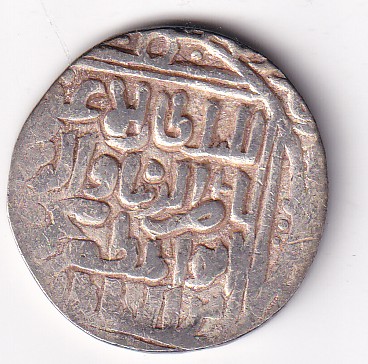
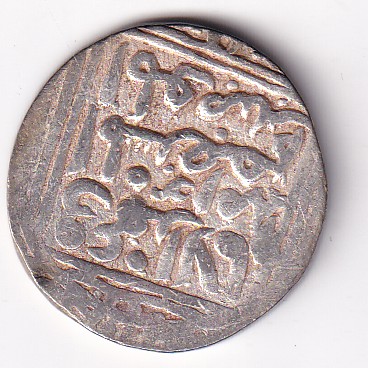
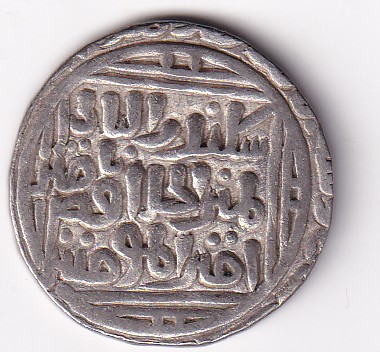
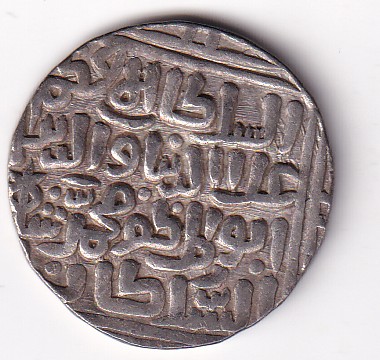
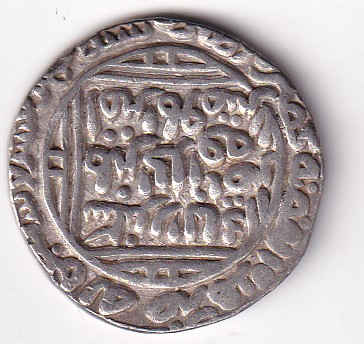
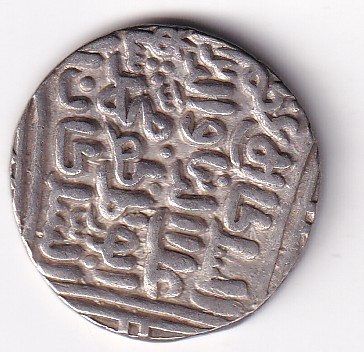
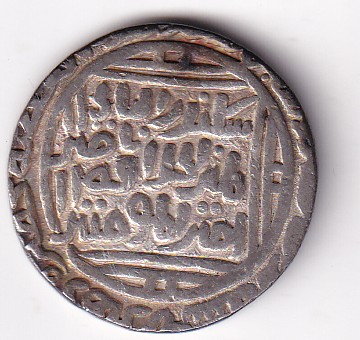
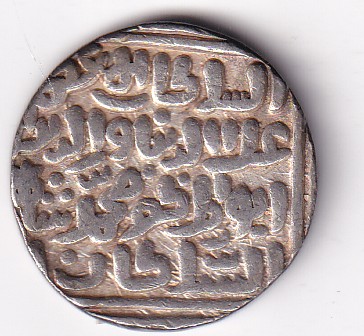
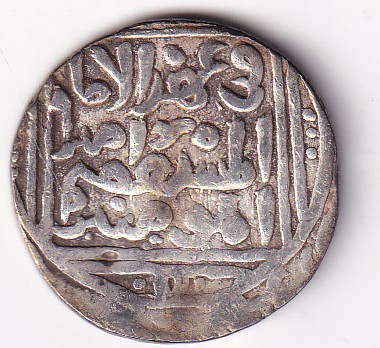
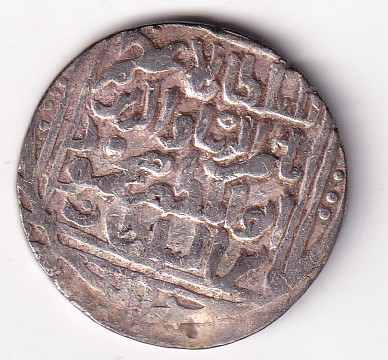
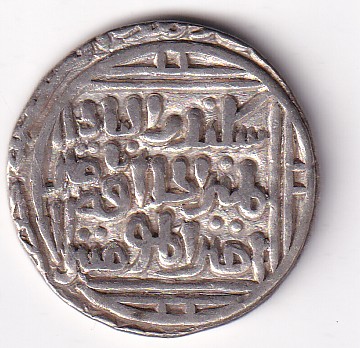
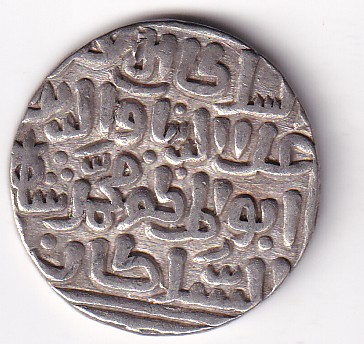
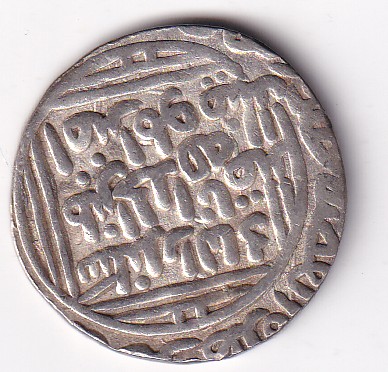
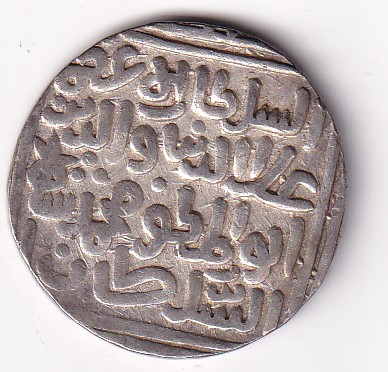
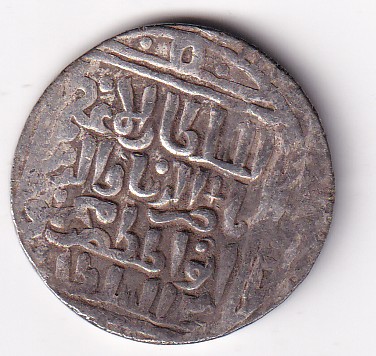
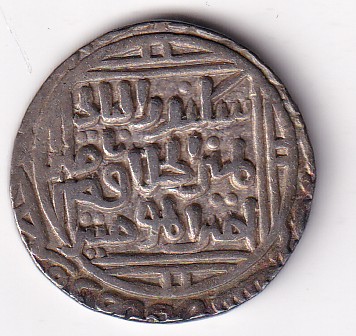
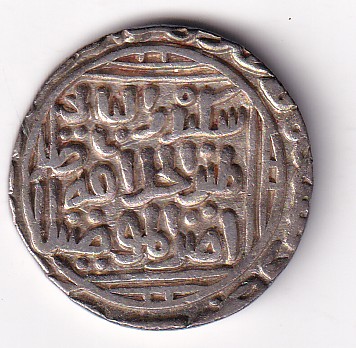
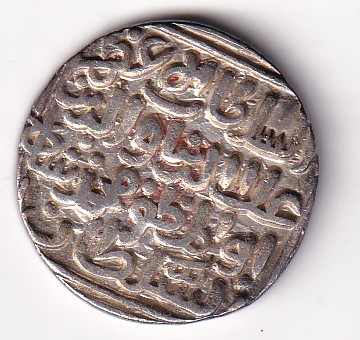
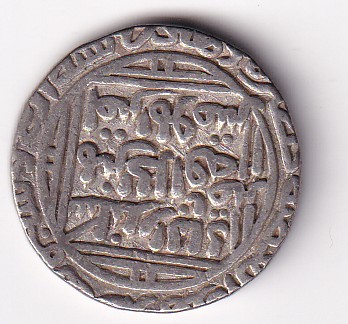
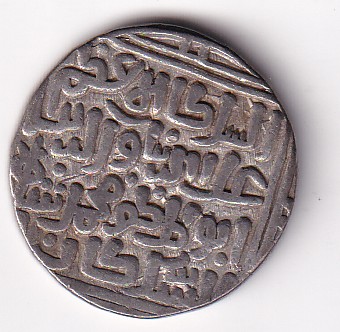
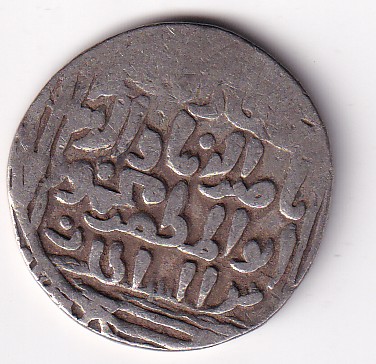
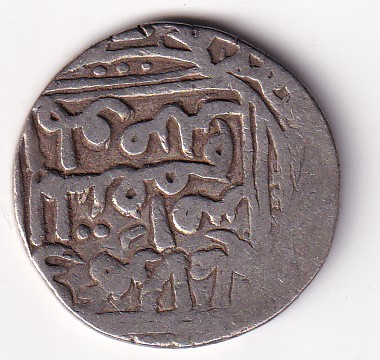
Welcome to India's premier collection of Mughal coins, where centuries of imperial grandeur meet numismatic excellence. The Mughal empire coins represent one of the world's most sophisticated and artistically magnificent monetary systems, spanning from Babur's founding reign (1526) through the empire's twilight under Bahadur Shah Zafar (1857). Our authenticated collection provides access to these remarkable historical artifacts that document India's golden age.
Understanding Mughal Period Coinage
Coins used in Mughal period represented a complex hierarchical system reflecting the empire's economic sophistication. The Mughal currency coins structure included three primary metal denominations: gold mohurs (highest value), silver rupees (standard currency), and copper dams or falus (everyday transactions). Understanding coins of Mughal period requires appreciating their artistic evolution, mint diversity, and calligraphic excellence that made them distinct from preceding sultanate coinage.
The Mughal era coins introduced revolutionary concepts including standardized weights, uniform designs across vast territories, Persian and Arabic calligraphy incorporating Quranic verses and royal titles, and the innovative Mughal square coins format. These distinctive square-shaped pieces, known as jalali coins, represent a unique numismatic innovation particularly associated with certain emperors and mints.
Mughal Coins by Metal and Type
Mughal Gold Coins: Our premium Mughal gold coin collection features mohurs from major emperors. The old Mughal gold coins category includes spectacular pieces with exceptional calligraphy and preservation. Gold coins Mughal empire specimens represent the pinnacle of imperial minting, with gold coin of Mughal period values reflecting both gold content and historical significance. Mughal gold coins price varies dramatically based on emperor, rarity, mint, and condition, with Mughal gold coin price in India ranging from thousands to lakhs for exceptional pieces.
Mughal Silver Coins: The Mughal silver coin category features the famous rupee, introduced by Sher Shah Suri and perfected under Mughal administration. Silver Mughal coins and Mughal silver coins price represent accessible entry points for collectors, with prices ranging from affordable to substantial for rare mints or pristine specimens. These coins of Mughal period in India circulated widely and form the foundation of serious collections.
Mughal Copper Coins: Mughal copper coins represent everyday currency of the empire. Copper coins of Mughal period and Mughal copper coins price offer budget-friendly collecting opportunities. During Mughal rule the copper coin was known as "dam" or sometimes "falus," with during the Mughal rule the copper coin was known as dam serving as the base denomination. Mughal coins copper specimens provide historical insight into common commerce and are perfect for new collectors exploring old coins Mughal period affordably.
Mughal Coins by Emperor
Mughal Coins Akbar: Our Mughal coins Akbar collection celebrates the greatest Mughal emperor's numismatic innovations. Akbar introduced religious tolerance themes, experimental alloy compositions, and artistic excellence. His coins represent peak imperial minting and are highly sought by collectors.
Beyond Akbar, explore coins from Babur (founder), Humayun (calligraphic elegance), Jahangir (artistic innovation and zodiac signs), Shah Jahan (Taj Mahal builder, refined aesthetics), Aurangzeb (extensive reign, common but significant), and later emperors documenting imperial decline.
Comprehensive Mughal Coins Catalogue
Our detailed Mughal coins catalogue serves as your essential reference guide, documenting emperors, mints, denominations, and varieties. Study coins of Mughal period information including weight standards, metal compositions, calligraphic styles, and mint marks. For researchers, we provide access to resources approximating coins of Mughal period Wikipedia documentation with scholarly references and archaeological findings.
Understanding Mughal Coin Values
Mughal coins price depends on multiple factors: emperor rarity (early rulers command premiums), mint location (rare mints highly valued), metal and denomination (gold most valuable), condition (lustrous uncirculated examples command multiples), calligraphic quality (sharp strikes preferred), and historical significance. Our transparent Mughal coin price list and Mughal coin price in India reflect current market realities based on auction results and dealer networks.
Old Mughal coin price ranges from hundreds of rupees for common copper dams to lakhs for rare gold mohurs. Mughal period coins value assessments consider both numismatic and bullion components for precious metal pieces.
Collecting Guidance and Authentication
How to read Mughal coins requires understanding Persian/Arabic calligraphy, AH (Hijri) dating systems, and mint name identification. We provide detailed Mughal coin image galleries showing obverse and reverse details, mint marks, and calligraphic elements. Each listing includes translations, date conversions, and historical context.
Authentication ensures you buy Mughal coins with confidence. We verify every piece through weight verification, style analysis, calligraphic authenticity, metallurgical testing (when appropriate), and comparison with documented specimens. Beware of modern fabrications—our expertise protects collectors.
Why Collect Mughal Coins?
Ancient Mughal coins and old Mughal coins offer multiple collecting dimensions: artistic beauty (calligraphy excellence), historical significance (documenting imperial evolution), investment potential (rare pieces appreciate), affordable entry (copper coins accessible), and cultural heritage (connecting with India's golden age). Rare Mughal coins represent museum-quality opportunities for serious collectors.
Whether you're beginning your first Mughal samrajya coin collection or seeking specific rare Mughal coins to complete comprehensive holdings, our authenticated inventory provides access to these magnificent historical treasures.
FAQs
What are Mughal coins and why are they significant?
Mughal coins are currency issued by the Mughal Empire (1526-1857 CE), one of the most powerful and culturally sophisticated dynasties in Indian history. These coins of Mughal period represent numismatic excellence through exquisite Persian-Arabic calligraphy, standardized weights and denominations, innovative designs including the distinctive Mughal square coins, and artistic representations of imperial power and religious sentiment. Mughal empire coins revolutionized Indian coinage by introducing the rupee system that influenced South Asian currency for centuries. They're significant for historical documentation (recording emperor names, titles, and mints), artistic achievement (representing peak Islamic calligraphic art), economic history (showing trade patterns and monetary policy), and cultural heritage (connecting modern India with its Mughal past). Collectors value them for beauty, history, and investment potential.
How much do Mughal coins cost?
Mughal coins price varies dramatically based on metal, emperor, rarity, condition, and mint. Mughal copper coins price ranges from ₹200-2,000 for common dams in average condition, with rare mints or exceptional specimens reaching ₹5,000+. Mughal silver coins price for common rupees ranges ₹1,000-10,000, while rare emperor/mint combinations command ₹20,000-100,000+. Mughal gold coins price starts around ₹30,000-50,000 for common mohurs and can exceed ₹5-10 lakhs for rare emperors or pristine specimens. Old Mughal coin price reflects condition—lustrous uncirculated examples command 3-10x circulated piece prices. Mughal coin price in India also depends on current precious metal values for gold and silver pieces. Our transparent Mughal coin price list reflects current market conditions.
What are the different types of Mughal period coins?
Coins used in Mughal period included three primary metal denominations in a sophisticated hierarchical system: Gold Mohurs: Highest value coins, typically weighing 10.8-11 grams, used for large transactions and imperial gifts. Mughal gold coin specimens represent wealth and power. Silver Rupees: Standard currency weighing approximately 11.4-11.6 grams, the backbone of Mughal commerce. Mughal silver coin examples are most commonly collected. Copper Dams/Falus: During Mughal rule the copper coin was known as "dam" (40 dams = 1 rupee), used for everyday transactions. Mughal copper coins offered affordable denominations for common people. Additionally, Mughal square coins (jalali format) represented innovative square-shaped pieces, half-rupees and quarter-rupees provided intermediate denominations, and special commemorative issues marked significant events. This multi-metal, multi-denomination system demonstrated economic sophistication.
What makes Mughal coins Akbar special?
Mughal coins Akbar are particularly prized for several reasons: Akbar (1556-1605) was the greatest Mughal emperor, making his coins historically significant. He introduced numismatic innovations including experimental square Mughal coins (jahangiri/jalali format), multi-metal alloy experiments, incorporation of Persian poetry and Quranic verses, mint standardization across the vast empire, and unique religious tolerance themes (including his Din-i-Ilahi period coins). Mughal coins Akbar feature exceptional calligraphic artistry, with some bearing Akbar's name in beautiful nastaliq script. His long reign produced numerous varieties across many mints. Collectors seek Mughal coins Akbar for both numismatic significance and investment value. Prices range widely—common copper dams start around ₹500-1,000, silver rupees ₹3,000-15,000, and gold mohurs ₹50,000-200,000+ depending on rarity and condition.
How can I authenticate old Mughal coins?
Authenticating old Mughal coins and ancient Mughal coins requires multiple verification methods: Calligraphic Analysis: Examine Persian/Arabic script quality—authentic pieces show consistent, elegant calligraphy. Modern fakes often display crude, incorrect lettering. Weight Verification: Compare against standard specifications (gold mohurs ~10.8g, silver rupees ~11.4g, copper dams ~20g). Significant deviations suggest problems. Style Consistency: Study emperor-specific design elements, mint mark styles, and period-appropriate calligraphic forms. Metal Testing: XRF analysis or acid testing verifies metal composition (gold mohurs should be ~90-91% gold, silver rupees ~92-96% silver). Die Analysis: Study striking characteristics, die wear patterns, and production techniques appropriate to the period. Patina Examination: Ancient Mughal coins develop natural patina; artificial aging appears different under magnification. We authenticate every Mughal coin using these methods, providing certificates for valuable pieces.
What are Mughal square coins and why were they made?
Mughal square coins represent a unique numismatic innovation particularly associated with certain Mughal emperors. These distinctive square-shaped pieces, also called jalali coins, were introduced experimentally during Akbar's reign and used sporadically by subsequent rulers. The Mughal square coin format offered several advantages: efficient use of metal blanks (square cutting wastes less metal than circular punching), distinctive appearance making counterfeiting more difficult, symbolic significance (squares representing stability and order in Islamic geometry), practical stacking and storage benefits, and artistic distinctiveness setting them apart from circular sultanate predecessors. Despite these advantages, circular coins remained more common due to easier minting and rolling resistance. Mughal square coins are highly collectible today due to their uniqueness, historical significance, and relative scarcity. Prices reflect their special status, typically commanding premiums over similar circular pieces.
How do I read and understand Mughal coins?
Learning how to read Mughal coins requires understanding several elements: Script: Mughal coins feature Persian-Arabic calligraphy in nastaliq or naskh styles. Learn basic letter recognition or use transliteration guides. Dating System: Mughal coins use AH (Anno Hegirae/Hijri) Islamic calendar dates. Convert to CE dates (rough approximation: AH + 583 = CE). Obverse Information: Typically shows emperor's name and titles (e.g., "Abu'l-Fath Jalal-ud-din Muhammad Akbar Badshah"), sometimes with Quranic verses or religious phrases. Reverse Information: Usually displays mint name (mint city where struck) and regnal year (year of emperor's reign). Mint Marks: Study Mughal coin image examples showing various mint mark styles. Our detailed Mughal coins catalogue provides translations, date conversions, and historical context for each piece, making coins of Mughal period information accessible to all collectors.
Which Mughal emperors' coins are most valuable?
Rare Mughal coins from certain emperors command premium prices: Babur (1526-1530): Empire founder's short reign and limited coinage make his pieces extremely rare and valuable (₹100,000+ for authenticated examples). Humayun (1530-1540, 1555-1556): Interrupted reign and artistic excellence make his coins scarce. Akbar (1556-1605): While numerous due to long reign, rare mints and square Mughal coins Akbar command premiums. Jahangir (1605-1627): Artistic innovations including zodiac signs and portrait coins (very rare) are highly valuable. Shah Jahan (1628-1658): Refined aesthetics and Taj Mahal association add appeal. Later Emperors: Post-Aurangzeb coins (18th-19th century) from declining empire periods can be surprisingly rare due to reduced minting and political fragmentation. Gold coins Mughal empire from any emperor are valuable due to precious metal content and historical significance, with old Mughal gold coins often exceeding ₹50,000-200,000+ depending on rarity.
What were copper coins called during the Mughal period?
During Mughal rule the copper coin was known as "dam" (also spelled "daam" or "damma"), sometimes referred to as "falus" or "pice" in different regions and periods. During the Mughal rule the copper coin was known as dam served as the base denomination in the monetary system, with the silver rupee theoretically equal to 40 copper dams (though exchange rates fluctuated regionally and temporally). Mughal copper coins and copper coins of Mughal period were used for everyday transactions by common people—buying food, paying laborers, and small purchases. These Mughal coins copper specimens are relatively affordable for collectors today, with Mughal copper coins price typically ranging ₹200-2,000 for common types. Despite lower intrinsic value than gold or silver pieces, old coins Mughal period in copper provide accessible entry points for new collectors while offering fascinating glimpses into daily economic life of the empire.
Where can I buy authentic Mughal coins?
To buy Mughal coins with confidence, purchase from established dealers specializing in Indian numismatics with authentication expertise. Our platform offers authenticated Mughal empire coins with comprehensive documentation including detailed Mughal coins catalogue listings, high-resolution Mughal coin images showing both sides, translations of Persian-Arabic calligraphy, emperor identification and reign dates, mint location and historical context, transparent pricing reflecting current Mughal period coins value, and certificates of authenticity for valuable pieces. When buying old Mughal coins elsewhere, verify dealer credentials, request clear photographs showing details, compare prices against multiple sources, understand return policies, and ensure proper documentation for resale. Avoid unverified online marketplaces where fakes proliferate. Our expertise protects collectors from counterfeits while providing access to genuine coins of Mughal period in India spanning all metals, emperors, and price ranges.