

Sultanate Coins
Discover our exceptional collection of sultanate coins—authentic numismatic treasures documenting Islamic rule across medieval and early modern India. Our curated inventory features coins of Delhi Sultanate spanning five dynasties (1206-1526), rare Tipu Sultan coins from Mysore’s legendary ruler, and pieces from regional sultanates that flourished across the subcontinent.
From prestigious Delhi sultanate silver coins bearing beautiful Arabic calligraphy to Tipu Sultan copper coins showcasing innovative monetary reforms, our selection represents the artistic excellence of coins of sultanate period. Explore Bahmani sultanate coins, Bengal sultanate coins, Jaunpur sultanate coins, Malwa sultanate coins, and other regional issues including Bijapur sultanate coins and Gujarat sultanate coins.
Perfect for collectors studying medieval Indian numismatics, specialists in Islamic coinage, or historians exploring coins of Delhi Sultans information. Each piece is authenticated with detailed historical context, transparent Tipu Sultan coins price information, and comprehensive documentation for serious numismatists.
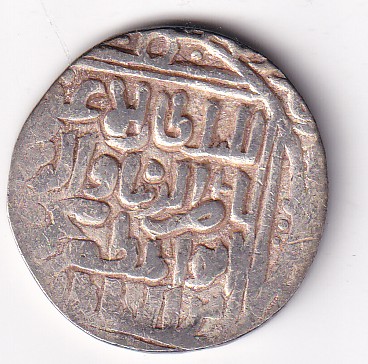
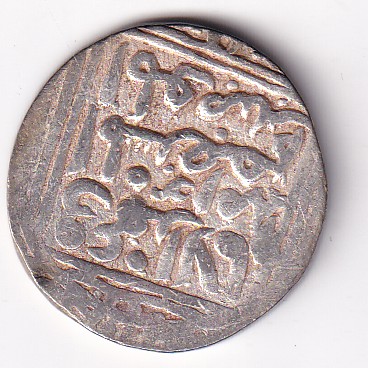
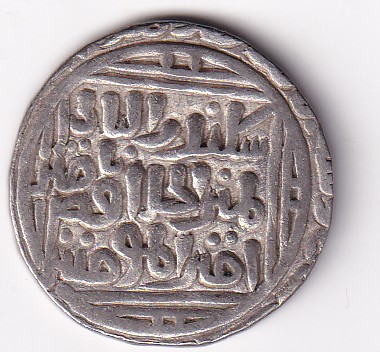
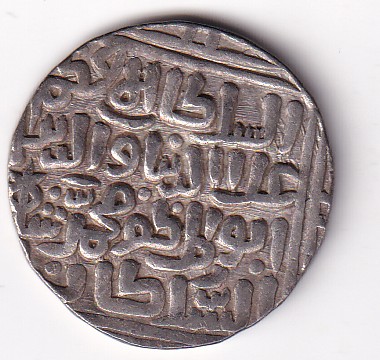
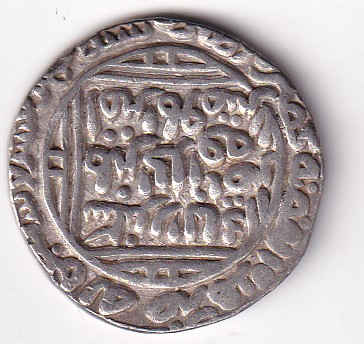
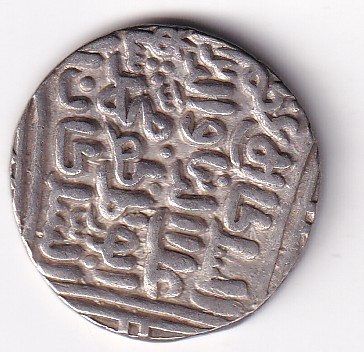
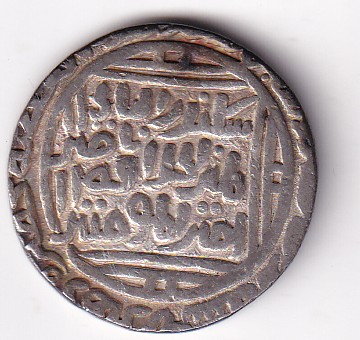
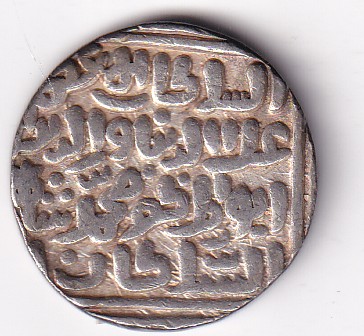
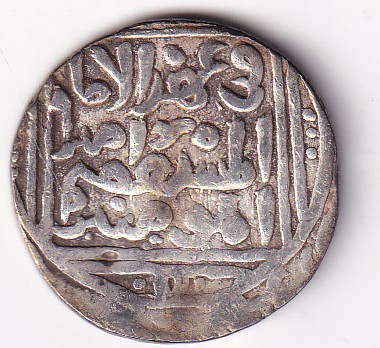
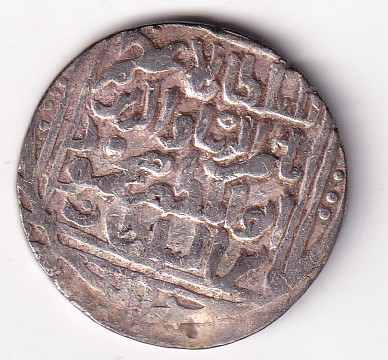
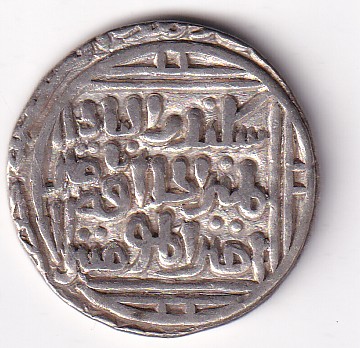
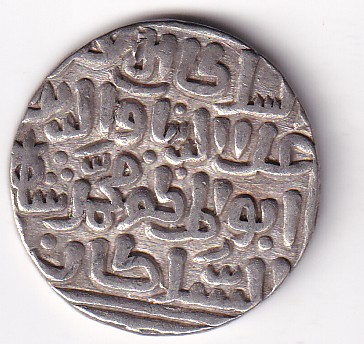
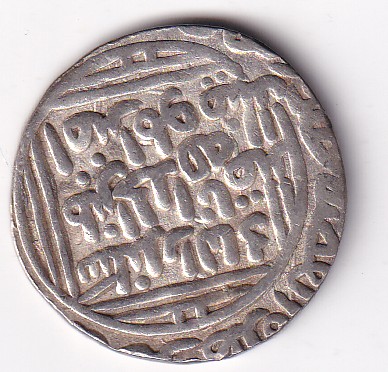
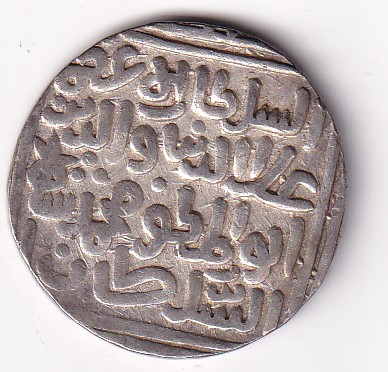
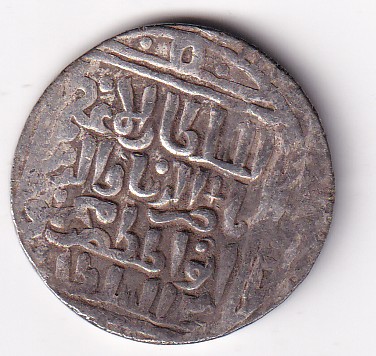
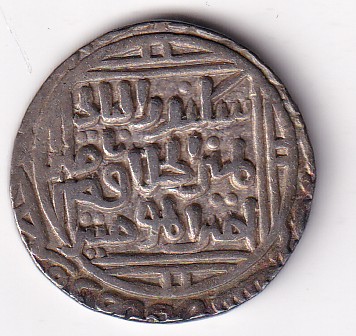
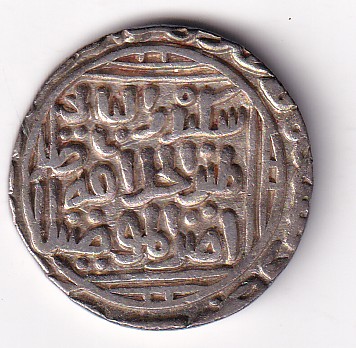
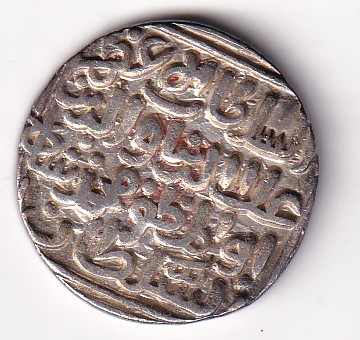
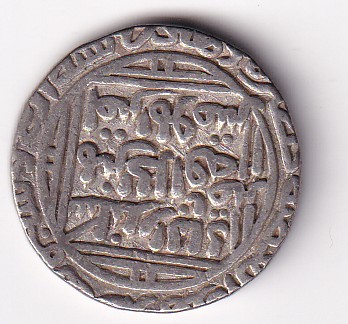
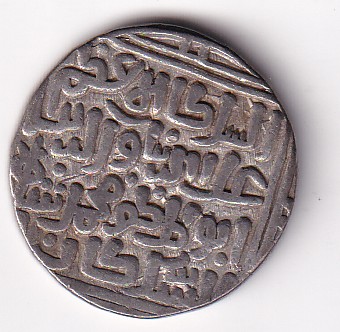
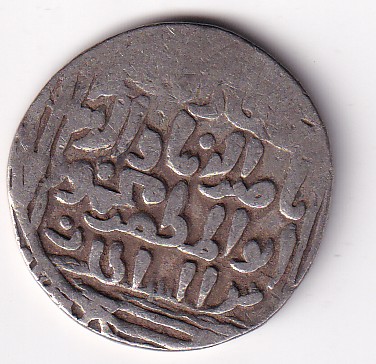
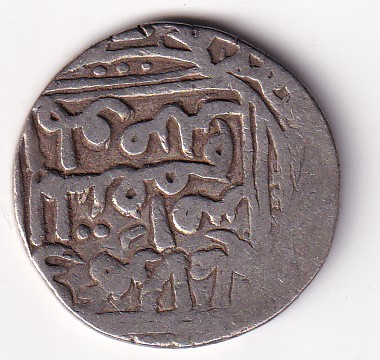
Welcome to India's premier collection of sultanate coins, where medieval Islamic numismatics meets historical grandeur. The coins of the sultanate period represent over six centuries of Islamic rule in India, from the establishment of the Delhi Sultanate (1206) through regional sultanates and culminating with legendary rulers like Tipu Sultan (late 18th century). Our authenticated collection provides access to these historically significant pieces documenting India's rich Islamic heritage.
Delhi Sultanate Coins (1206-1526)
The Delhi sultanate coins represent one of India's most important numismatic series, spanning five successive dynasties. Coins of the Delhi Sultanate evolved through distinct periods reflecting political changes, economic policies, and artistic developments:
Slave Dynasty (1206-1290): Early coins of the Delhi Sultanate period featuring Qutb-ud-din Aibak, Iltutmish, and notably coins of Razia Sultan—the only female ruler of the Delhi Sultanate. Razia Sultan coins are particularly sought by collectors due to their historical significance and relative scarcity.
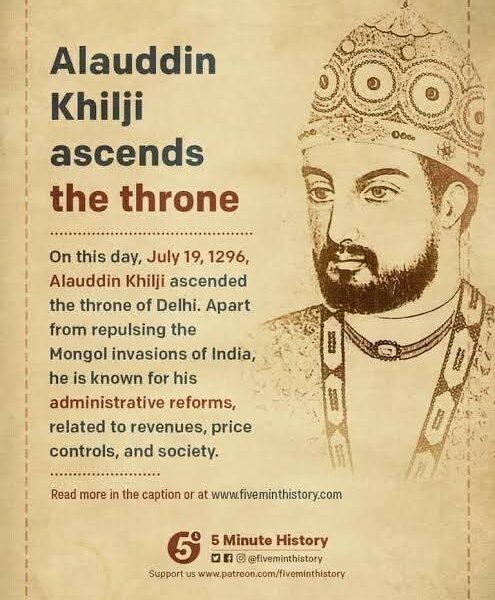
Khilji Dynasty (1290-1320): Coins during this period showed refined calligraphy and standardised weights under Alauddin Khilji's famous monetary reforms.
Tughlaq Dynasty (1320-1414): Known for Muhammad bin Tughlaq's experimental token currency and extensive Delhi sultanate copper coins production alongside silver issues.
Sayyid and Lodi Dynasties (1414-1526): Later Delhi sultanate silver coins showing declining imperial power but continued artistic excellence.
Coins during the Delhi Sultanate featured Arabic inscriptions (unlike earlier Sanskrit Indian coins), standardised weights based on Islamic monetary traditions, and beautiful calligraphy naming sultans and caliphs. Resources like Delhi sultanate coins PDF references and the coins of the Indian sultanates PDF scholarly works provide detailed cataloguing for collectors. The 2 ghani Delhi sultanate coin in NGC-certified holders represents premium, m-authenticated specimens.
Regional Sultanate Coins
Following the Delhi Sultanate's decline, regional sultanates established independent kingdoms, each issuing distinctive coinage:
Bahmani Sultanate Coins: From the Deccan (1347-1527), Bahmani sultanate coins featured sophisticated designs and high-quality striking, representing one of India's most artistically accomplished sultanate series.
Bengal Sultanate Coins: Bengal sultan coins and Bengal sultanate coins (1352-1576) showed unique regional characteristics, often incorporating local artistic traditions alongside Islamic calligraphy.
Jaunpur Sultanate Coins: Jaunpur sultanate coins from the Sharqi dynasty (1394-1479) are prized for their distinctive style and historical significance.
Malwa Sultanate Coins: Malwa Sultanate coins (1392-1562) represent central India's independent Islamic kingdom with unique numismatic characteristics.
Gujarat Sultanate Coins: Gujarat sultanate coins (1407-1573) combined Islamic and regional artistic elements, creating distinctive pieces.
Kashmir Sultanate Coins: Kashmir sultanate coins documented this Himalayan region's Islamic period with unique mountain kingdom characteristics.
Bijapur Sultanate Coins: Bijapur Sultanate coins from the Adil Shahi dynasty (1490-1686) featured artistic excellence and innovative designs.
Ahmadnagar Sultanate Coins: Ahmadnagar sultanate coins (1490-1636) represented another important Deccan sultanate.
Madurai Sultanate Coins: Short-lived but numismatically significant, Madurai sultanate coins (1335-1378) documented South India's brief sultanate period.
Tipu Sultan Coins - The Tiger of Mysore
Tipu Sultan coins represent some of India's most innovative and collectable Islamic coinage. The legendary ruler of Mysore (1782-1799) introduced revolutionary monetary reforms, creating unique numismatic pieces highly sought today.
Tipu Sultan coins name: His coins bore Persian and Urdu inscriptions with titles like "Asad-Allah al-Ghalib" (Lion of God, the Victorious) and unique dating systems (Mauludi era).
Tipu Sultan Coinage Types: Tipu Sultan gold coins (pagodas, mohurs) - rare and valuable, Tipu Sultan silver coin issues (rupees, fanams), Tipu Sultan copper coins or copper coins of Tipu Sultan (paisa denominations, including the 1 4 paisa coin Tipu Sultan era and 1 4 paise coin Tipu Sultan era).
Tipu Sultan coins price varies dramatically: common copper pieces ₹1,000-5,000, silver coins ₹5,000-25,000+, rare gold coins ₹50,000-500,000+. Tipu Sultan coins value reflects historical significance (legendary resistance to the British), numismatic innovation (unique inscriptions and dating), relative scarcity (short reign, many melted post-defeat), and strong collector demand. Our Tipu Sultan coins for sale include authenticated specimens across all metals and denominations.
Tipu Sultan's old coins showcase his administrative sophistication and cultural patronage, making them treasured pieces connecting collectors with the "Tiger of Mysore's" legendary resistance.
Understanding Sultanate Coinage
The copper coins in the sultanate period were called by various names: jital, tanka (copper version), paisa, and regional variations. Basic coins of the sultanate period typically included gold (dinar, mohur), silver (tanka, rupee), and copper (jital, paisa) denominations in hierarchical monetary systems.
Resources like a pictionary of coins, rulers, buildings related to the Delhi Sultanate, and the coins of the Indian sultanates, scholarly works provide essential references. Understanding the coins of Delhi sultans' information requires studying calligraphy, dating systems, and mint marks, and identifying specific rulers and periods.
Building Your Sultanate Collection
Whether specialising in Delhi Sultanate coins, seeking Tipu Sultan coins, or assembling comprehensive regional Sultanate holdings, our authenticated inventory provides access to properly documented pieces with transparent pricing and historical context.
FAQs
1. What are sultanate coins, and what period do they cover?
Sultanate coins are Islamic coinage issued by various sultanates (independent Islamic kingdoms) across India from approximately 1206 to 1799 CE. The coins of sultanate period begin with the Delhi Sultanate (1206-1526), India's first major Islamic empire, followed by regional sultanates that emerged during and after Delhi's decline including Bahmani, Bengal, Jaunpur, Malwa, Gujarat, Kashmir, Bijapur, and others (14th-17th centuries), and culminating with later Islamic rulers like Tipu Sultan of Mysore (1782-1799). These sultanate coins represent Islamic monetary traditions introduced to India, featuring Arabic/Persian calligraphy instead of earlier Sanskrit inscriptions, standardised weights based on Islamic systems, religious inscriptions and Quranic verses, and artistic styles blending Islamic and Indian traditions. The sultan coin issued across these periods documented political authority, economic policies, and cultural synthesis, making them historically significant numismatic artefacts spanning nearly six centuries of Indian Islamic history.
2. What makes coins of Razia Sultan special and valuable?
Coins of Razia Sultan (r. 1236-1240) are exceptionally significant as the only coinage issued by a female ruler of the Delhi Sultanate, making them highly sought by collectors. Razia Sultan's coins document her brief but remarkable reign as the first and only woman to rule the Delhi Sultanate independently. These coins feature her name "al-Sultana Raziyya bint Iltutmish" (Sultan Raziyya, daughter of Iltutmish), breaking convention by using female forms in titulature, representing remarkable gender boundary-crossing in medieval Islamic politics. Coins during the Delhi Sultanate typically avoided female depictions or names, making Razia Sultan's coins historically unique. Their value derives from historical significance (documenting a pioneering female ruler), relative scarcity (short 4-year reign, limited mintages), strong demand from both gender history and numismatic collectors, and investment appeal reflecting historical importance. Prices typically range ₹15,000-75,000+, depending on condition, metal (silver more common than gold), and authenticity documentation. Authentication is critical due to modern fabrications targeting this popular series.
3. How much are Tipu Sultan coins worth?
Tipu Sultan coins price and Tipu Sultan coins value vary significantly based on metal, denomination, condition, and rarity. General ranges: Copper Coins of Tipu Sultan: Common copper paisa, including 1 4 paisa coin Tipu Sultan era and 1 4 paise coin Tipu Sultan era, typically ₹1,000-5,000 in average circulated condition, ₹5,000-15,000 for uncirculated examples. Tipu Sultan Silver Coin: Silver rupees and fanams range ₹5,000-15,000 for common types in average condition, ₹15,000-40,000+ for scarce mints or pristine specimens. Tipu Sultan Gold Coins: Rare gold pagodas and mohurs typically ₹50,000-200,000+, with exceptional pieces exceeding ₹500,000. Tipu Sultan old coins value factors include mint location (Patan, Nagar mints), regnal year (later years often scarcer), condition (uncirculated commands huge premiums), and calligraphic quality. Our Tipu Sultan coins for sale include authenticated pieces across all price ranges with transparent valuations based on current market conditions. Tipu Sultan coins name recognition and historical romance (Tiger of Mysore resisting the British) drives strong collector demand, enhancing values.
4. What are the major types of Delhi Sultanate coins?
Delhi sultanate coins evolved through five dynastic periods, each with distinctive characteristics. By Dynasty: Slave Dynasty (1206-1290), including coins of Razia Sultan, Khilji Dynasty (1290-1320) with Alauddin's reforms, Tughlaq Dynasty (1320-1414), including Muhammad's experimental tokens, Sayyid Dynasty (1414-1451), and Lodi Dynasty (1451-1526). By Metal: Delhi Sultanate silver coins (tankas, rupees) - most common and collectable, Delhi Sultanate copper coins (jitals) - affordable entry points, gold coins (dinars) - rare and valuable. By Ruler: Each sultan issued distinctive coins with their names and titles. Resources like Delhi sultanate coins PDF catalogues, and coins of Delhi sultans information references help identify specific types. The copper coins in the sultanate period were called jitals primarily. Coins duringthe Delhi Sultanate featured beautiful Arabic calligraphy, religious inscriptions (Kalima, Quranic verses), mint names and dates (often in the Hijri calendar), and the sultan's titles and genealogy. The 2 ghani Delhi sultanate coin in NGC holders represents professionally graded specimens commanding premium prices through third-party authentication.
5. What are the most collectable regional sultanate coins?
Beyond the Delhi Sultanate, several regional sultanates produced highly collectable coinage. Bahmani Sultanate Coins: Among the most sophisticated, Bahmani sultanate coins (1347-1527, Deccan) featured exceptional artistic quality, well-organised minting, and strong collector demand. Prices: ₹3,000-30,000+ depending on rarity. Bengal Sultanate Coins: Bengal sultan coins and Bengal sultanate coins (1352-1576) showed unique regional styles blending Islamic and Bengali elements. Prices: ₹2,000-25,000+. Jaunpur Sultanate Coins: Distinctive Sharqi dynasty issues (1394-1479) with unique calligraphic styles. Prices: ₹3,000-20,000+. Malwa Sultanate Coins: Central Indian sultanate (1392-1562) with characteristic designs. Gujarat Sultanate Coins: Long-lasting dynasty (1407-1573) producing diverse types. Kashmir Sultanate Coins: Himalayan sultanate with distinctive mountain kingdom character. Bijapur Sultanate Coins: Adil Shahi artistic excellence. Madurai Sultanate Coins: Brief but historically significant (1335-1378). Ahmadnagar Sultanate Coins: Another important Deccan sultanate. Collectors value these for regional diversity, artistic variations, and historical documentation of India's fragmented post-Delhi Sultanate period. References like the coins of the Indian sultanates PDF provide comprehensive coverage.
6. How can I authenticate Delhi Sultanate and other sultanate coins?
Authenticating coins of the Delhi Sultanate and regional sultanates requires expertise due to modern fabrications. Verification methods: Calligraphic Analysis: Examine Arabic/Persian script quality—authentic pieces show period-appropriate, elegant calligraphy. Modern fakes often display crude, incorrect lettering or impossible anachronisms. Weight Verification: Each denomination has standard weights—silver tankas typically 10.5-11g, copper jitals 3-4g. Significant deviations suggest problems. Metal Composition: XRF or acid testing verifies silver content (typically 92-96% for silver coins), copper purity, or gold fineness appropriate to the period. Strike Characteristics: Study striking quality—authentic sultanate period coins show hand-struck characteristics appropriate to medieval technology. Patina Examination: Centuries-old coins develop natural patina; artificial aging appears different under magnification. Die Studies: Compare against documented authentic specimens for correct design elements, spacing, and style. Historical Consistency: Verify ruler names, dates, and mint names match historical records. For valuable pieces like rare Tipu Sultan gold coins or coins of Razia Sultan, professional authentication or third-party grading (like a 2 ghani Delhi sultanate coin in NGC holders) provides assurance. We authenticate every sultanate coin through comprehensive examination.
7. What inscriptions appear on sultanate coins?
Coins of the sultanate period feature distinctive Arabic and Persian inscriptions conveying religious, political, and administrative information. Common inscription types: Kalima (Islamic Creed): "La ilaha illallah Muhammad rasul Allah" (There is no god but Allah, Muhammad is His messenger) appears on most sultanate coins as the primary religious declaration. Sultan's Name and Titles: Elaborate titulature like "al-Sultan al-Azam" (The Great Sultan), genealogical information, and sometimes poetic epithets. For example, Tipu Sultan's coins' name included "Asad-Allah al-Ghalib." Caliph's Name: Many coins during the Delhi Sultanate acknowledged Abbasid or later caliphs, legitimising the sultan's rule. Mint Name: City where the coin was struck (Delhi, Lakhnauti, Daulatabad, etc.). Date: Usually in the Hijri calendar (AH - Anno Hegirae), though Tipu Sultan used a unique Muharram era dating. Quranic Verses: Especially on larger denominations or special issues. Understanding these inscriptions enhances appreciation and aids identification. Resources like a pictionary of coins, rulers, and buildings related to the Delhi Sultanate help beginners learn common phrases and names appearing on coins of the Delhi sultans.
8. What were the denominations used in the Sultanate period?
Basic coins of the sultanate period followed hierarchical systems with variations by dynasty and region. Gold Coins: Dinar (early Delhi Sultanate), later called mohur or tanka (gold version), regional names like pagoda (South India). Used for large transactions and wealth storage. Silver Coins: Tanka (standard Delhi Sultanate silver coin, typically 10.5-11g), later rupee (introduced by Sher Shah, adopted by later sultanates), regional variations like Bengal sultanate coins using different denominations. Copper Coins: The copper coins in the sultanate period were called jital primarily (Delhi Sultanate), paisa (later periods and regional sultanates, including Tipu Sultan copper coins), dam (some sultanates), and regional names. Copper served everyday transactions. Fractional denominations existed like the 1 4 paisa coin Tipu Sultan era (quarter paisa) and 1 4 paise coin Tipu Sultan era, half-tankas, and other subdivisions. Exchange rates varied, but typically gold:silver: copper ratios followed approximate 1:10-12:200-240 patterns. Understanding denomination systems helps collectors identify and value specific pieces appropriately.
9. Why collect sultanate coins, and how should I start?
Sultanate coins offer compelling collecting opportunities for multiple reasons: Historical Significance: Document six centuries of Islamic rule in India, political changes, and cultural synthesis. Artistic Beauty: Features exquisite Arabic/Persian calligraphy and elegant designs. Relative Affordability: Many copper and common silver pieces remain accessible (₹1,000-5,000), unlike prohibitively expensive ancient coins. Research Opportunities: Active scholarly study means discoveries and attributions continue. Investment Potential: Undervalued compared to later Mughal coinage, offering appreciation potential. Variety: Multiple dynasties, regional sultanates, and rulers provide diverse collecting options. Starting Recommendations: Begin with affordable Delhi sultanate copper coins or Tipu Sultan copper coins (₹1,000-5,000), gradually add common silver pieces (₹3,000-10,000), study resources like Delhi sultanate coins pdf and the coins of the Indian sultanates pdf, join specialized numismatic groups, focus on specific areas (one dynasty, one region, one ruler), and prioritize authenticated pieces. Consider thematic approaches like collecting one coin from each Delhi sultan or assembling regional sultanate type sets. Avoid extremely cheap pieces suggesting authenticity concerns.
10. What is the connection between "the sultan gave him three gold coins" and sultanate coinage?
The phrase "the sultan gave him three gold coins" appears in various historical narratives, literary works, and folk tales from the Islamic period, reflecting sultanate-era practices. Historically, sultans regularly gifted gold coins for multiple purposes: rewarding military valour and loyal service, diplomatic gifts to visitors and ambassadors, patronage of scholars, poets, and artists, religious charity (zakat) and almsgiving, celebrating special occasions, and demonstrating royal generosity (a prized virtue in Islamic kingship). Gold dinars or mohurs from Sultanate coin collections represent the actual currency used in such transactions. For collectors, this connects numismatics with historical narratives—each gold coin represents potential stories of royal patronage, individual achievement, or historical moments. Tipu Sultan gold coins and other sultanate gold pieces in collections might have been awarded for similar purposes during their circulation. Literary references to "three gold coins" (a specific number sometimes symbolic) appear in tales from the Delhi Sultanate through later periods. Understanding these cultural contexts enriches collecting experiences, transforming coins from mere metal discs into tangible connections with historical individuals, events, and social practices from the sultanate periods.