
UNC / Proof Sets
Discover our exceptional collection of UNC (uncirculated) and Proof Sets—premium numismatic products representing coins in their finest possible condition. Understanding UNC meaning in numismatics is essential: these are coins that never entered circulation, maintaining their original mint luster and sharp details without any wear from handling or use.
Our curated inventory features government-issued mint sets, proof sets with mirror-like finishes and frosted designs, and special collector editions from mints worldwide. Each UNC coin exhibits pristine striking quality, while proof coins showcase enhanced artistic detail through specialized minting processes.
Perfect for collectors seeking investment-grade specimens, those building pristine reference collections, or gift-givers wanting premium numismatic products. From annual mint sets documenting each year’s coinage to prestigious proof sets in original government packaging, our authenticated inventory provides access to coins in their most collectible states with transparent pricing and complete documentation.
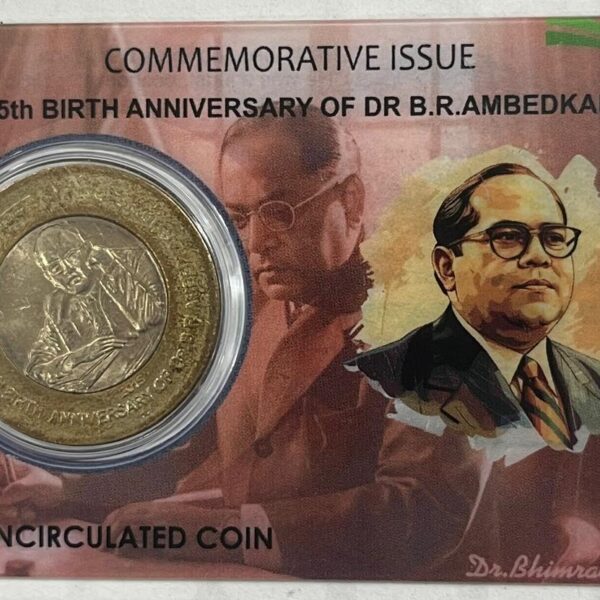
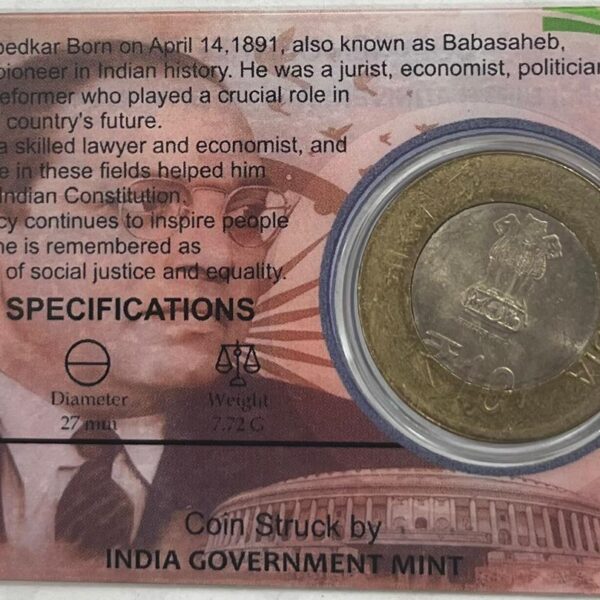
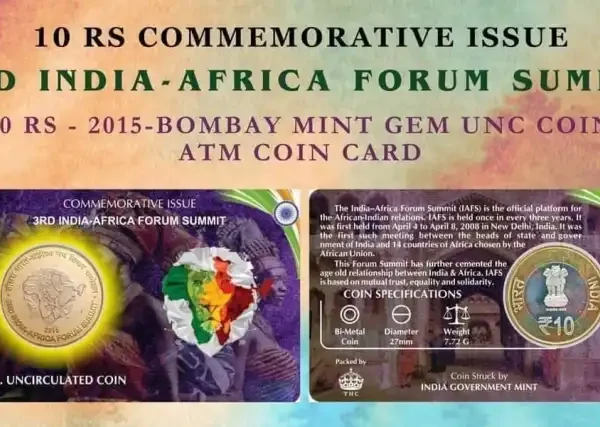
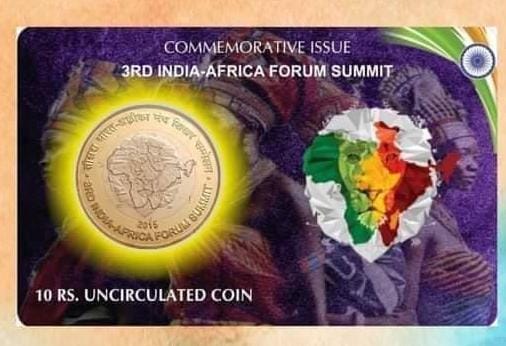
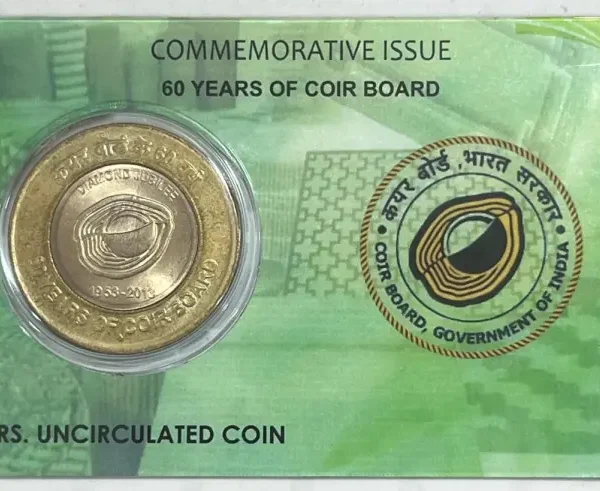
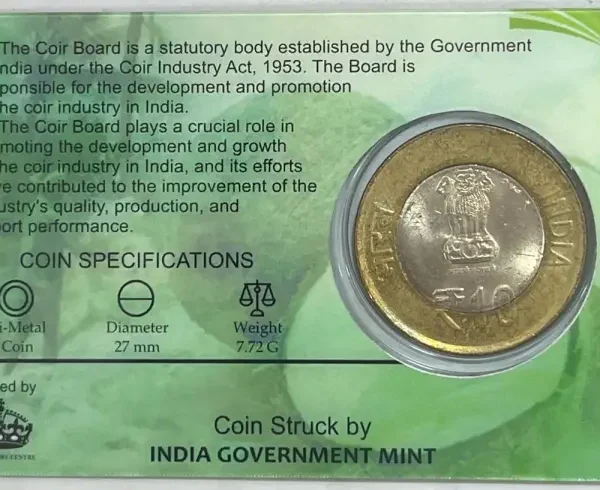
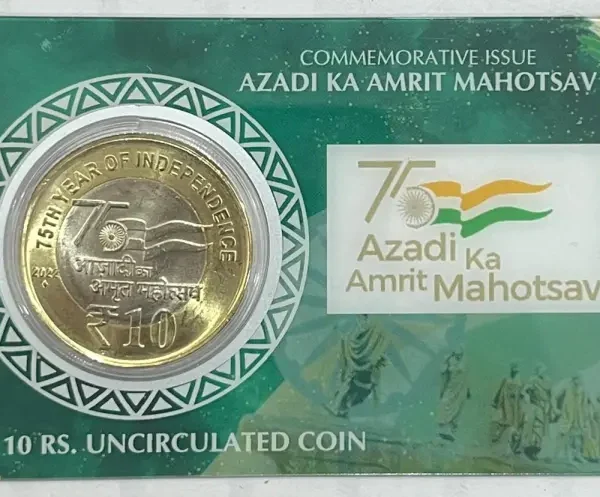
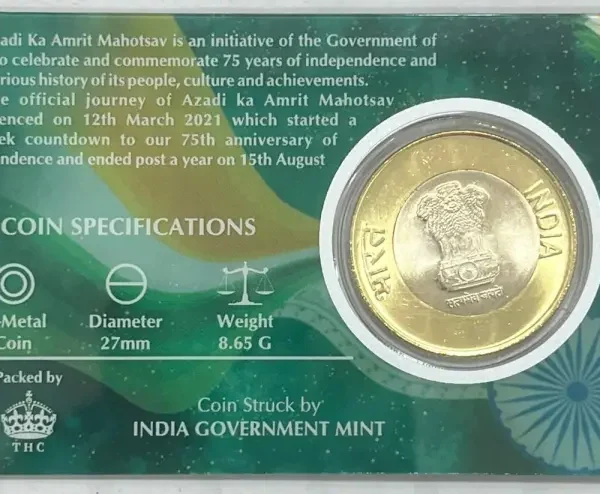
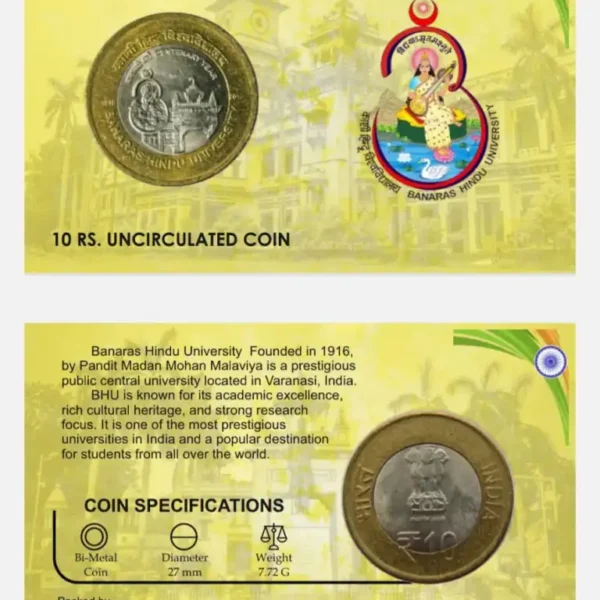

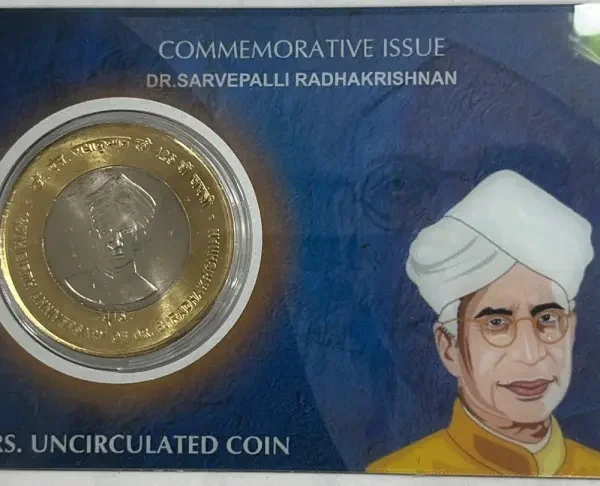
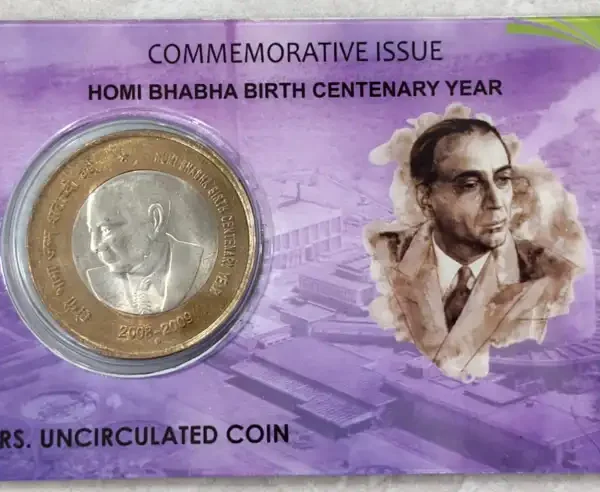
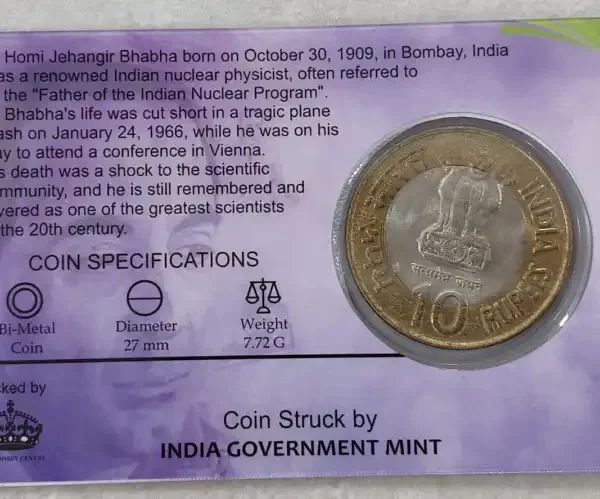
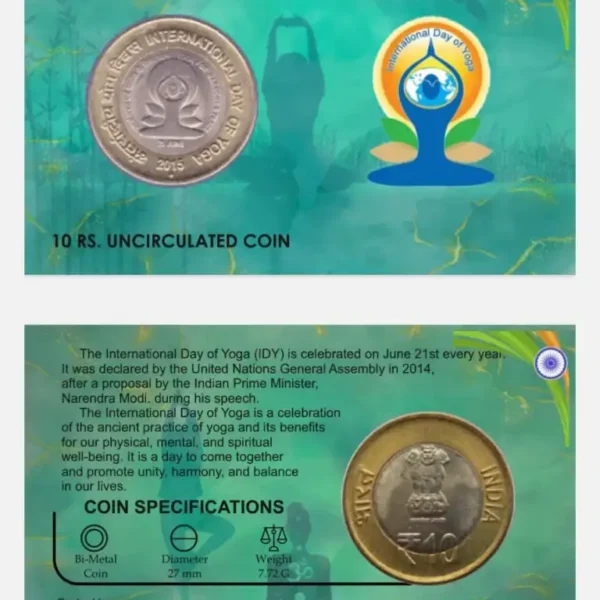
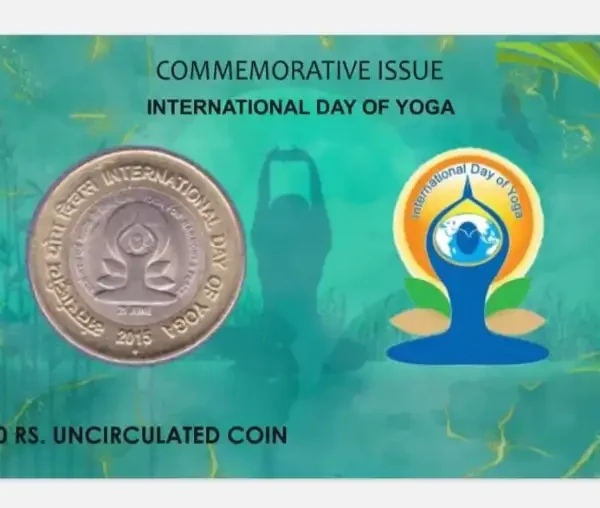
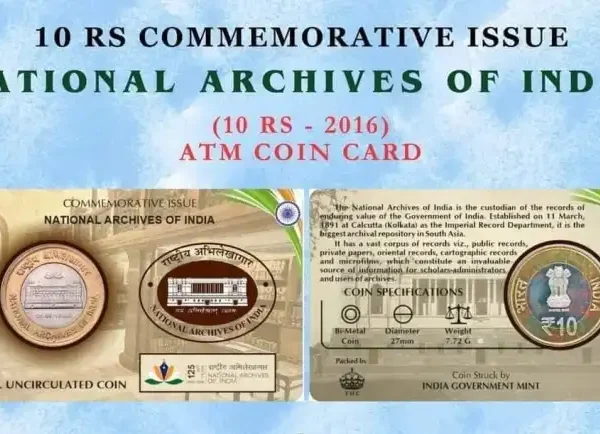

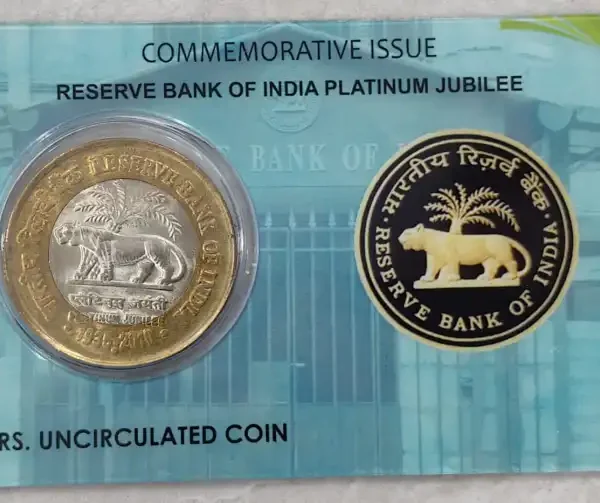
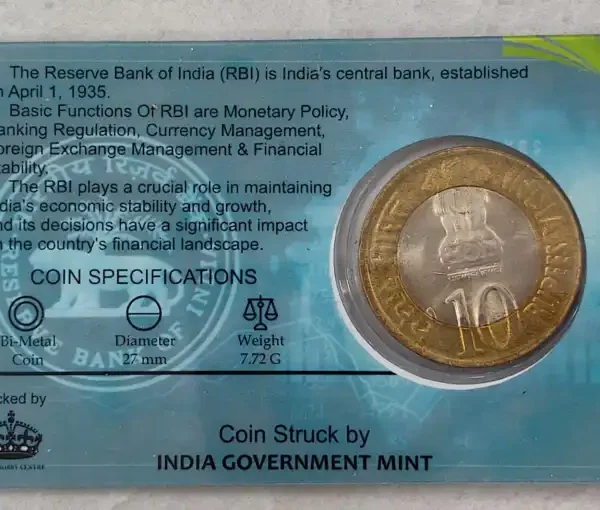
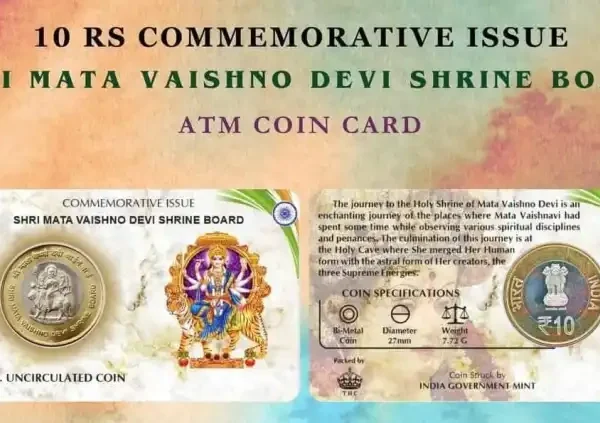
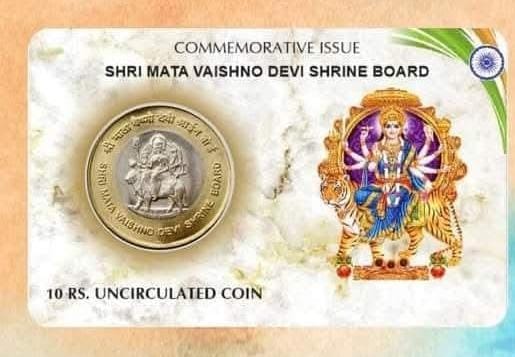
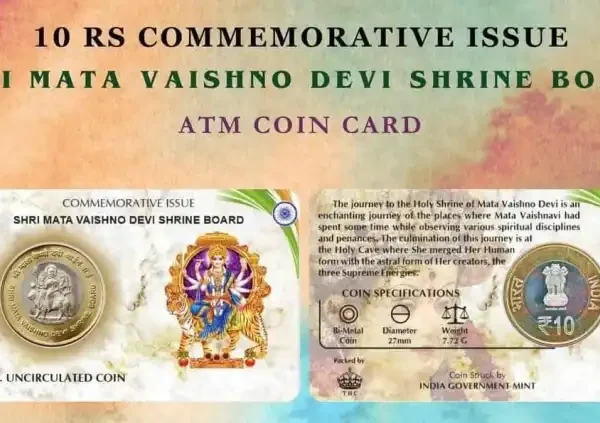
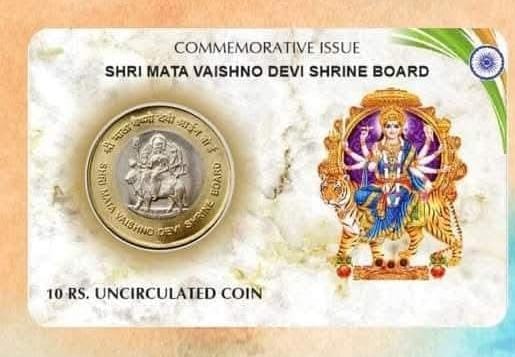
Welcome to our premium collection of UNC and Proof Sets, where numismatic excellence meets pristine preservation. Understanding UNC full form and UNC coin meaning is fundamental to serious collecting: UNC stands for "Uncirculated," referring to coins that never entered commercial circulation, retaining their original mint state without wear from handling or use.
Understanding UNC (Uncirculated) Coins
What is UNC in numismatics? The term UNC or UNC meaning refers to coins in mint state condition, graded on a scale from MS-60 (lowest uncirculated grade) through MS-70 (perfect uncirculated). These UNC coin specimens exhibit:
Original Mint Luster: Cartwheel effect created by rotating dies during striking, undimmed by circulation wear.
Sharp Strike Details: Full design elements with no flattening from circulation handling.
No Circulation Wear: While storage marks or contact marks may exist from mint handling, no wear from commercial use appears.
Eye Appeal: Overall aesthetic quality combining luster, strike, and surface preservation.
UNC coin meaning encompasses various grades within the uncirculated spectrum. MS-60 to MS-62 show numerous contact marks and limited eye appeal, MS-63 to MS-64 represent typical uncirculated coins with good luster and acceptable marks, MS-65 to MS-67 exhibit excellent eye appeal with minimal marks, and MS-68 to MS-70 represent exceptional to perfect specimens rarely achieved.
Understanding Proof Sets
Proof sets represent specially-made coins using enhanced minting processes creating superior finish and detail. Characteristics include:
Mirror-Like Fields: Highly polished dies create reflective backgrounds contrasting with frosted design elements.
Frosted Devices: Design elements (portraits, inscriptions) appear frosted against mirror fields through special die treatment.
Multiple Strikes: Proofs receive 2-6+ strikes from dies, creating exceptional sharpness and depth.
Hand-Finished Planchets: Blanks are specially prepared and polished before striking.
Special Packaging: Government proof sets come in protective holders with certificates of authenticity.
Proof coins aren't circulation strikes and shouldn't be confused with UNC pieces—they're separately manufactured as collectibles from the outset.
Types of UNC and Proof Sets
Annual Mint Sets: Government-issued sets containing that year's circulation-strike denominations in UNC condition. These document each year's coinage in pristine state, offering affordable collecting and potential appreciation as years pass. Most major mints worldwide issue annual mint sets.
Proof Sets: Annual proof sets containing proof versions of circulation denominations, plus sometimes commemoratives. These premium products command higher prices than mint sets due to enhanced manufacturing.
Special Edition Sets: Commemorative sets, anniversary editions, limited releases, and thematic collections combining UNC or proof coins around specific themes.
Prestige Sets: Premium proof sets including commemoratives alongside regular denominations, often in elaborate packaging.
Silver Proof Sets: Sets where normally base-metal coins are struck in silver with proof finish, creating premium collectibles.
First Strike / Early Release: Coins from first 30 days of minting, certified by grading services, commanding premiums for earliest production.
Collecting UNC and Proof Sets
Collecting mint and proof sets offers multiple advantages:
Completeness: Sets provide entire year's coinage in one package, simplifying comprehensive collection building.
Condition Certainty: Government packaging ensures authenticity and pristine condition.
Affordability: Sets often cost less than purchasing equivalent individual coins separately.
Investment Potential: Older sets, especially from low-production years, appreciate significantly.
Gift Appeal: Professional packaging makes sets ideal gifts for occasions like births, graduations, or anniversaries.
Reference Quality: Sets provide high-grade examples for studying design details and varieties.
Grading and Authentication
While UNC designation seems straightforward, precise grading (MS-60 vs. MS-65 vs. MS-68) significantly affects value. Third-party grading services (PCGS, NGC) provide professional authentication and grading, encapsulating coins in tamper-evident holders with grade guarantees.
For proof sets, grading similarly matters. PR-68 to PR-70 grades represent premium specimens commanding multiples of raw proof values.
Storage and Preservation
Maintaining UNC condition requires proper storage: keep coins in original government packaging when possible, use archival-quality holders for individual coins, control environmental conditions (stable temperature, low humidity), handle minimally (by edges only, with gloves), and avoid cleaning (removes original luster).
Investment Considerations
Both UNC and proof sets offer investment potential. Factors supporting appreciation include: limited annual production creating scarcity, government backing ensuring authenticity, pristine condition maximizing desirability, historical documentation value, and low mintage years showing strongest appreciation.
Building Your Collection
Whether assembling complete date runs of annual sets, specializing in proof sets from specific mints or eras, or seeking individual high-grade UNC coins for type collections, our authenticated inventory provides access to premium numismatic products with transparent pricing, complete documentation, and guaranteed condition.
From affordable recent mint sets perfect for beginning collectors to prestigious vintage proof sets commanding premium prices, explore our comprehensive selection of coins in their finest possible states.
FAQs
1. What does UNC mean in coin collecting?
UNC full form in numismatics stands for "Uncirculated," referring to coins that never entered commercial circulation and retain their original mint-state condition. UNC meaning encompasses coins graded MS-60 through MS-70 (Mint State) on the Sheldon grading scale. What is UNC? These are coins showing no wear from circulation handling—while contact marks from mint processes or storage may exist, no flattening or dulling from commercial use appears. UNC coin meaning specifically denotes pristine condition with original mint luster (cartwheel effect), sharp strike details (full design elements), no circulation wear (though bag marks acceptable), and varying eye appeal depending on specific grade (MS-60 to MS-70). Understanding UNC coin terminology is crucial because condition dramatically affects value—a common-date coin in MS-65 UNC might be worth 10-100x more than the same date in circulated condition. UNC represents the highest quality tier in coin collecting, essential for serious collectors, investors, and those building reference-quality collections.
2. What is the difference between UNC coins and Proof coins?
UNC (uncirculated) coins and proof coins represent different manufacturing approaches, not just condition differences. UNC Coins: Struck using normal production methods intended for circulation but never actually circulated, struck once with standard dies at normal pressure, have satiny or frosty luster from normal die finish, come from mint production runs (some set aside uncirculated), and packaged in mint sets or rolls. Proof Coins: Specially manufactured as collectibles from the outset, never intended for circulation, struck multiple times (2-6+ strikes) with specially prepared, hand-polished dies, have mirror-like fields and frosted design elements (cameo effect), use specially prepared, polished planchets, and come in special proof sets with certificates. Key Distinction: A proof coin is made differently from the start using special processes; a UNC coin is a regular production coin that avoided circulation. Both can achieve high grades (MS-70 for UNC, PR-70 for proof), but proof coins generally show superior aesthetic qualities due to manufacturing differences. Proof sets typically cost more than mint sets reflecting additional production care and enhanced appearance.
3. Are UNC and Proof sets a good investment?
UNC and proof sets can be excellent investments when selected strategically. Factors Supporting Investment Potential: Scarcity: Annual production limits create inherent scarcity, especially for older sets. Condition: Pristine preservation maximizes future desirability and value. Government Backing: Official mint products ensure authenticity and quality. Historical Documentation: Sets document specific years comprehensively. Low-Mintage Years: Sets from years with lower production show strongest appreciation (1950s-1970s sets often outperform recent issues). Silver Content: Silver proof sets and older sets with precious metal coins benefit from metal value plus numismatic premiums. Investment Strategies: Focus on older sets (1950s-1980s) with proven appreciation, target low-production years and special editions, maintain original packaging (significantly affects value), consider certified sets (third-party grading), and avoid overproduction recent years (2000s-present often produced in millions). Realistic Expectations: Recent sets (last 10-15 years) typically appreciate slowly; older sets show stronger long-term gains. Treat as long-term holdings (10+ years) for optimal returns. While not as liquid as bullion, quality sets from desirable years offer solid appreciation combining numismatic interest with pristine condition premiums.
4. How should I store UNC and Proof sets?
Proper storage preserves the pristine condition essential to UNC and proof set values. Original Packaging: Keep Original Government Packaging: Mint-issued sets in sealed cellophane or protective cases should remain unopened when possible—original packaging significantly enhances value. Certificates: Preserve all certificates of authenticity and documentation. Environmental Control: Temperature: Store in climate-controlled environments (65-75°F ideal), avoiding attics, basements, or areas with extreme fluctuations. Humidity: Maintain 30-50% relative humidity—too high causes toning/corrosion, too low can cause desiccation of holders. Light: Avoid direct sunlight or strong artificial light causing toning or holder degradation. Individual Coin Storage (if removed from sets): Use inert holders (2x2 cardboard/mylar flips, hard plastic capsules), avoid PVC-containing plastics (causes green corrosion), and store flat or in proper albums preventing sliding/scratching. Handling: Minimize handling (oils, acids from skin damage surfaces), handle by edges only never touching faces, wear cotton gloves for valuable coins, and never clean (removes original luster, destroying UNC characteristics). Security: Safe or safe deposit box for valuable collections, insurance for significant holdings, and discrete storage (don't advertise). Proper preservation maintains investment-grade condition ensuring long-term value retention and appreciation.
5. What makes certain UNC or Proof sets more valuable than others?
Value determinants for UNC and proof sets include multiple factors: Production Year: Low-Mintage Years: Sets from years with lower production numbers (1950s-1970s often under 1 million) command strong premiums. Recent overproduction (millions produced) limits appreciation. First/Last Years: First year of set programs or final years before discontinuation often more desirable. Set Composition: Silver Content: Sets containing silver coins (pre-1965 US sets, silver proof sets) benefit from precious metal value plus numismatic premiums. Commemoratives: Sets including commemorative coins alongside regular issues command premiums. Special Editions: Anniversary sets, limited releases, or unique packaging enhance value. Condition: Sealed Original Packaging: Unopened mint packaging worth more than opened sets. No Toning: Bright, original surfaces preferred over toned specimens (though some toning can be attractive). Holder Condition: Damaged or scratched holders reduce value. Certification: Third-Party Grading: Certified sets from PCGS/NGC command premiums over raw sets, particularly high-grade examples (PR-69/70, MS-69/70). Completeness: Sets missing certificates, packaging, or coins worth significantly less. Market Demand: Popular collecting areas (US state quarters, Euro first-year sets) show stronger markets. Historical significance (Bicentennial sets, millennium sets) attracts collector interest. Understanding these factors helps collectors make informed purchases targeting sets with strongest appreciation potential.
6. What is the difference between Mint Sets and Proof Sets?
Mint sets and proof sets represent different product offerings from government mints. Mint Sets (UNC Sets): Contain circulation-strike coins in uncirculated condition, include all denominations issued that year for circulation, struck using normal production methods (single strike, standard dies), have satiny or frosty luster characteristic of circulation strikes, packaged in protective cellophane or folders, and priced affordably (typically close to face value plus modest premium). Example: US Mint Set containing P and D mint mark coins in UNC condition. Proof Sets: Contain specially-manufactured proof coins never intended for circulation, may include same denominations as mint sets but struck as proofs, struck multiple times with specially-polished dies, feature mirror-like fields and frosted devices, packaged in premium cases with certificates, and priced significantly higher reflecting enhanced production. Example: US Proof Set with S mint mark proof coins. Collecting Both: Many collectors acquire both mint and proof sets for the same year, providing complete documentation in both finishes. Mint sets offer affordable entry while proof sets provide aesthetic appeal and premium quality. Value Trajectory: Historically, both appreciate, but proof sets often show stronger premiums due to superior aesthetics and lower production relative to collector demand, though mint sets from low-production years also perform well.
7. How do I identify the grade within UNC (MS-60 to MS-70)?
Distinguishing specific grades within the UNC (Mint State) spectrum requires understanding grading criteria. MS-60 to MS-62 (Lower Uncirculated): No circulation wear but numerous contact marks/bag marks, limited luster, poor strike quality possible, and minimal eye appeal. Often called "commercial uncirculated." MS-63 to MS-64 (Choice Uncirculated): Moderate contact marks (fewer than MS-60), good luster, acceptable strike, and decent eye appeal. Represents typical "nice uncirculated" coins. MS-65 to MS-66 (Gem Uncirculated): Few contact marks, excellent luster, strong strike, and strong eye appeal. Significant value jump from MS-64. MS-67 (Superb Gem): Very few marks, exceptional luster, full strike, and outstanding eye appeal. Substantial premiums over MS-65. MS-68 to MS-70 (Perfect or Near-Perfect): MS-68: A couple of tiny marks under magnification. MS-69: Virtually perfect with perhaps one minuscule mark. MS-70: Absolutely perfect under 5x magnification—no marks, flawless strike, full luster. Grading Factors: Marks/contact abrasions, luster quality and originality, strike quality (design sharpness), eye appeal (overall aesthetic), and toning (original vs. artificial). Professional Grading: For valuable coins, third-party grading (PCGS, NGC) provides authoritative grades with guarantees. Self-grading requires experience, magnification, and reference standards. Understanding these distinctions helps collectors make informed purchases since price differences between grades can be substantial.
8. What are the most valuable UNC or Proof sets?
Certain UNC and proof sets command significant premiums due to rarity, historical significance, or condition: United States: 1950 Proof Set: First year of modern proof sets (mintage 51,386)—worth $500-1,000+ depending on condition. 1936 Proof Set: Pre-WWII issue, very limited production—$2,000-5,000+. 1955 Proof Set: Double Die Lincoln cent variety potential—carefully examined examples command premiums. Silver Proof Sets (1992-present): 90% silver composition coins in proof finish—combine precious metal value with numismatic premiums. 1964 Proof Set: Last year before silver removed from circulation coins—historically significant. 2007-W American Eagle Set: Limited production, desirable—$1,000-2,000+. International: British Proof Sets: Victorian era through early Elizabeth II sets show strong values. Euro "First Year" Sets (1999-2002): Original participating country first-year sets, especially proof versions. Canadian Silver Proof Sets: Beautiful sets with high silver content. Value Factors: Low original mintage, historical significance (first/last years, special events), pristine condition in original packaging, certification by third-party grading services, and complete documentation. Collecting strategy should balance personal interest with investment considerations, targeting sets with demonstrated appreciation and reasonable acquisition costs relative to current values.
9. Should I keep proof sets in original packaging or have them graded?
This decision involves balancing different value considerations: Keep Original Packaging When: Recent Sets (last 10-15 years): Modern sets in sealed mint packaging may not justify grading costs unless exceptionally high grade anticipated. Common Sets: Sets without significant individual coin value where grading costs exceed potential premiums. Personal Collection: If collecting for enjoyment rather than investment, original packaging sufficient. Complete Documentation: Sets with all original certificates and materials where originality matters. Consider Professional Grading When: Valuable Individual Coins: Sets containing coins worth $100+ individually where high grades command substantial premiums. Older Sets (pre-1980): Vintage sets where certification confirms authenticity and condition, adding significant value. High-Grade Potential: Sets appearing near-perfect where PR-69/70 or MS-69/70 grades would dramatically increase value. Investment Focus: When maximizing resale value is priority—certified sets bring strong premiums and sell easier. Authenticity Concerns: Older sets where certification provides confidence. Cost-Benefit Analysis: Grading costs $20-50+ per coin—only worthwhile when resulting certification adds more value than grading fees. For sets with multiple coins potentially achieving high grades, consider economy grading options. Hybrid Approach: Keep common sets sealed; grade valuable or high-grade potential sets. Research current market values and premiums for certified vs. raw examples before deciding.
10. How do I start collecting UNC and Proof sets on a budget?
Starting a UNC or proof set collection affordably requires strategic approaches: Budget-Friendly Strategies: Recent Year Sets: Modern mint and proof sets (last 5-10 years) available near issue price ($15-50 for mint sets, $30-60 for proof sets)—affordable and complete. Year-of-Birth/Meaningful Dates: Focus on personal significant years rather than comprehensive date runs. Mint Sets vs. Proof Sets: Mint sets typically cost 30-50% less than proof sets while still providing UNC condition coins. Single-Year Focus: Deep collection of one year across all mint offerings rather than broad date range. Partial Sets: Buy sets missing original packaging (less valuable but much cheaper) if focused on coins rather than collectibility. Bulk Purchases: Some dealers offer multiple-year lots at discounts. Secondary Market: Estate sales, online auctions, and collector sales often offer below-retail prices. What to Avoid Initially: Pre-1980 sets (typically $50-500+ requiring larger budget), certified sets (premium pricing), low-mintage years (command strong premiums), and silver proof sets (higher initial cost). Building Over Time: Purchase 1-2 recent sets annually, gradually acquire older sets as budget allows, watch for sales/promotions from mint and dealers, and join collector clubs for access to trading opportunities. Expected Investment: Reasonable starting budget: $500-1,000 acquires 5-10 recent sets; $1,000-2,500 builds 15-20 set collection across multiple years; $5,000+ enables selective older set acquisitions. Starting modestly while learning grading, authentication, and market values provides foundation for more significant collecting as expertise and budget grow.