

Republic India Notes
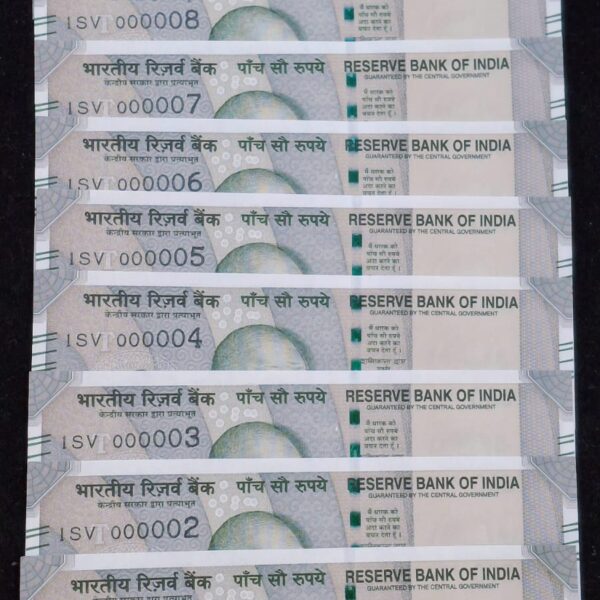
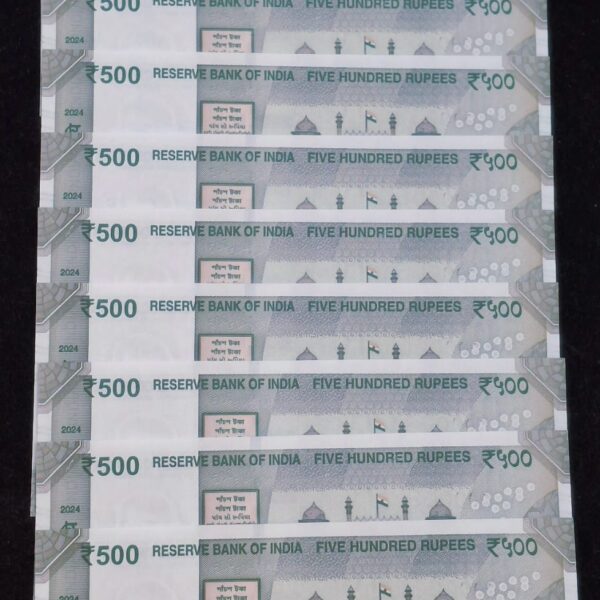
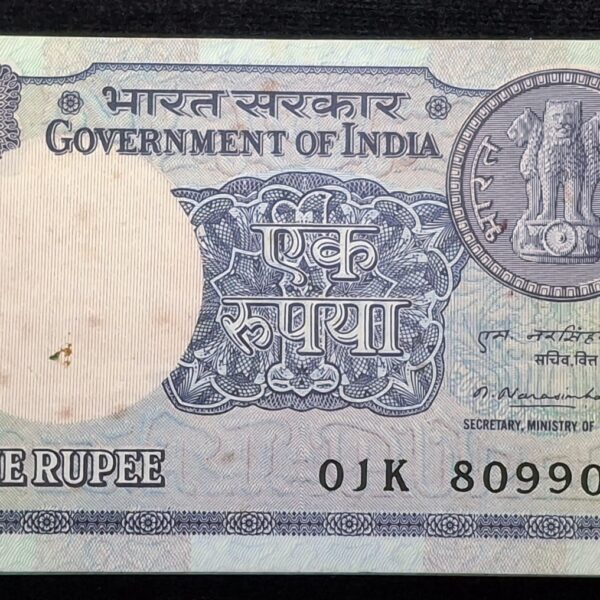
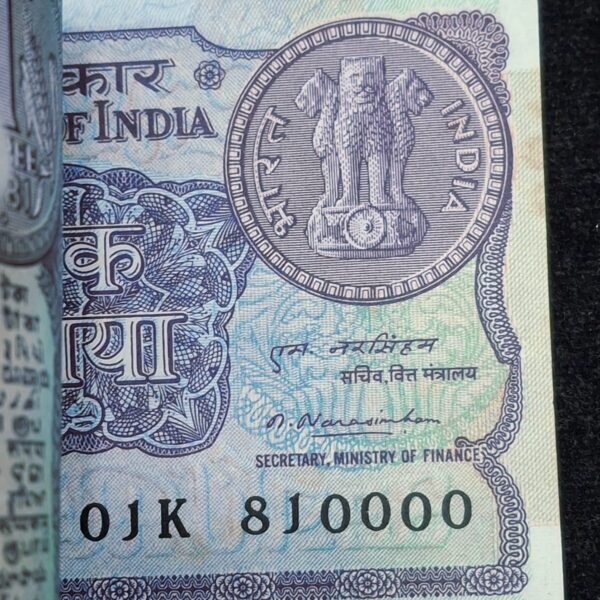
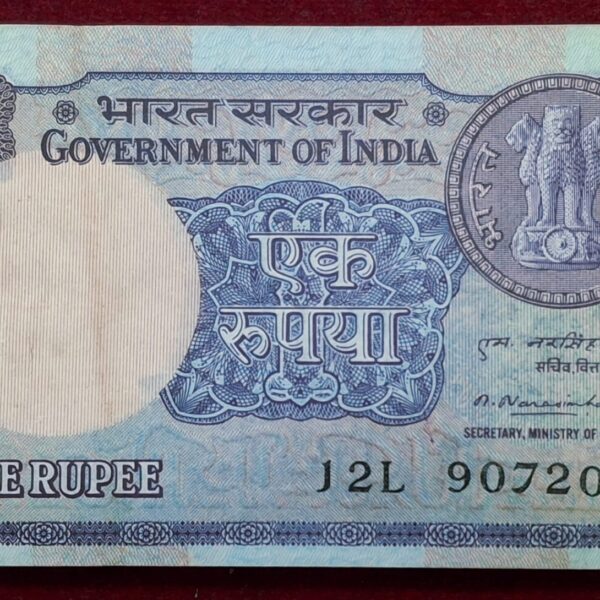
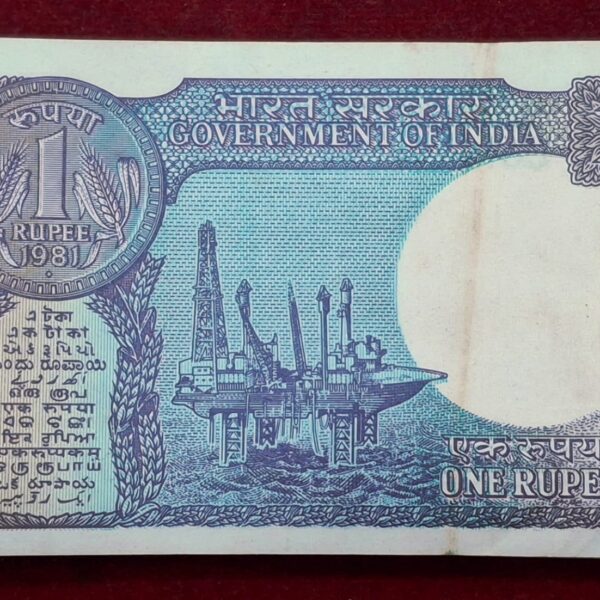
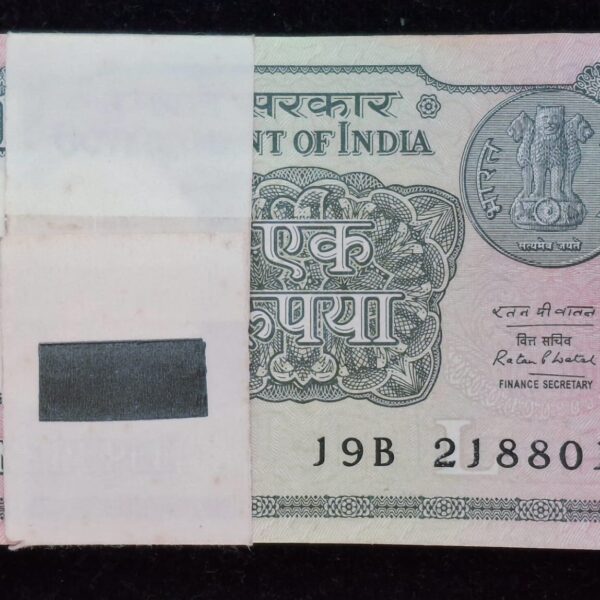
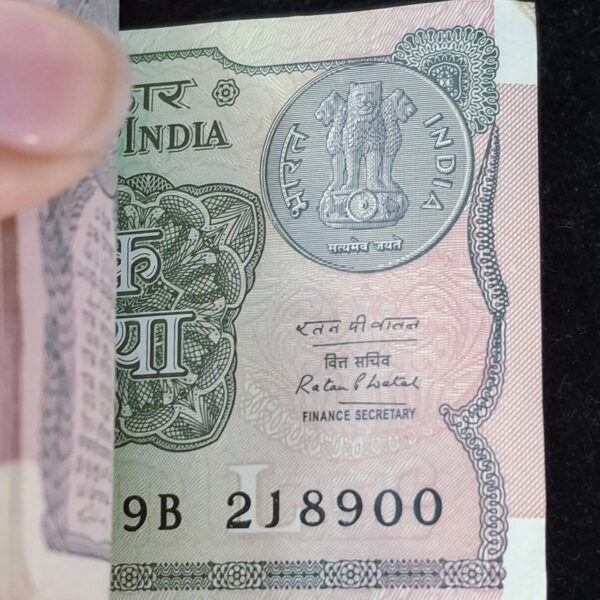
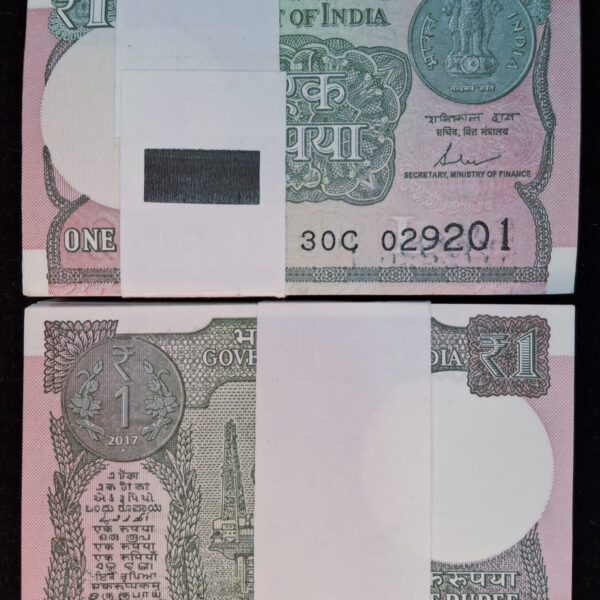
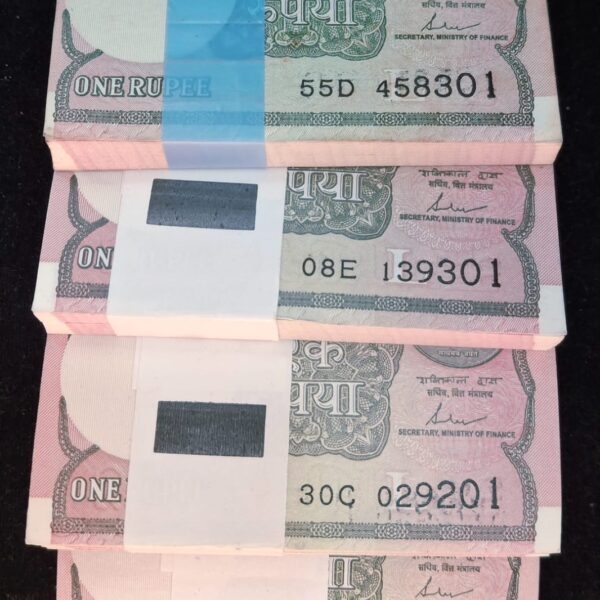
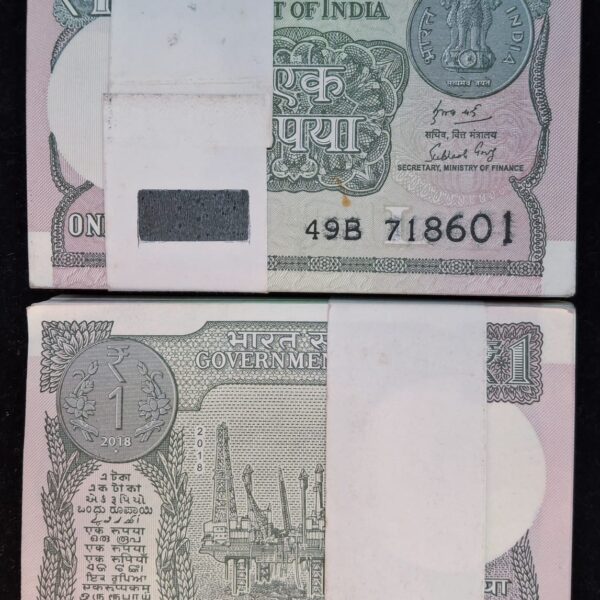
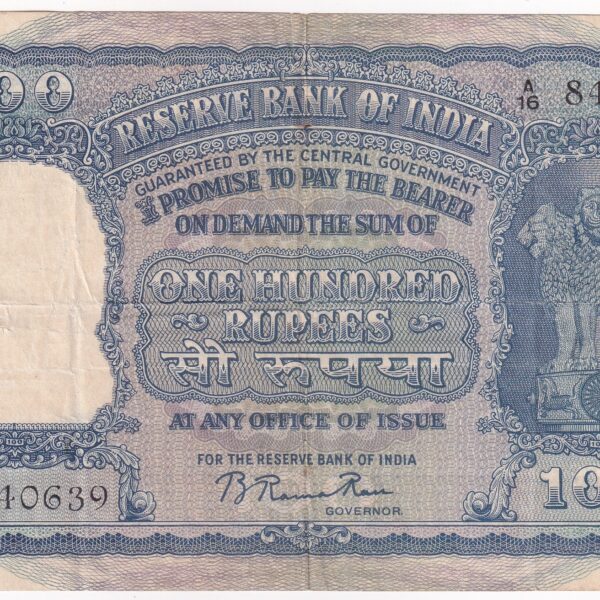
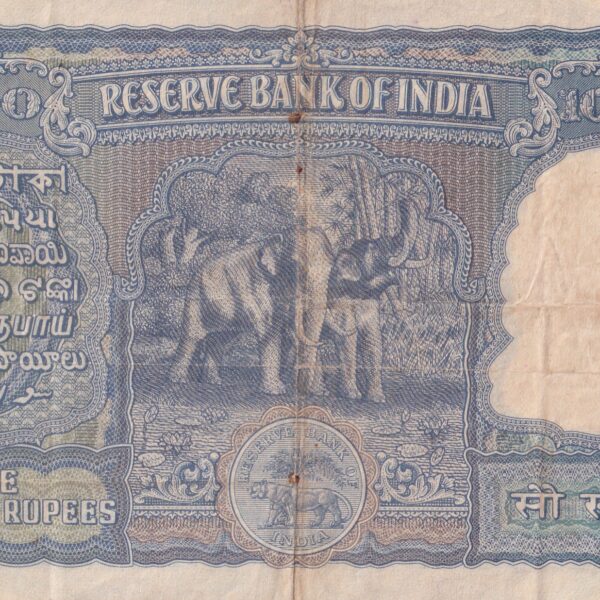
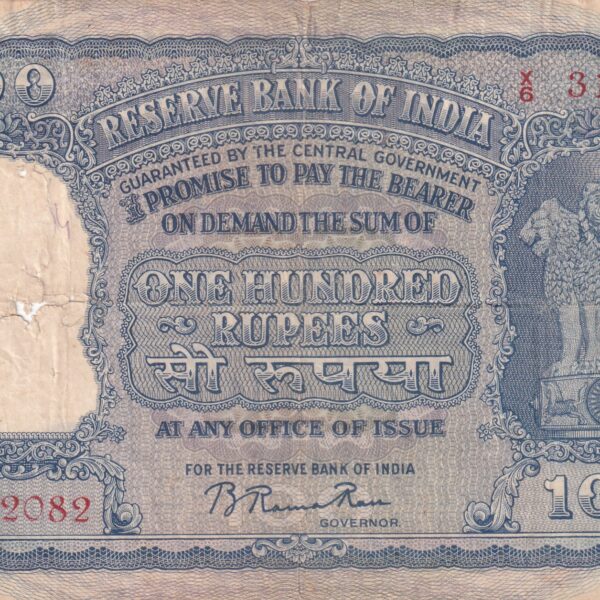
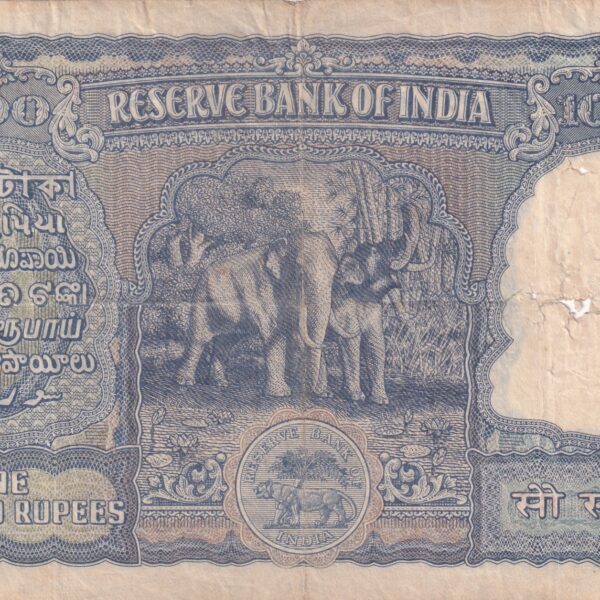
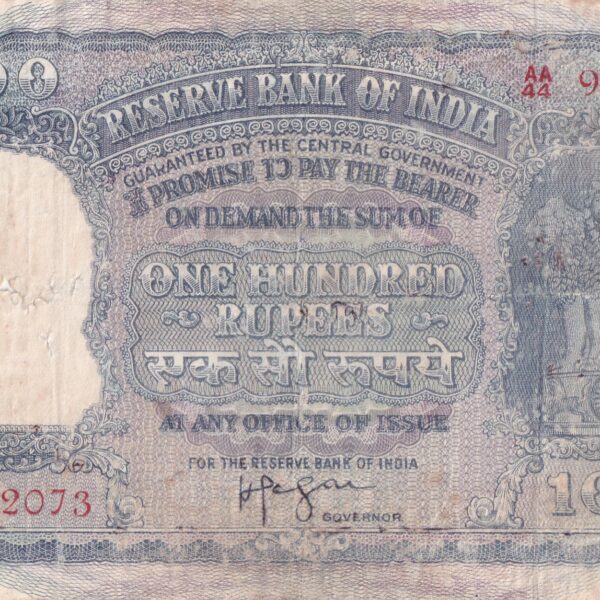
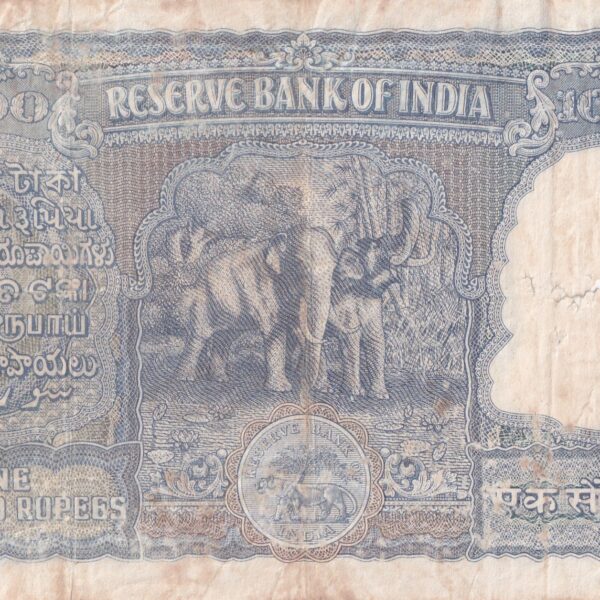
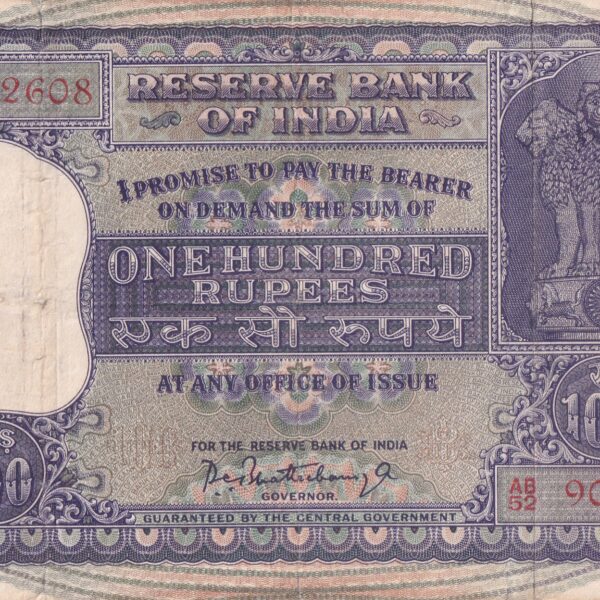
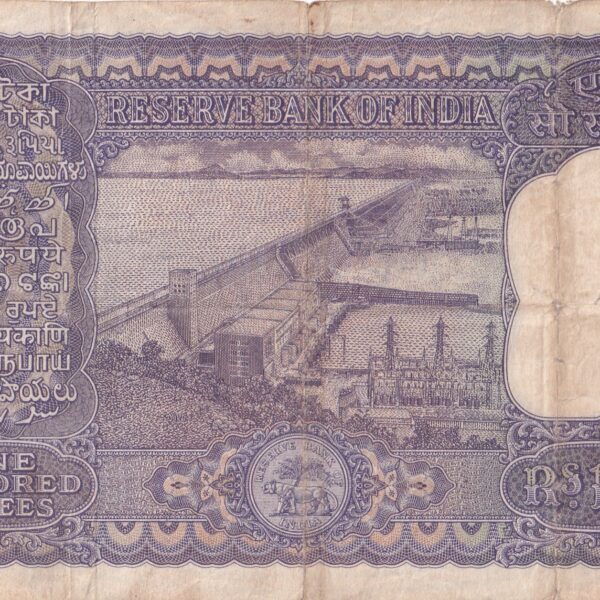
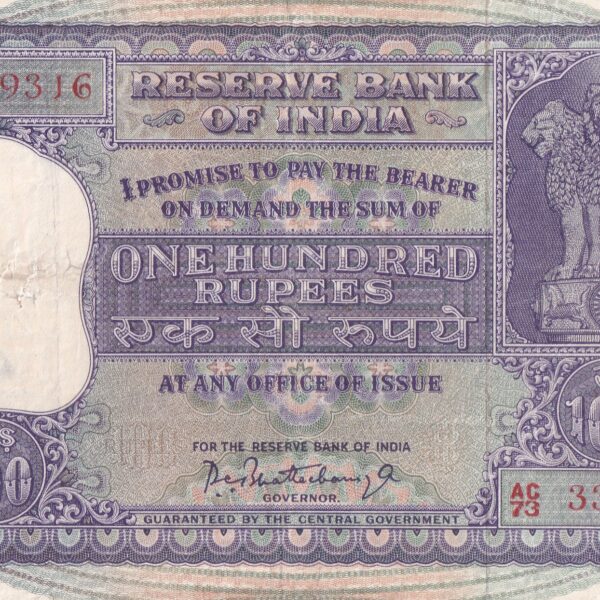
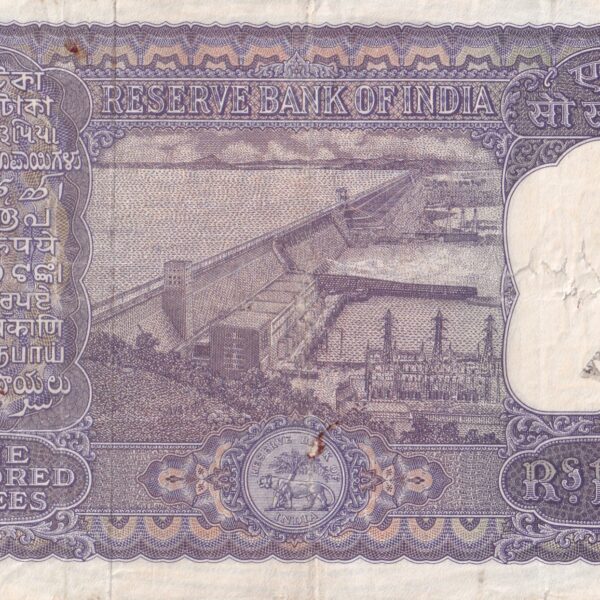
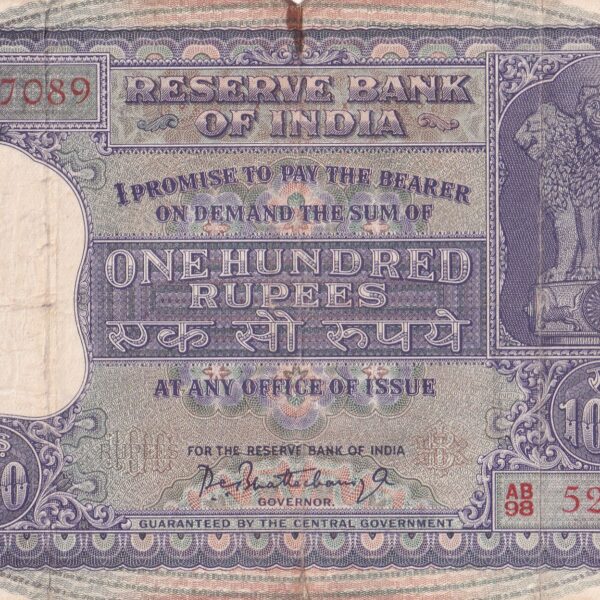
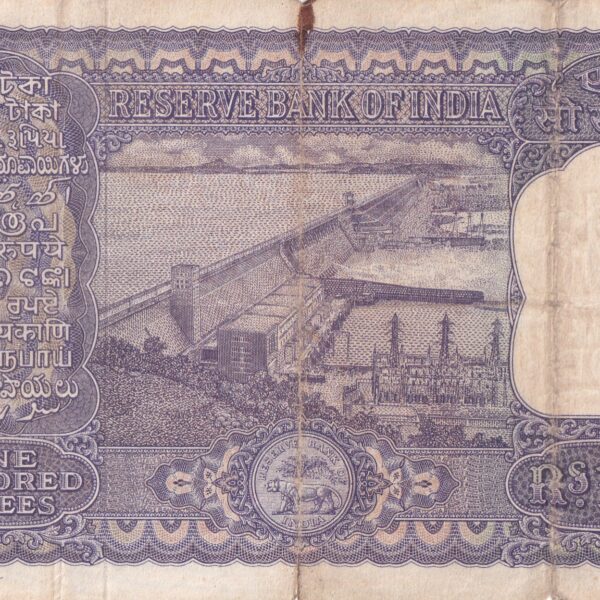
Welcome to India's most comprehensive collection of Republic India notes—specialized currency specimens documenting India's monetary evolution since becoming a sovereign republic on January 26, 1950. Our authenticated inventory celebrates the emergence of India as a republic through currency that reflects independent India's economic development, design evolution, and numismatic milestones.
Understanding Republic India Currency
Republic India notes specifically refer to currency issued after India adopted its constitution and became a republic on January 26, 1950. This distinguishes them from British India notes (pre-1947) and transitional Dominion of India notes (1947-1950). The transition to republic status brought new currency designs featuring the Ashoka Pillar emblem, "Republic of India" inscriptions, and elimination of British monarchy references.
For collectors, understanding the significance of Republic Day of India helps appreciate these notes' historical context. January 26, 1950, marked India's transformation from dominion to republic, necessitating new currency reflecting sovereign identity. Early notes of India after republic featured traditional motifs, regional languages, and symbols of Indian heritage—a stark departure from colonial-era designs.
Rare Republic India Notes Collection
Our inventory specializes in rare Republic India notes that command premium prices due to scarcity, historical significance, or unique characteristics. Categories include:
Early Republic Issues (1950s-1960s): First currency series after republic declaration, featuring historic governor signatures and original design elements. These foundational rare notes of Republic India represent the beginning of independent Indian numismatics.
Signature Varieties: Sought-after notes like the Republic India 10 rupee 2 peacock M Narsimham signature note exemplify signature collecting—a specialized niche where specific governor/secretary combinations command premiums. Different signature pairings, printing years, and design variations create extensive collecting possibilities.
Star Notes: Republic India star marka notes feature replacement serial numbers marked with star symbols (★). These notes replaced defective specimens during printing, making them significantly rarer than standard issues. Collectors actively seek Republic India star notes from all denominations and periods.
Low Serial Numbers: Notes with serials like 000001-000100 represent pinnacle rarities in rare Republic India note with price categories, often selling for multiples of face value.
Error Notes: Printing errors, misalignments, and other anomalies in notes of India after republic create valuable collecting opportunities for error currency specialists.
Republic India Coins and Bank Notes
While our primary focus remains paper currency, understanding Republic India coins and bank notes provides collecting context. Complete republic-era collections often combine currency notes with commemorative coins, proof sets, and special issues. The Republic India notes coin proof set offerings appeal to collectors seeking comprehensive republic-era numismatic specimens across both mediums.
Many numismatists pursue parallel collections—both Republic India coins and notes—to document complete monetary systems across decades. This holistic approach captures the full scope of independent India's numismatic heritage.
Valuation and Market Pricing
Determining rare Republic India note with price requires expertise in multiple factors: printing year, signature combination, serial number characteristics, condition grade, and market demand. Our transparent pricing reflects current market conditions for various rare Republic India notes categories.
Valuable one re Republic India notes might seem contradictory—how can one rupee notes be valuable? Specific varieties with rare signatures, star markings, or exceptional conditions command significant premiums. First-year republic one rupee notes or star-marked specimens can sell for hundreds or thousands of rupees despite their face value.
Building Your Republic Collection
Collecting Republic India notes offers remarkable scope—seven decades of issues provide endless specialization possibilities. Collectors might focus on specific decades, particular denominations, signature varieties, or thematic collections (agriculture, science, cultural heritage depicted on notes).
Beginning collectors often start with affordable circulated specimens from recent decades, progressing toward scarce early republic issues as expertise develops. Advanced collectors pursue condition rarities—gem uncirculated specimens of common notes that achieve premium status through exceptional preservation.
Authentication and Expertise
Each Republic India note in our inventory undergoes rigorous authentication. We verify genuine RBI printing, appropriate security features for the period, and legitimate signature combinations. This expertise protects collectors from counterfeits and ensures investment security.
Whether you're commemorating Republic Day of India through currency collecting, building comprehensive republic-era sets, or pursuing specific rarities, our authenticated Republic India notes collection offers exceptional specimens documenting India's journey as an independent republic through its currency heritage.
FAQs for Republic India Notes Category
1. What are Republic India notes in currency collecting?
Republic India notes are currency issued by the Reserve Bank of India after January 26, 1950, when India officially became a republic. These notes are distinguished from British India notes (pre-1947) and Dominion of India transitional notes (1947-1950). Republic India notes feature the Ashoka Pillar emblem, "Republic of India" text, and designs reflecting independent India's identity. Collectors value these notes for documenting India's post-independence monetary evolution, featuring over seven decades of design changes, signature varieties, and commemorative issues.
2. Why is January 26, 1950 significant for Indian currency collecting?
January 26, 1950—Republic Day of India—marks when India's constitution came into effect and the country became a sovereign republic. This transition necessitated new currency designs eliminating British colonial references and establishing distinctly Indian numismatic identity. Notes issued after this date are classified as Republic India notes, featuring the Ashoka emblem and republican design elements. Understanding the emergence of India as a republic helps collectors appreciate the historical significance of notes issued in this transformative period, making early republic specimens particularly collectible.
3. What makes certain Republic India notes rare and valuable?
Rare Republic India notes achieve premium status through several factors: (1) Early issue dates (1950s-1960s specimens), (2) Specific governor signature combinations like M. Narasimham varieties, (3) Star replacement notes marked with ★ symbols, (4) Low serial numbers (000001-000100), (5) Printing errors and varieties, (6) Exceptional uncirculated condition of older notes, (7) Discontinued denominations. A rare Republic India note with price transparency shows some specimens selling for 10-1000x face value depending on these rarity factors.
4. What are Republic India star notes and why are they valuable?
Republic India star marka notes (star notes) are replacement notes printed to substitute defective specimens removed from production runs. These notes feature star symbols (★) in their serial numbers, making them immediately identifiable. Star notes are significantly rarer than standard issues because only small quantities were printed to replace detected errors. Collectors actively seek Republic India star notes from all denominations and periods, with some star-marked specimens commanding 5-50 times the value of equivalent non-star notes.
5. Are early one rupee Republic India notes valuable?
Yes, valuable one re Republic India notes exist despite their low face value. First-year republic one rupee notes (early 1950s), notes with rare signature combinations, star-marked specimens, low serial numbers, or exceptional uncirculated condition can sell for hundreds to thousands of rupees. The value derives from historical significance, rarity, and collector demand—not face value. Notes documenting the emergence of India as a republic hold premium status regardless of denomination, especially in mint condition.
6. What is a Republic India 10 rupee 2 peacock note worth?
The Republic India 10 rupee 2 peacock M Narsimham signature note refers to a specific variety featuring two peacocks in the design with M. Narasimham's signature as RBI Governor or Secretary. Value depends on condition, printing year, and serial number characteristics. Circulated examples might sell for ₹50-200, while uncirculated specimens or those with interesting serials can command ₹500-2,000+. Signature varieties like Narasimham combinations are actively collected, creating specialized market segments with dedicated collector demand.
7. How do Republic India notes differ from British India notes?
Republic India notes (post-1950) feature the Ashoka Pillar emblem, "Republic of India" text in multiple languages, and designs celebrating Indian culture and achievements. British India notes (pre-1947) displayed British monarchs, colonial authorities' signatures, and imperial design elements. Transitional notes of India after republic declaration show evolution from colonial to republican designs. Republic notes eliminated all British references, established the rupee as independent India's currency, and introduced security features reflecting modern Indian printing capabilities.
8. Can I collect both Republic India coins and bank notes together?
Absolutely! Many numismatists collect both Republic India coins and bank notes to build comprehensive republic-era collections. The Republic India notes coin proof set offerings combine currency notes with commemorative coins, providing complete monetary documentation across mediums. This approach captures full numismatic scope—paper currency evolution alongside coinage development. Some collectors focus on specific years or events, acquiring both coins and notes issued during significant anniversaries or commemorations, creating thematically unified collections.
9. Where can I find Republic India star notes for sale?
Republic India star notes appear in specialized numismatic markets, auction houses, and dealer inventories like ours. While Republic India star notes from eBay and other online marketplaces exist, authentication is crucial as counterfeits occur. We stock authenticated star-marked notes across various denominations with verified provenance. Star notes' rarity means they appear less frequently than standard notes, requiring patience and market monitoring. Serious collectors often work with established dealers who can source specific star note varieties matching collection needs.
10. How should I start collecting Republic India notes?
Begin with recent decades' common denominations in circulated condition to learn grading standards and design variations affordably. Progress to older issues, signature varieties, and better conditions as expertise develops. Focus areas might include: (1) Signature combinations from different governors, (2) Specific denominations across decades, (3) Star notes and errors, (4) Early republic issues (1950s-1960s), (5) Notes commemorating Republic Day of India milestones. We provide guidance helping collectors develop focused strategies matching budgets and interests while building meaningful rare Republic India notes collections.