

British India Coins
Explore our premium collection of British India coins featuring authentic specimens from 1835 to 1947. Our curated inventory includes rare British India coins, British India silver coins, and British India gold coins with detailed provenance and authentication. Whether you’re seeking British India one rupee silver coin specimens, British East India Company coins, or rare mint mark varieties, we offer competitive pricing and comprehensive documentation. Browse coins of British India with verified British India coins value assessments, including sought-after error coins, mule coins, and historic pieces like the 1818 British India coin and 1939 British India coin. Perfect for serious numismatists, our British India coins for sale come with expert grading, clear images, and detailed historical context. From common circulation pieces to the most expensive coin of British India, discover authenticated specimens that capture the colonial era’s rich numismatic heritage.
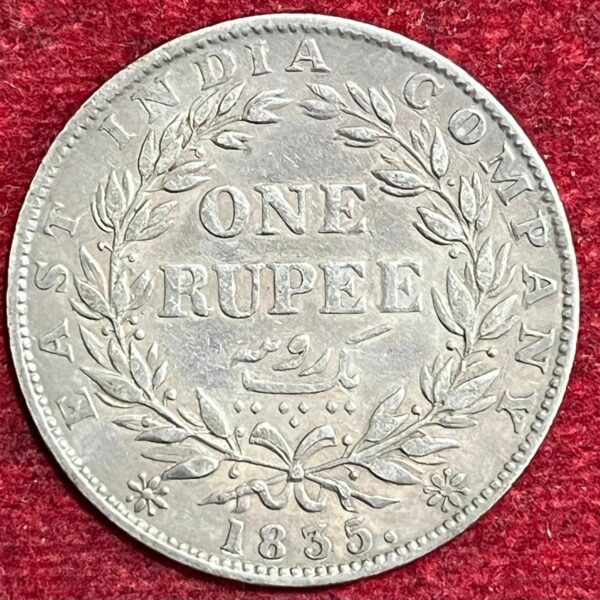
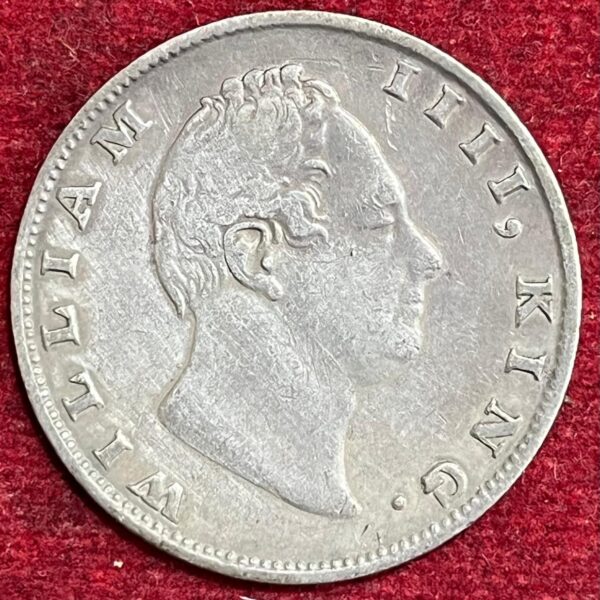
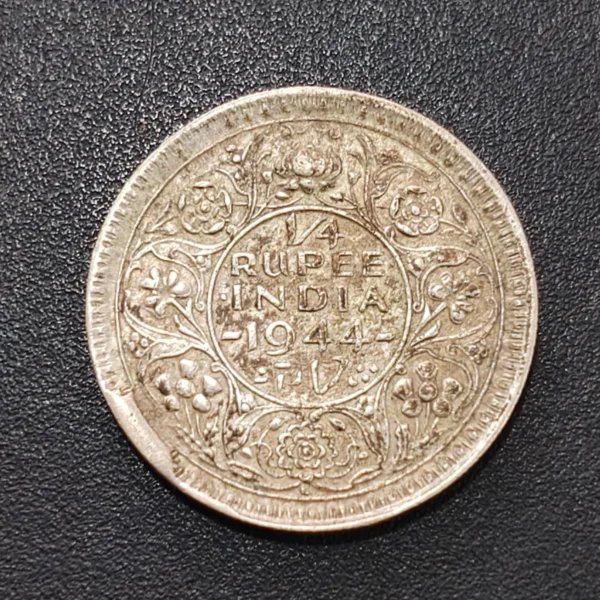
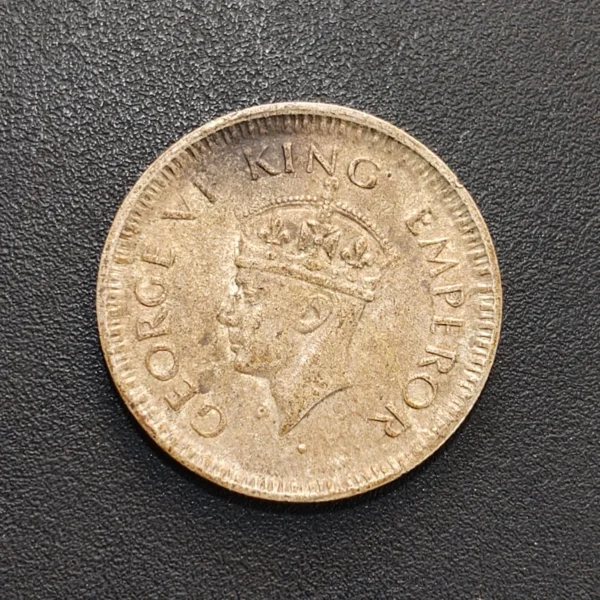
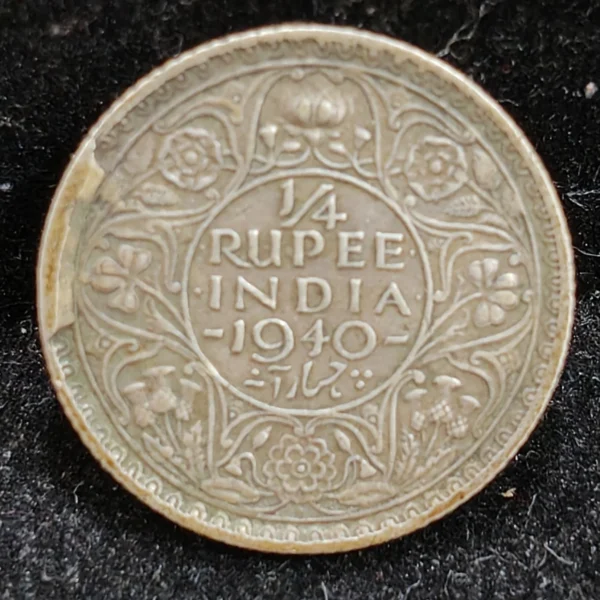
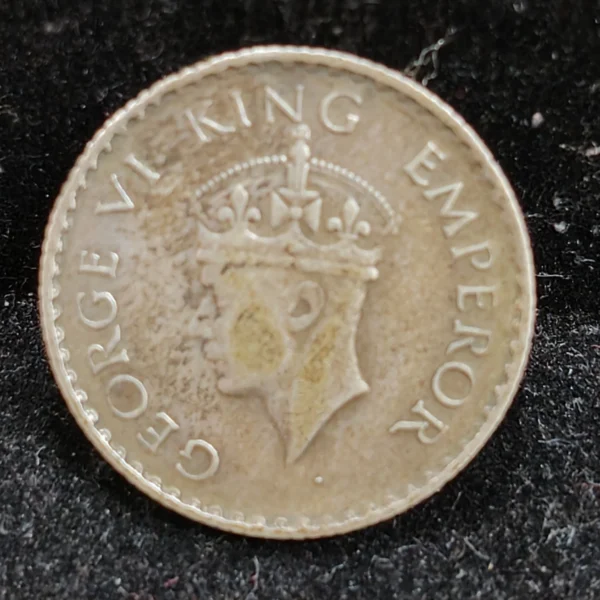
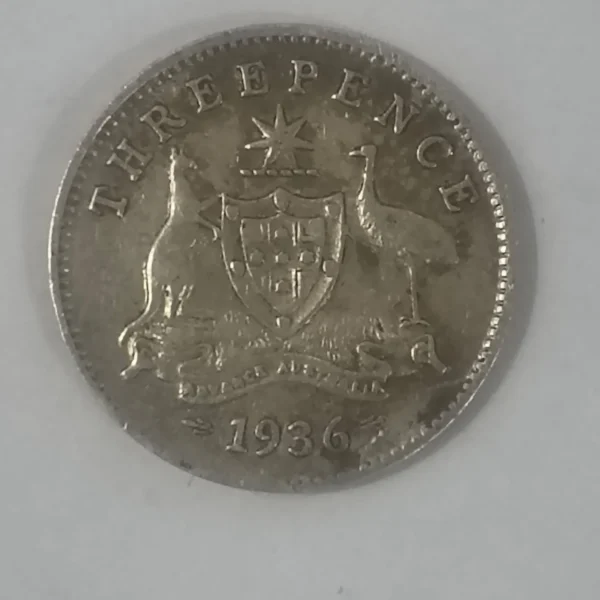
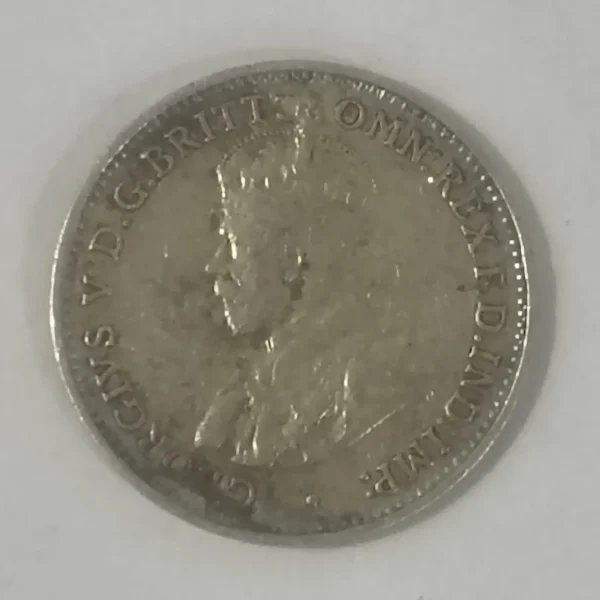
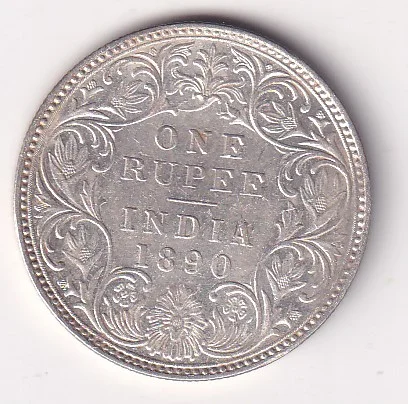
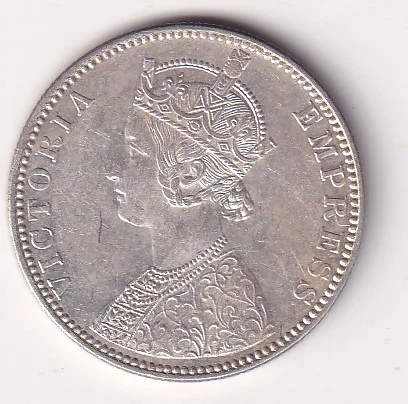
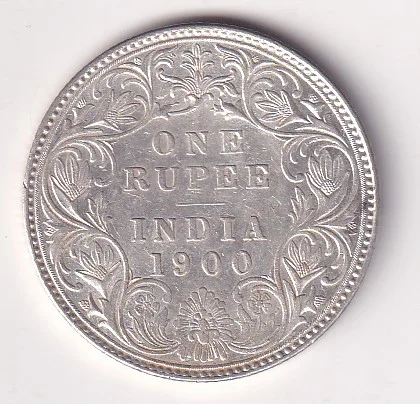
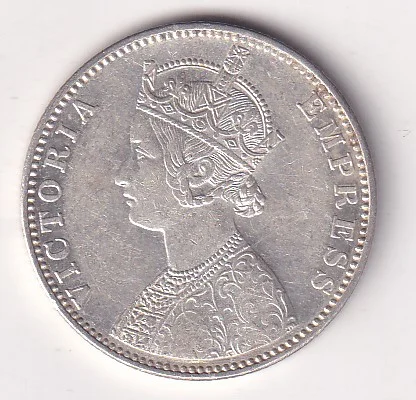
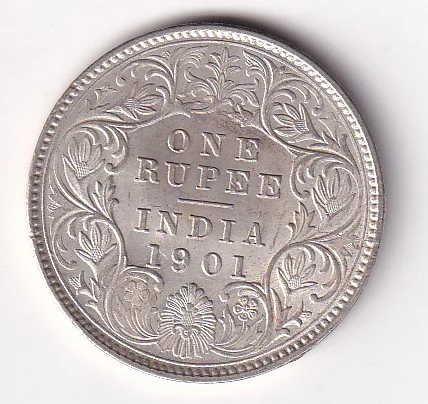
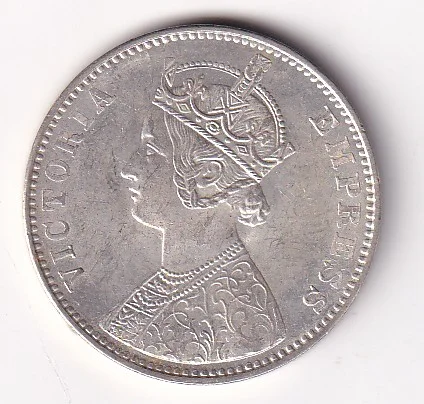
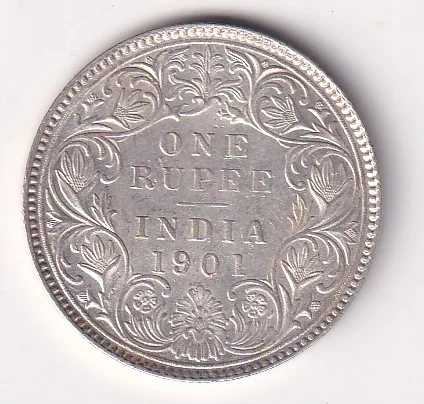
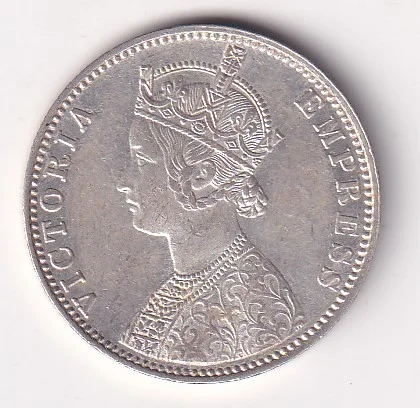
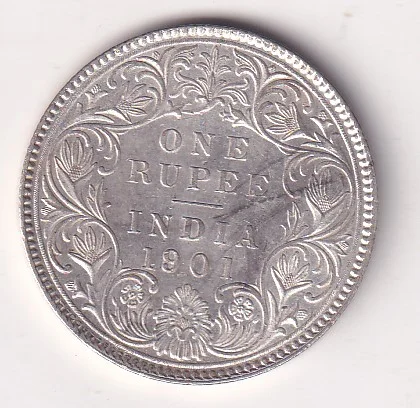
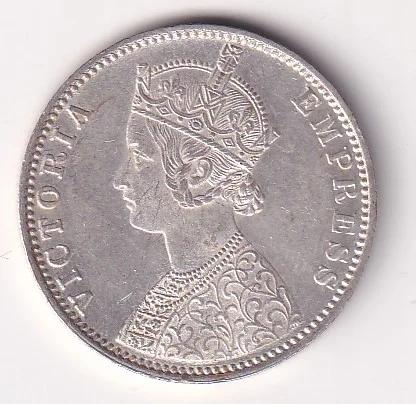
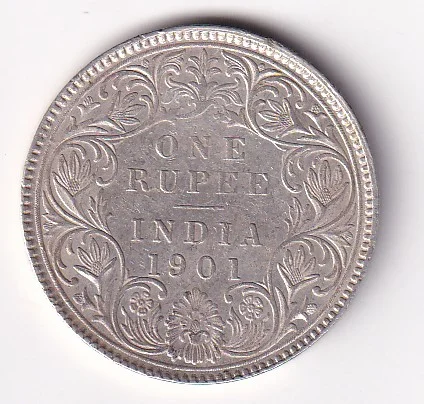
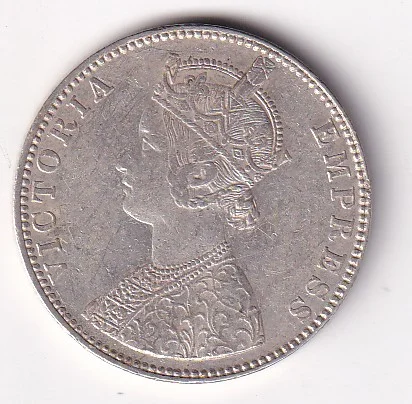
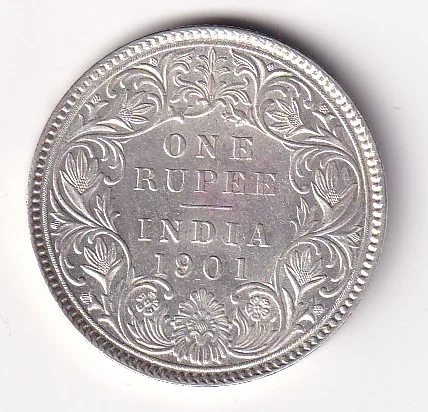
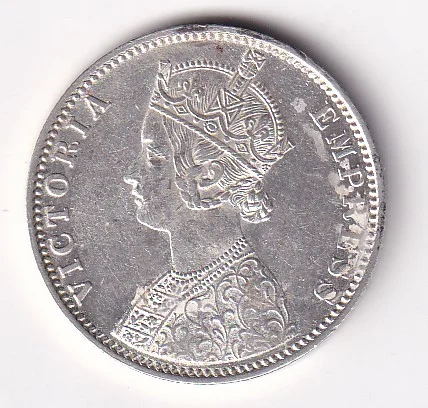
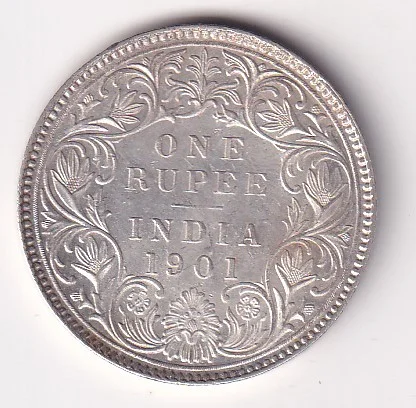
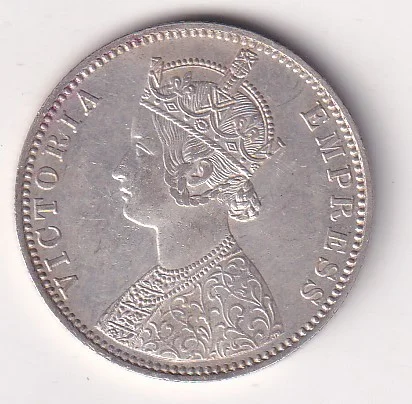
Discover Authentic British India Coins for Your Collection
Welcome to our comprehensive marketplace for British India coins, where colonial history meets serious numismatics. Our extensive collection spans over a century of British rule in India (1835-1947), featuring authentic coins of British India from various mints, denominations, and periods. Each piece represents not just currency, but a tangible artifact from one of history's most significant colonial periods.
Comprehensive British India Coins Collection
Our inventory includes everything from common circulation pieces to rare British India coins that command premium prices at international auctions. We specialize in British India silver coins including the iconic one rupee, half rupee, quarter rupee, and two annas denominations. The British India one rupee silver coin value varies significantly based on year, mint mark, and condition—our experts provide detailed assessments for each specimen.
For collectors seeking precious metal investments, we offer British India gold coins including sovereigns, mohurs, and British sovereign gold coins price in India with current market valuations. Our British India copper coins collection features quarter annas, half pice, and pice denominations spanning multiple monarchs from William IV through George VI.
British East India Company Coins - The Foundation of Indian Numismatics
The first British coin in India dates to the British East India Company era. Our selection of British East India Company coins includes rare specimens from Bombay, Calcutta, and Madras presidencies. Understanding British East India company coins value requires expertise in die varieties, mint marks, and historical context—resources we provide with every listing. These earlier pieces, including the historic 1818 British India coin, represent the foundation of British Indian numismatics and are highly sought by serious collectors.
Rare Varieties and Error Coins
Numismatists seeking exceptional pieces will appreciate our selection of British India error coins and mule coins of British India. These manufacturing anomalies include wrong planchet errors, die clashes, and mismatched obverse-reverse combinations. We also feature rare silver coins of British India including proof specimens, pattern coins, and low-mintage years. The most valuable British India coins in our collection include 1862 proof sets, 1835 William IV rupees, and rare mint mark combinations.
Understanding British India coins mint marks is crucial for collectors. Our detailed listings identify Bombay (no mark or dot), Calcutta (no mark), Madras (no mark), and later period marks including "B" for Bombay and "C" for Calcutta, helping you build a comprehensive mint mark collection.
Resources, Pricing, and Authentication
Serious collectors need reliable references. While we recommend published resources like the British India coins book by Pridmore and coins of British India book by various authors, our listings provide comprehensive details drawn from authoritative sources. We also offer guidance on accessing British India coins catalogue pdf and British India coins book pdf resources for research purposes.
Wondering about pricing? Our British India coins price list pdf download provides current market values across all denominations and periods. Individual listings include detailed British India coins price analysis, British silver coin price in India comparisons, and historical auction results. For specific pieces like the 1939 British India coin price or one rupee coins of British India valuations, we provide transparent pricing based on condition, rarity, and market trends.
We regularly participate in British India coin auction events and monitor platforms like Chiefa coins British India, Numista British India coins, and eBay British India coins to ensure competitive pricing. Whether you want to sell British India coins or add to your collection, we provide fair market assessments.
Authentication and Buying with Confidence
Concerned about counterfeits? Our guide on how to identify fake British India coins covers weight verification, edge reeding examination, die characteristic analysis, and patina assessment. Every coin undergoes professional authentication, with detailed photographs showing key diagnostic features.
Our inventory serves both beginning collectors seeking common coins during British rule India and advanced numismatists pursuing the most expensive coin of British India. We welcome British India coin buyers at all levels, offering educational resources, transparent pricing, and authenticated specimens.
Explore our complete British India coins list featuring denominations from pice to mohurs, spanning William IV, Victoria, Edward VII, George V, and George VI. Whether building a type set of old coin British India specimens or seeking specific British India 1 rupee coin varieties, our collection offers authenticated pieces with comprehensive documentation.
Start your British India numismatic journey today with coins that tell the story of colonial commerce, imperial politics, and India's path to independence.
FREQUENTLY ASKED QUESTIONS (FAQs)
What are British India coins and what period do they cover?
British India coins are currency pieces issued during British rule in India, spanning from 1835 (when uniform coinage was introduced) to 1947 (independence). The series includes coins from the British East India Company period (pre-1858) and British Crown rule (1858-1947). These coins feature British monarchs including William IV, Queen Victoria, Edward VII, George V, and George VI. Denominations ranged from 1/12 anna (pie) to gold mohurs and sovereigns. Coins during British India were minted at Bombay, Calcutta, and Madras facilities, each with distinct mint marks that collectors use to categorize specimens.
How can I determine the British India coins value for my collection?
British India coins value depends on several factors: year of issue (certain years have lower mintages), mint mark (Bombay, Calcutta, or Madras), condition/grade (from poor to uncirculated), metal content (gold, silver, copper), denomination, and rarity. A British India one rupee silver coin value can range from ₹100 for common worn pieces to ₹50,000+ for rare dates in mint state. Consult a British India coins price list PDF from reputable dealers, reference the Pridmore catalogue, check recent British India coin auction results, or have pieces professionally graded. Silver content alone provides baseline value for British India silver coins.
What are the most valuable British India coins and rare specimens to look for?
The most valuable British India coins include: 1835 William IV rupees (first uniform coinage year), 1862 proof sets in original packaging, 1877 Victoria Empress rupees in high grade, pattern coins and trial strikes, British India error coins (wrong planchet, die clashes), mule coins of British India (mismatched dies), and low-mintage years like certain 1840s issues. The most expensive coin of British India specimens can exceed ₹10 lakhs at auction. Rare British India coins also include gold mohurs from any period, British East India Company coins from pre-1835, and coins with full original mint luster in MS65+ condition.
Where can I find British India coins for sale and how do I verify authenticity?
British India coins for sale are available through specialized numismatic dealers, British India coin auction houses, online platforms like eBay British India coins sections, Chiefa coins British India marketplace, and collector forums. To verify authenticity and identify fake British India coins: check weight precisely (genuine silver rupees weigh 11.66g), examine edge reeding (should be uniform and crisp), study die characteristics against reference images in British India coins catalogue PDF resources, verify patina appears natural (not artificially added), and use a magnet test (silver/gold/copper won't stick). Reputable sellers provide guarantees and accept third-party authentication.
What mint marks appear on British India coins and why do they matter?
British India coins mint marks help identify where coins were struck, affecting rarity and value. Early coins (1835-1939) used subtle marks: Bombay had no mark or a small dot below the date, Calcutta had no mark, and Madras had no distinguishing mark—making attribution difficult. From 1939 onward, clearer marks appeared: "B" for Bombay (now Mumbai), "C" for Calcutta (now Kolkata), diamond mark for Bombay on some issues, and no mark for Lahore (rare). Certain mint marks are scarcer for specific years, significantly affecting British India coins price. Collectors often pursue complete mint mark sets for popular denominations.
Are British India silver coins a good investment compared to gold coins?
Both British India silver coins and gold coins offer investment potential but serve different purposes. British India silver coins for sale provide affordable entry points (₹500-₹50,000) with numismatic premiums above silver content, making them ideal for collectors who also want intrinsic metal value. The British India one rupee silver coin value includes both historical premium and silver weight (typically 0.375 troy oz). British India gold coins, including sovereigns and mohurs, command higher prices (₹50,000-₹5 lakhs+) but track gold prices more closely. British sovereign gold coins price in India fluctuates with global gold markets. For pure investment, gold coins offer better liquidity; for numismatic appreciation potential, rare silver coins often outperform.
What makes British East India Company coins different from later British India coins?
British East India Company coins (pre-1858) differ significantly from later Crown-issued pieces. Early company coins feature "East India Company" text rather than royal portraits, show regional variations from Bombay, Calcutta, and Madras presidencies with distinct designs, use different denominations (pagodas, fanams, arcot rupees), and have irregular minting standards. The first British coin in India from the Company period (1600s-1850s) shows tremendous variety. British East India company coins value is generally higher due to greater rarity and historical significance. After the 1857 rebellion, the British Crown assumed direct control, standardizing coinage with royal portraits and unified designs—making post-1858 coins more consistent and easier to collect systematically.
How can I build a complete collection of British India one rupee coins?
Building a complete one rupee coins of British India collection requires systematic acquisition across monarchs and years. Start with common dates from George V and George VI eras (₹500-₹2,000 each) to learn grading standards. Progress to Victorian rupees (1840-1901) which vary widely in availability. Target key dates including 1835 (first year), 1877 (Victoria Empress), and low-mintage years from each decade. Pursue all mint marks (Bombay, Calcutta, Madras) for completeness. Budget for challenging pieces like William IV rupees (1835-1837) and proof specimens. Use the British India coins list and catalogue resources to track progress. A complete circulated collection might cost ₹1-2 lakhs; uncirculated specimens significantly more.
What are mule coins and error coins of British India, and are they valuable?
Mule coins of British India occur when obverse and reverse dies from different years, denominations, or designs are mistakenly paired during minting—creating unique error pieces highly prized by collectors. British India error coins also include: off-center strikes, double strikes, wrong planchet errors (silver design on copper blank), die cracks and clashes, and rotated dies. These manufacturing mistakes are rare because most were caught during quality control. Values range from moderate premiums (₹5,000-₹20,000) for minor errors to substantial sums (₹50,000+) for dramatic mule coins or major errors. Documentation in numismatic literature significantly increases value, as does certification by grading services.
Where can I sell British India coins and what documentation do I need?
To sell British India coins successfully, approach: specialized numismatic dealers who are British India coin buyers, auction houses conducting British India coin auction events, online marketplaces (eBay, OLX with proper listings), collector forums and numismatic societies, or direct to serious collectors through networking. Essential documentation includes: clear photographs of obverse, reverse, and edge, weight measurement verification, diameter and thickness specifications, mint mark identification, grade assessment (consider professional grading for valuable pieces), provenance history if available, and reference to British India coins catalogue for identification. Rare silver coins of British India and gold coins warrant professional authentication. Realistic pricing based on British India coins price guides and recent auction results ensures faster sales. Expect dealers to offer 60-80% of retail value for immediate purchase.